Neighbor News
Falmouth Wind Turbine Experiment -Now Artificial Turf Experiment
Synthetic turf, an infill of rubber crumb or virgin rubber, it contains compounds such as polycyclic aromatic hydrocarbons - heavy metals
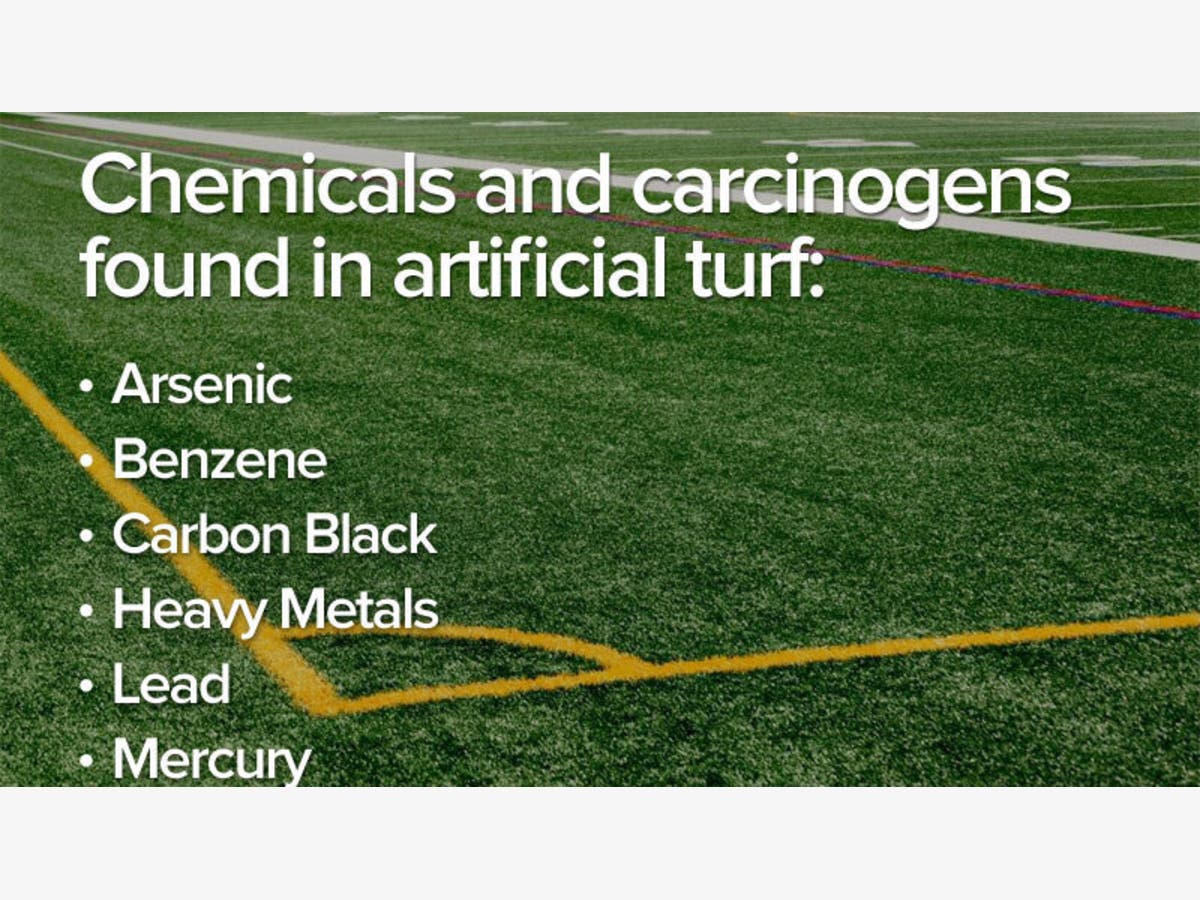
Falmouth Massachusetts is proposing artificial turf . There is NO widely accepted, peer-reviewed scientific study that demonstrates EPDM (ethylene propylene diene monomer) rubber pellets are safe.
Next is an article from Europe :
Artificial Turf: Contested Terrains for Precautionary Public Health with Particular Reference to Europe?
Find out what's happening in Falmouthfor free with the latest updates from Patch.
Source : Andrew Watterson
Occupational and Environmental Health Research Group, Centre for Public Health and Population Health
Research, University of Stirling, Scotland FK9 4LA, UK; aew1@stir.ac.uk; Tel.: +44-017-8646-6283
Academic Editor: Assaf A. Abdelghani
Received: 4 July 2017; Accepted: 7 September 2017; Published: 12 September 2017
Find out what's happening in Falmouthfor free with the latest updates from Patch.
Abstract: Millions of adults, children and teenagers use artificial sports pitches and playgrounds globally. Pitches are artificial grass and bases may be made up of crumb rubber from recycled tires or new rubber and sand. Player injury on pitches was a major concern. Now, debates about health focus on possible exposure and uptake of chemicals within pitch and base materials. Research has looked at potential risks to users from hazardous substances such as metals, volatile organic compounds, polycyclic aromatic hydrocarbons including benzo (a) (e) pyrenes and phthalates: some are carcinogens and others may be endocrine disruptors and have developmental reproductive effects. Small environmental monitoring and modelling studies, often with significant data gaps about exposure, range of substances monitored, occupational exposures, types of surfaces monitored and study length across seasons, indicated little risk to sports people and children but some risk to installation workers. A few, again often small, studies indicated potentially harmful human effects relating to skin, respiration and cancers. Only one widely cited biomonitoring study has
been done and no rigorous cancer epidemiological studies exist. Unravelling exposures and uptake over decades may prove complex. European regulators have strengthened controls over crumb rubber chemicals, set different standards for toys and crumb rubber pitches. Bigger US studies now
underway attempting to fill some of the data gaps will report between 2017 and 2019. Public health professionals in the meantime may draw on established principles to support greater caution in setting crumb rubber exposure limits and controls.
www.mdpi.com/1660-4601/14/9/10...
by A Watterson - 2017 - Cited by 1 - Related articles