Arts & Entertainment
MA Nonprofit Broke Law By Firing Staffer Who Opposed Autism Discrimination: Lawsuit
A former employee sued the art center last week, claiming she was discharged because she tried to uphold legal guarantees of equal access.


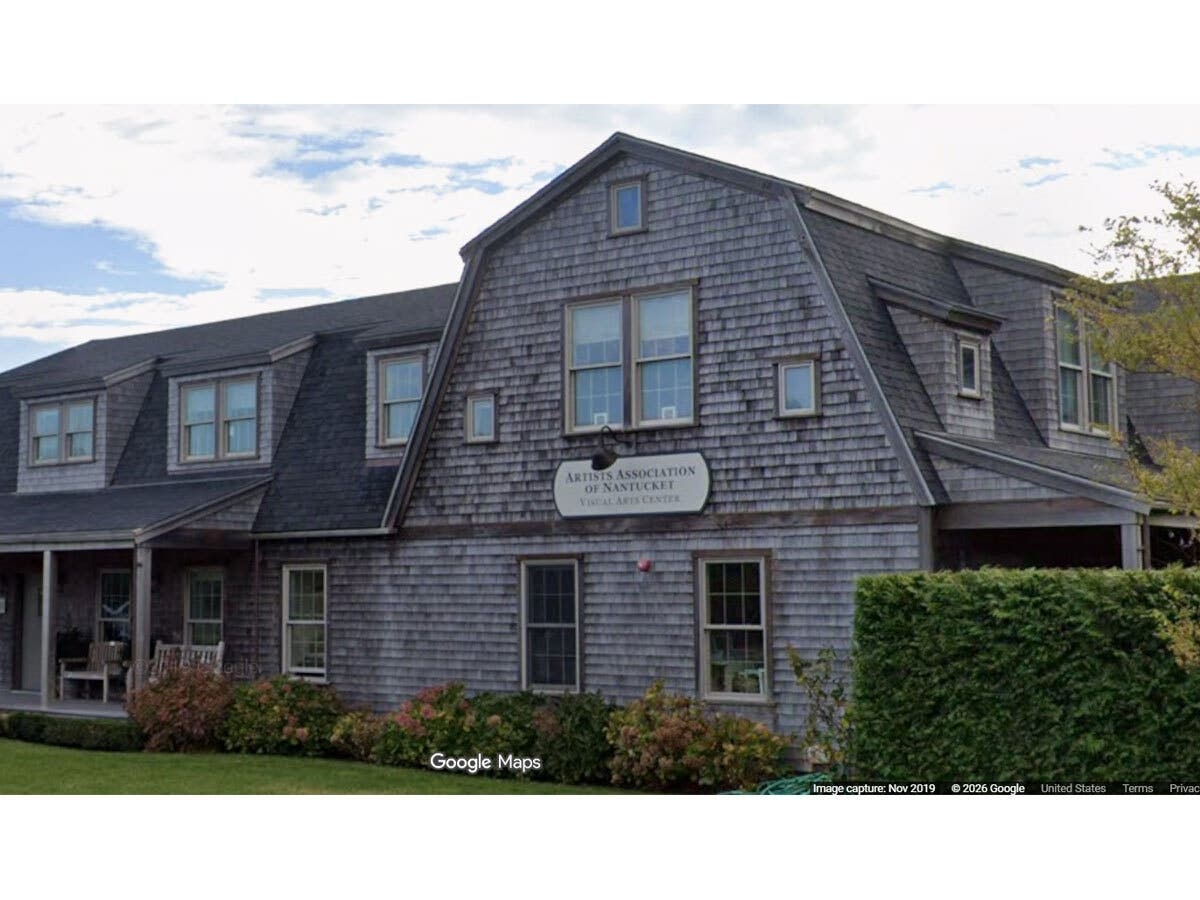
NANTUCKET, MA — A lawsuit filed May 22 claims a fixture of the Cape and Islands art scene, the Artists Association of Nantucket, fired an employee – illegally – because she obeyed government bans against disability discrimination.
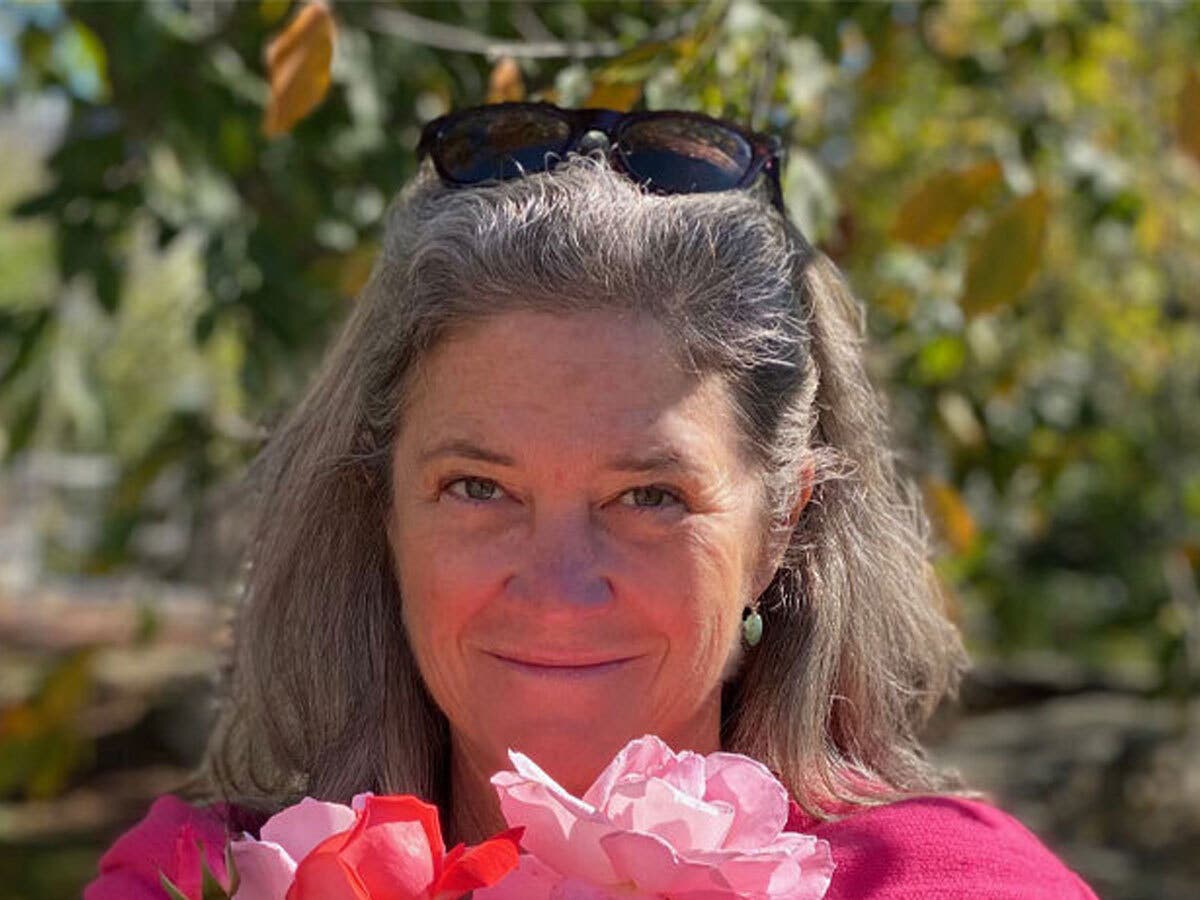
The Artists Association initially placed Elizabeth Congdon-Pinto on probation in June 2023 because she showed “poor judgment” by allowing a teenager with autism to take one of its workshops.
Congdon-Pinto, director of adult programming, then submitted an internal complaint to her employer, a nonprofit that operates two galleries and an art education program on Nantucket.
Find out what's happening in Falmouthfor free with the latest updates from Patch.
She said she was merely trying to uphold rules that guarantee Americans, disabled or not, equal access to services such as those of AAN – and that it could not legally exclude the student from its class due to his autism.
“I was faulted by the fact that I followed the law put forth in 1990, the Americans With Disabilities Act,” Congdon-Pinto wrote.
Find out what's happening in Falmouthfor free with the latest updates from Patch.
In retaliation, the Artists Association board then fired her, citing her “outspoken opposition” to the probation penalty, a 48-page, 10-count lawsuit complaint says.
Tracey Sears, executive director of AAN, said Tuesday the organization will not comment on the lawsuit. It names Sears as one of the defendants, and follows a review by the Massachusetts Commission Against Discrimination.
Congdon-Pinto hopes to recover lost and potential wages as well as other damages. Her attorney, Hingham-based Julie Halaby, told Patch the lost pay totals nearly $200,000.
The total demand is estimated at $865,000 according to last week’s filing in Boston federal court.
Halaby said the incident has cost Congdon-Pinto harm to her professional reputation and a fall-off in sales of her own artwork.
“This loss will be felt for years to come,” Halaby said.
‘Shut it down’
The student at the center of the controversy isn’t identified in the lawsuit complaint. But it says he was 15 at the time and is diagnosed with the mildest form (level 1, high-functioning) of autism spectrum disorder.
He’s also an “extremely talented and serious artist.”
With permission from his mother, following AAN policy, Congdon-Pinto allowed him to enroll in a figure drawing workshop for adults.
Another workshop student was an AAN board member and major donor, Susan Coyne, who wasn’t keen on including the teen.
It’s not clear why. He didn’t disrupt the workshop and drew well and quietly, the workshop instructor says in the complaint.
Like Sears, Coyne told Patch she would not comment on the matter. Attempts to reach other board members were unsuccessful.
But in an email to AAN leaders, Coyne claimed the student’s autism was “severe” and that he “should never have been in the class.”
In a meeting with Congdon-Pinto, Board Chair Patricia Keneally then reprimanded her by saying, “As soon as you found out he was autistic, you should’ve shut it [his participation] down then and there.”
According to the complaint, “AAN and the board intentionally went against the federal and state laws that guarantee equal access to disabled and nondisabled individuals, simply because one of their major donors was uncomfortable with the disabled student being in the class.”
The Artists Association, founded in 1945, had net assets of $5.7 million in 2024, the most recent year for which tax information was available. About $1.4 million of its revenue that year –more than 90 percent – came from donations and grants.
Next steps
The Artists Association and co-defendants haven’t responded to the lawsuit, but acknowledged the complaint and now have two months to reply.
Meanwhile, Congdon-Pinto – who had worked for AAN since 2019 – is trying to put her firing in perspective.
“My four decades of professional life have been tapping into empathy, not only to paint something beautiful, but to elevate the human experience through active participation in art,” she said in an email.
“In a small community like Nantucket, it is an honor to get to contribute my skills, yes, but also to teach and share, and yes, to advocate.”
The student’s mother commented in an affidavit: “It is unfortunate that the ignorance of AAN has caused so much harm to Ms. Congdon-Pinto’s career ... By firing her, AAN lost a very talented and caring artist and educator.
“They unfairly punished an employee who was simply trying to help a neurodivergent young art student have appropriate access to instruction.”