Community Corner
WHOI Lecture Series Starts Today
Four talks by WHOI scientists make the institution's mission accessible and fun.
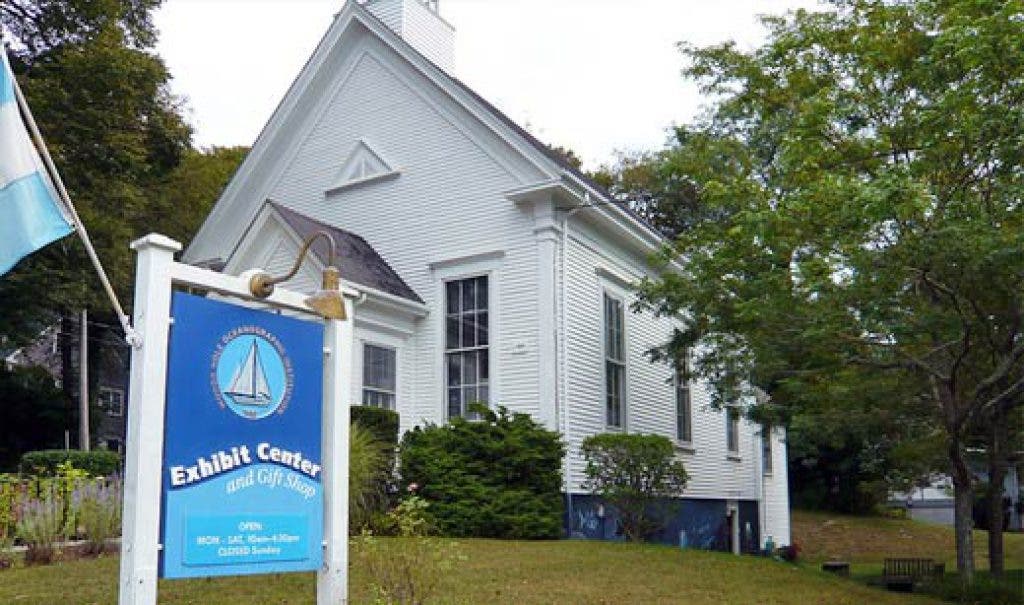
The 's Science Made Public lecture series begins today, with a talk by Glen Gawarkiewicz, senior scientist at WHOI's Physical Oceanography Department. All lectures are free and open to the public, and will begin at 2:30 p.m., at the Ocean Science Exhibit Center Auditorium, at 15 School Street in Woods Hole.
The first talk, , deals with the “river in the ocean” that transports warm water northward from the Gulf of Mexico, then east across the Atlantic. An integral part of the ocean environment, the gulf stream was recently reported to have produced some unusually warm water and strong currents off the coast of southern New England, leading some to speculate about the effects such a shift would have were it to become permanent. Naturally, WHOI scientists were among the first to study the phenomenon. Gawarkiewicz will take listeners through the findings, and what they may mean for the ocean, and its inhabitants.
Next Tuesday, the series continues, with Hosted by Dennis McGillicuddy, senior scientist at the Applied Ocean Physics & Engineering Department, the lecture examines the causes of the recurring appearances of the Alexandrium fundyense algae, which periodically wreaks havoc with the region's shellfishing industry. McGillicuddy will share some of the techniques used to forecast the timing and severity of each year's red tide bloom.
Find out what's happening in Falmouthfor free with the latest updates from Patch.
On July 24th, Larissa Williams, postdoctoral fellow in the Biology Department, present . New Bedford has been a base of maritime life for centuries, and its coastal waters have been polluted for almost as long. While most of the harbor's marine life has succumbed to the toxic polychlorinated biphenyls pumped into it during the 20th century, at least one organism, the unassuming minnow Fundulus heteroclitus, has managed to adapt to its drastically altered environment. The species has pulled off similar feats of extreme survival in other polluted areas, and now scientists are using genetic techniques to study its adaptive prowess.
The series closes on July 31 with . Rich Trask, research specialist at the Physical Oceanography Department, will explain the important role of remote moorings in the ongoing quest to understand the ocean. Trask will explain the special challenges faced by WHOI engineers and technicians as they design, build, and assemble these seafloor research platforms, and the contributions their efforts make to WHOI, and ocean science across the globe.
Find out what's happening in Falmouthfor free with the latest updates from Patch.
To learn more about any of the lectures in the Science Made Public series (508) 289-2700, email kpatterson@whoi.edu, or visit www.whoi.edu.