Politics & Government
'It's Malpractice': Framingham Has New $1.9M Water, Sewer Deficit
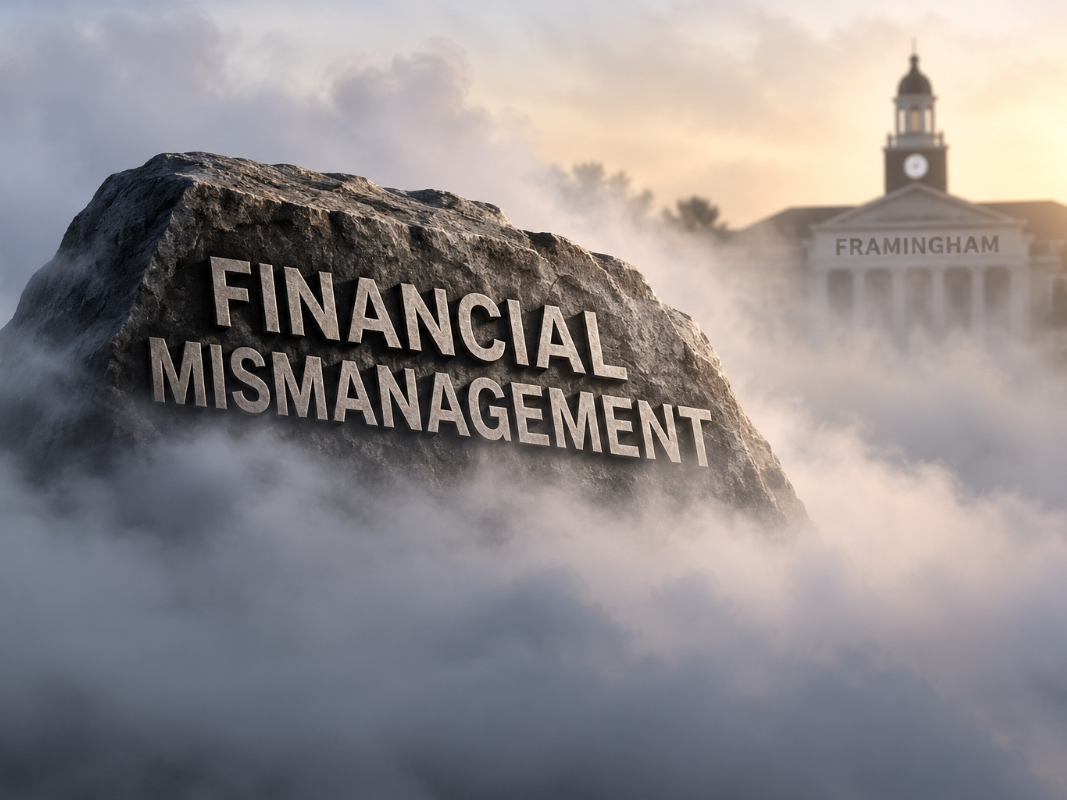
After a debt crisis earlier this year in Framingham's water and sewer departments, a new deficit has emerged likely due to low usage.


FRAMINGHAM, MA — Framingham will need to spend an additional $2 million — or perhaps more — to fix a new deficit in the city's water and sewer enterprise funds. The new problem comes after city officials scrambled in early 2021 to fix a previous deficit in the same fund.
The revelation about the new deficit came at Tuesday's City Council Finance Subcommittee meeting during a discussion about federal stimulus funds. Acting Chief Financial Officer Jennifer Pratt said the city will use $6.35 million from a total $27 million total stimulus allotment to replace water and sewer fund revenue losses, but also revealed the need for an additional $1.9 million from the stimulus pot.
"We're still closing out to make sure we have the exact number, but right now it's $1.9 million," Pratt said.
Find out what's happening in Framinghamfor free with the latest updates from Patch.
Pratt told Councilors the new deficit is likely due to lower usage related to the coronavirus pandemic. The city saw an enormous revenue slowdown as offices, restaurants and other large customers closed during the pandemic. Framingham relies on revenue from water and sewer customers to keep the enterprise fund stable.
In December, Mayor Yvonne Spicer alerted the City Council about a $2.5 million deficit that would need to be fixed before the city could send out tax bills. The Council in late February ultimately approved a plan to pay down debt by cutting the water and sewer department budgets, using $200,000 from the general fund reserve and $2.1 million in free cash.
Find out what's happening in Framinghamfor free with the latest updates from Patch.
"It would be funny if it wasn't so sad," Councilor George King Jr. said Tuesday referring to the Spicer administration. "It's malpractice."
A consultant hired by the City Council said in May that the problems in the fund stems from outdated rates and years of inconsistent increases. Rates did not rise at all last year — a move made by Spicer to spare taxpayers during the pandemic — but rose 9.7 percent this summer.
Framingham School Committee Chair Adam Freudberg feared the new deficit might impact the school budget — Spicer asked schools to take a cut after the deficit emerged last December.
He also called on the Council to get a handle on the full plan for American Rescue Plan Act (ARPA) funds. Finance Committee Chair Adam Steiner agreed, telling Pratt the city should figure out a way to pay down the deficit without sapping a once-in-a-lifetime stimulus payment.
"Federal funding meant for pandemic recovery and services to directly help people rebound from the detrimental impacts of COVID-19 is now at risk of being drained more than ever before," Freudberg said in reaction to Tuesday's revelation. "Other communities are already investing those funds to help people. Why not here?"
The Finance Subcommittee ultimately approved a request by District 4 Councilor Michael Cannon to hold public hearings on the city's use of ARPA funds.
Get more local news delivered straight to your inbox. Sign up for free Patch newsletters and alerts.