Let's start with the words of a well know commercial:
"Got Milk?"
No?
Find out what's happening in Melrosefor free with the latest updates from Patch.
No problem.
Got bread?
Find out what's happening in Melrosefor free with the latest updates from Patch.
No?
Got eggs?
No?
No problem.
Here's a short list of what has been learned throughout our ongoing confinement period of the coronavirus pandemic.
Not being able to go outside for fresh air remains a difficult task, especially with the better weather setting in as we follow the rules in our community and our state, "stay at home, don't roam." Staying away from friends and family members is also difficult, as many now know.
Interviews were suspended unless interviewees agree to a bit of armchair journalism. A phone call, FaceTime or Duo, Messaging or Zoom is just not the same as being there face to face.
No interviews for this article though.It has been a slow time for writers as we all were going though our own new learning process of how to deal with the situation. However, here's a bit of what was learned when trips to the grocery store produced either long lines, socially distancing all shoppers at 6 feet apart, while wearing face masks and gloves. Stores that deliver are either out of stock and have wait times that may extend to a few weeks.
What to do? I, too, had cabinets that were "out-of-stock."
Could anything behind those cabinet doors in the kitchen be used to make milk?
Coconut Flakes?
Hmmm, coconut milk . Trips from the cabinet to the computer led to some unusual discoveries to share.
1 cup of coconut flakes to 4 cups of "nearly boiling water." Well, milk was needed for coffee. It was worth a try.
Out came the pan, a blender of days gone by. That blender was my first purchase in my preteens. It has been used many times. I had painstakingly collected Green Stamps. Remember those books and working diligently to to fill them with provided green stamps?
That little trip down memory lane has been fun but it's time to get back to the coconut milk recipe.
Following the directions led to blending the coconut flakes and water, then letting them sit within the "nearly boiled water" to soften the flakes. Well, they softened but never truly dissolved. A food processor may have been better. (Note, the coconut flakes can be toasted in the oven later.)
"Use it up, make it do, wear it out or do without" - a phrase heard many times within my family.
Apparently that phrase was taken to heart as it remained somewhere in my memory bank for years.
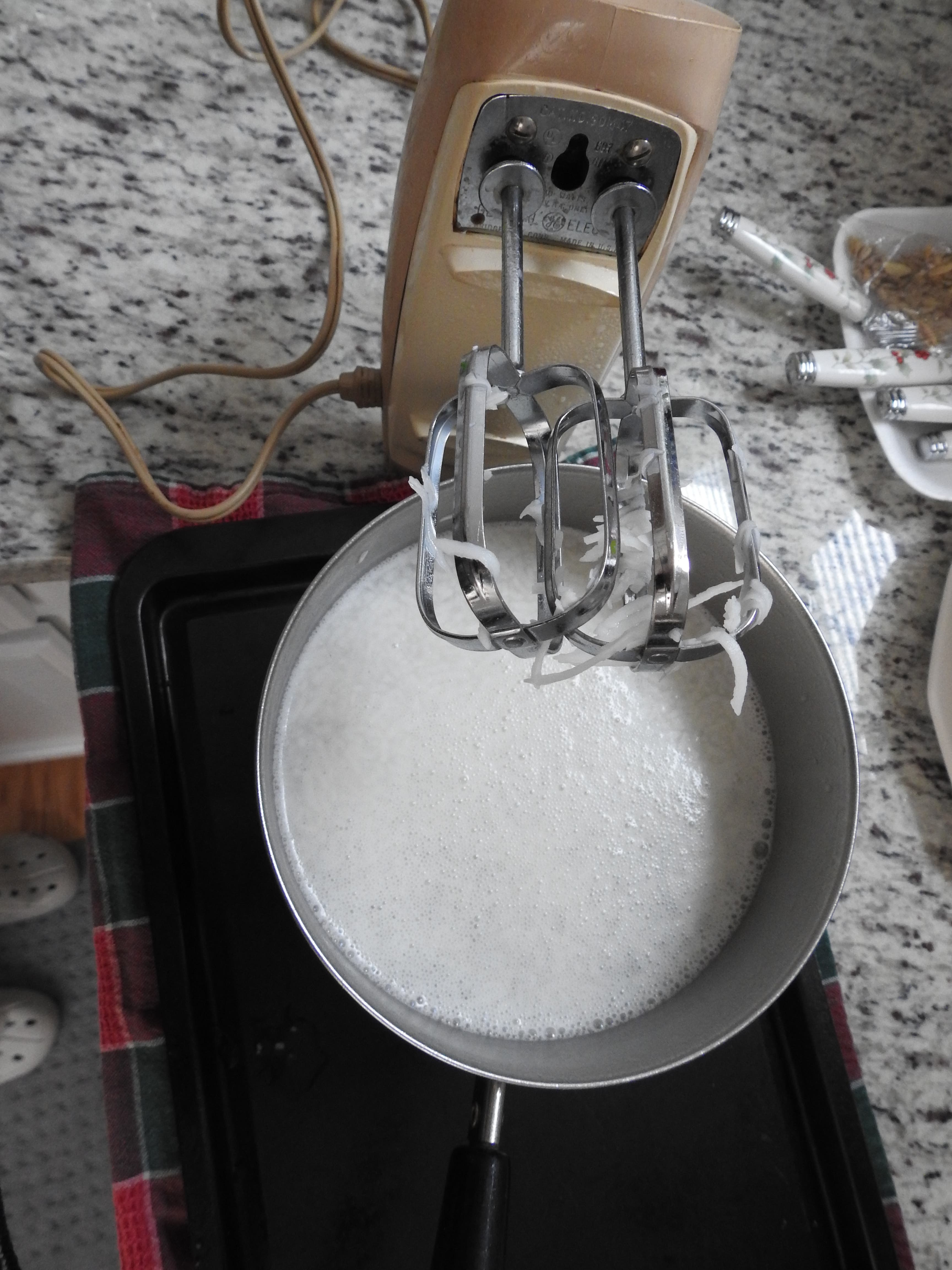
Well, it was beginning to look like milk.
The recipe suggested following the blending that the mixture be strained through a "nut bag."
Got a nut bag?
No?
No problem.
That's not a problem if you have even a little a bit of Yankee ingenuity.
No more daydreaming - it was time to gets back to work.
What could be used?
Another trip this time from the kitchen cupboards to the kitchen drawers. Aha! A strainer from years ago .
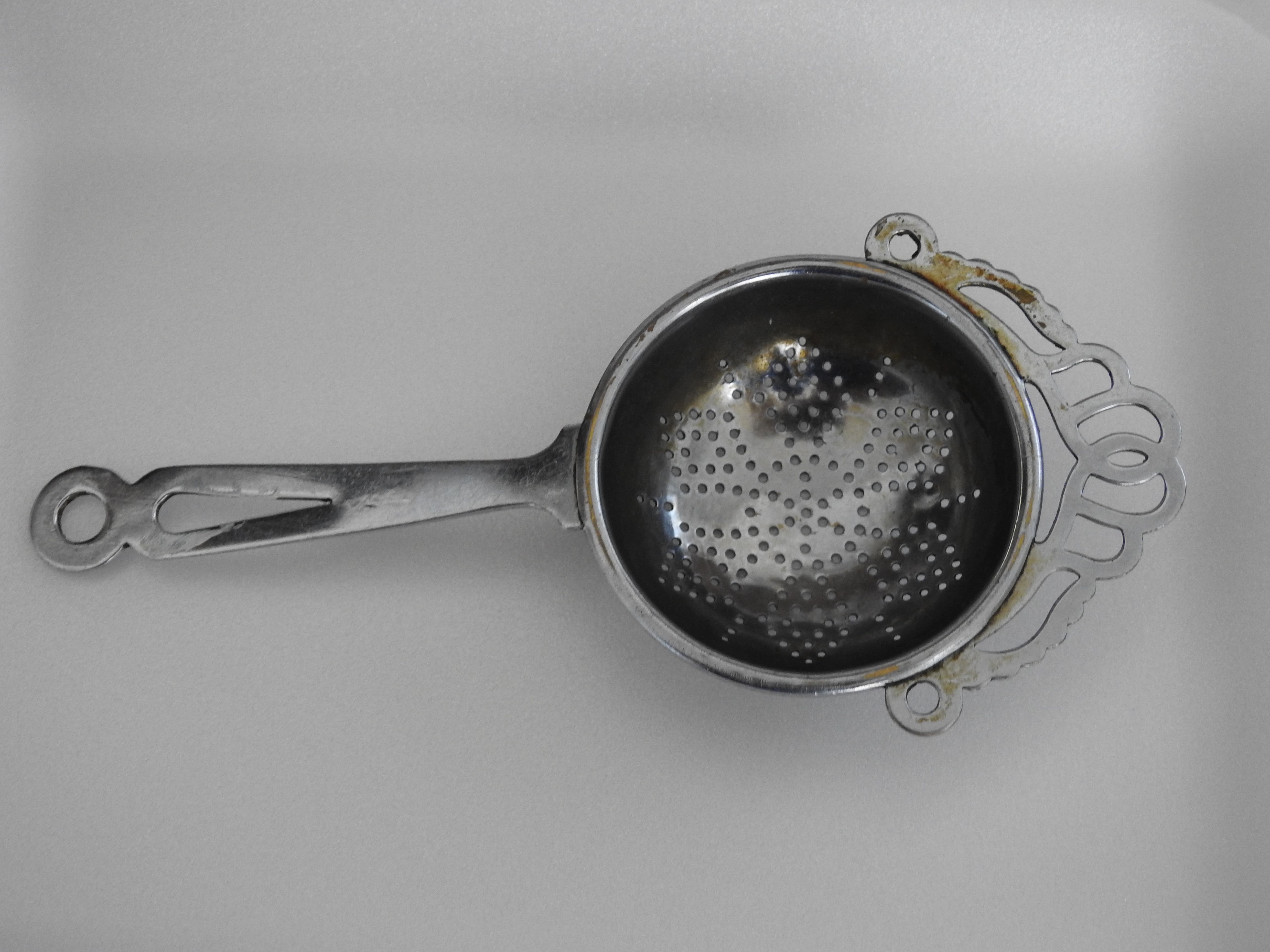
It took some time to strain but I certainly had the time and it worked.
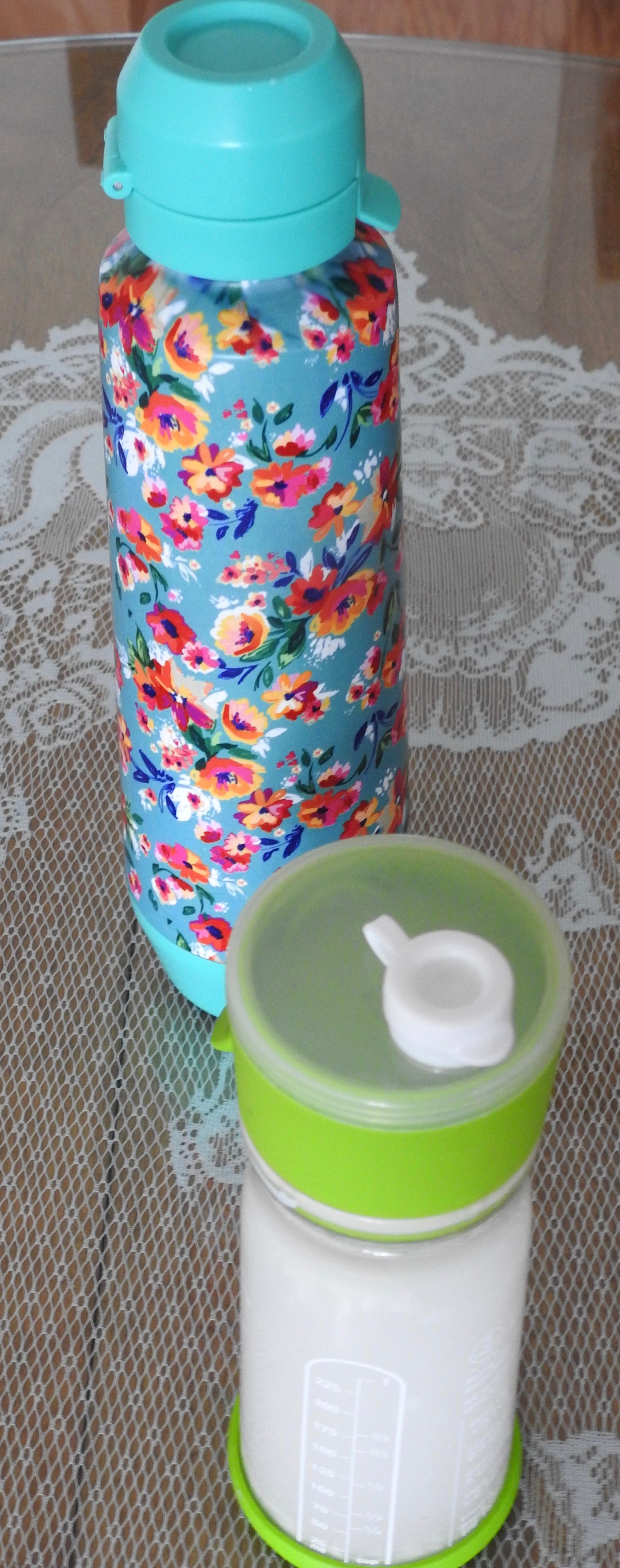
Success at the stove! Who needs to milk a cow?
We now had coconut milk but still no bread. Sipping coffee with the newly flavored coconut milk, it soon became time for a bit more exercise.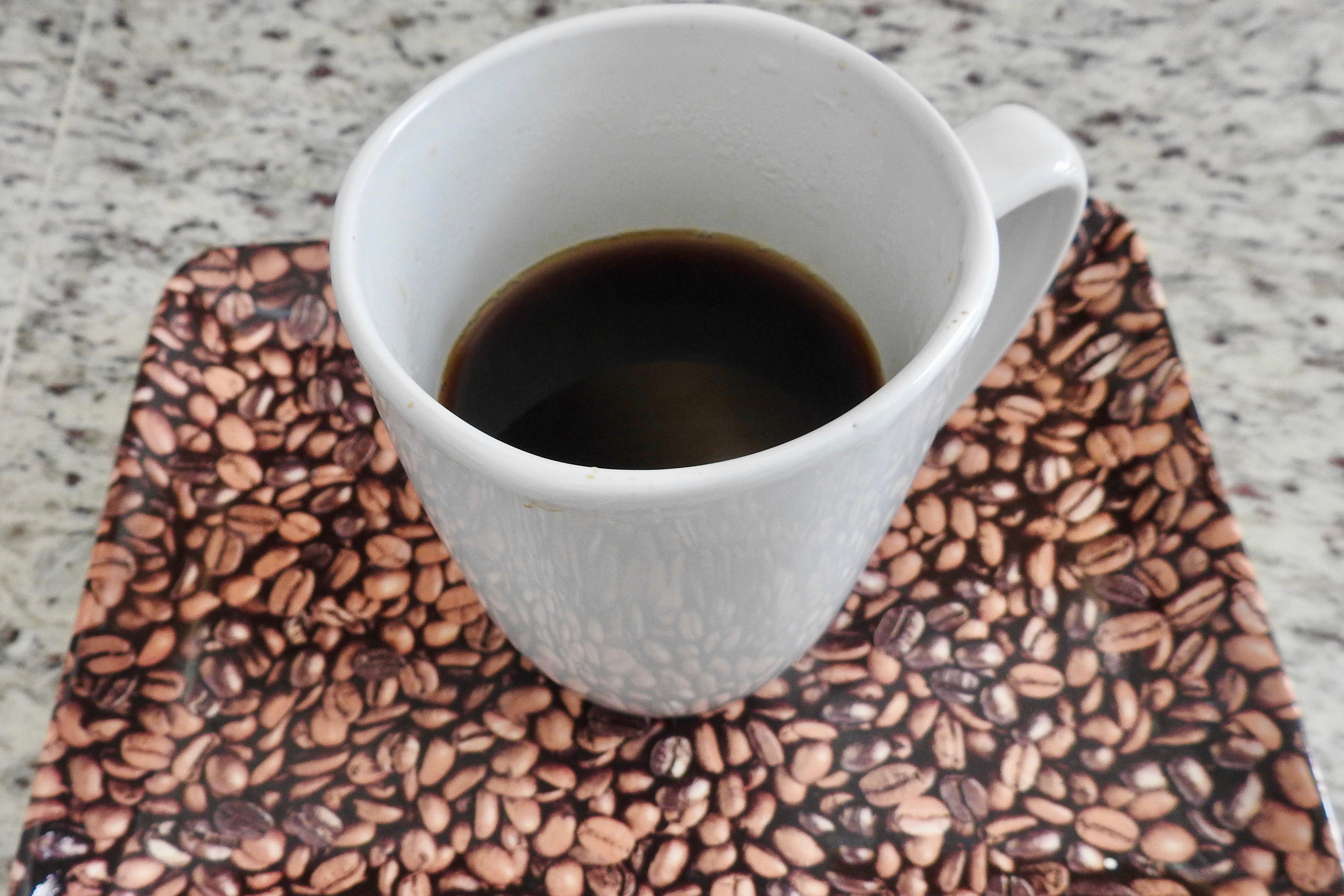
Although the color of the coffee did not change much when the coconut milk was added, the flavor ws there.
A brisk walk back to the living room brought me back to the computer once again for another google search.
Was it possible to make a bread with no yeast? The answer was yes.
Returning to the kitchen for another search and discover mission, there they were, the necessary ingredients to bake a "no yeast brown sugar bread." The recipe photos on the internet looked as if this "no yeast bread" would be delicious. As a warning, the recipe did not appear to take gluten free and diabetics in mind. Being gluten free or diabetic is n a problem within this household. Fortunately, brown sugar from the cabinet and eggs from the refrigerator were on hand waiting to make their appearance and become part of the ingredients within the mixture. The recipe worked and now our home had bread, milk and coffee. We saved ourselves a lengthy trip to the grocery store, avoiding the ongoing pandemic of 2020.

Readers, are you ready?
Try this out for yourselves. A personal favorite would be that of the almond extract.
How to Make Bread Without Yeast
"The concept is the same for all breads made without yeast (see below for more easy no yeast bread recipes). It’s a no fuss, no muss way to make homemade bread. There’s no yeast and therefore no wait!
No yeast bread is typically made by combining dry ingredients, followed by wet ingredients and gradually folding the dry mixture into the wet mixture for an even rise.
INSTRUCTIONS
- Grease 6 mini loaf pans or one large loaf pan and preheat oven to 350 degrees.
- Combine brown sugar, flour, baking powder and salt.
- Beat eggs, milk and oil.
- Gradually add dry mixture to wet until just moist.
- Pour batter into pans an inch below to compensate for rise. Optional: sprinkle sugar on top.
- Bake at 350 for 40 minutes.
- Combine dry ingredients.
- Combine wet ingredients.
- Gradually incorporate dry into wet.
- Pour into greased loaf pan.
- Bake bread (this recipe takes about 40 minutes bake time).
- Remove from oven and enjoy warm or store at room temperature after it cools covered in plastic wrap for up to 5 days
Variations for this No Yeast Bread
This bread is incredible as is because of the rich molasses, but you can mix up this recipe in so many ways! Some suggestions include:
- Extracts – add a hint of vanilla, almond, banana or maple, the options are endless. Simply add 2 teaspoons of your favorite extract.
- Nuts – fold in walnuts, pecans or almonds or use them to garnish the bread just before placing it in the oven.
- Fruits – you can add in banana slices or dried fruits, even raisins to your mixture as well.
- Chocolate – white or milk chocolate chips are also a delicious addition.
- Oats – fold them in and sprinkle on top for added texture.
Should our readers ever find themselves out of a necessary ingredient for baking, an onlinetsearch to Foodal and/or TripHero, provides bakers with some interesting alternatives. If you have the time, try out the following suggestions from the internet .
If in the midst of baking, when readers realize there's no time to run out to the grocery story, here are some substitutes substitutes when you discover you don't have any eggs: ere is a list:
Applesauce- 1/4 cup of unsweetened = 1 egg
Banana - 1/4/ cup of mashed banana = 1 egg
Flax seed - not a usual staple found in many a kitchen but should you discover some int he kitchen cabinet, mix 1 tablespoon of flax seed with 3 tablespoons of water.Let the seeds fully absorb the water, and you have another substitute for 1 egg.
Water, oil and baking powder- whisk together two tablespoons of water, one teaspoon of corn or vegetable oil and two teaspoons of baking powder. This mixture also = 1 egg.
1/4 cup cooking oil will do the job for 1 egg. If your recipe calls for more than 1 egg you might consider trying one of the other substitutes as too much oil will make the recipe too oily or greasy.
Another list to keep handy in the kitchen is provided by Foodal are baking substitutes for cooks who discover they have run out of oil. Refer to Foodal.com for further information.
Oil Substitutes:
Banana, ripe and mashed
Butter, melted
Cauliflower, unseasoned, cooked and pureed
Ghee - Not being a professional chef, this was the time to find out just what Ghee was before giving it as a recommendation for a substitute for the missing oil
No matter your age, something new can be learned each day.
"Siri" the computer generated voice within my computer, assisted in the process of discovering the definition of this recommended ingredient. She mechanically explained, "ghee is made by melting regular butter. The butter separates into liquid fats and milk solids. Once separated, the milk solids are removed, which means that ghee has less lactose than butter. Traditionally, ghee has been used as cooking oil, an ingredient in dishes, and in Ayurveda therapies." In my lifetime, I've never come across ghee.
Continuing with other substitution recommendations, the following appear much more frequently than ghee within my kitchen.
Margarine, melted
Mayonnaise
Pumpkin - cooked and pureed
Sour Cream
Vegetable Shortening
Yogurt
Zucchini
Beets, cooked and pureed.
Enjoy using some of these substitutions as you create some interesting recipes from your own kitchens. Then share those recipes and baked goods with friends and relatives.