Schools
Kids and Parents Learn How to Boost Recycling
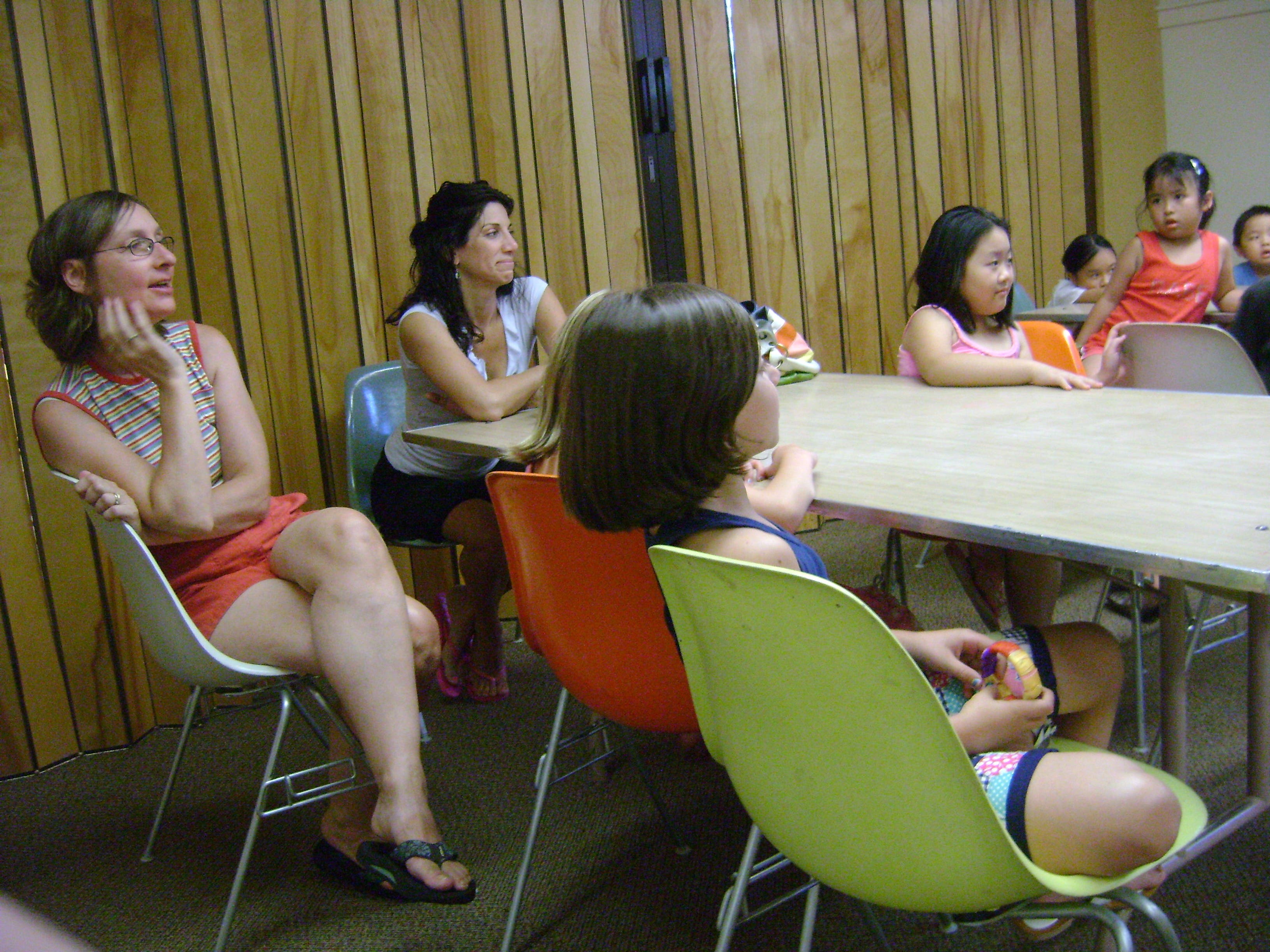
Mary Beth Calnan, Melrose recycling coordinator, teaches how to separate waste during library program.

Melrose residents recycle only about 19 percent of household waste using the city's curbside program, a statistic the city's recycling coordinator, Mary Beth Calnan, hopes to improve.
During an instructional program at the Melrose Public Library on Tuesday, Calnan demonstrated for kids and their parents how to separate waste into trash, paper, plastic, and compostables.
The kids, mostly elementary school students from the Horace Mann and Lincoln Schools, helped Calnan decide which items in a pile of waste should go into which type of recycling bin.
Find out what's happening in Melrosefor free with the latest updates from Patch.
"It's okay — it's not bad, it's not good," Calnan said of the city's recycling rate.
As the recycling coordinator, Calnan frequently visits city schools to teach the children how to separate recyclables from trash. The public schools are required to separate recyclables, she said.
Find out what's happening in Melrosefor free with the latest updates from Patch.
"We've done well in the schools," Calnan said.
Each year, the school that recycles the most receives a bench made by the Trex company from recycled plastic.
One way to improve recycling rates would be adopting a "pay-as-you-throw" weighting for trash fees. But Calnan said the decision to employ per-bag trash fees is a political one.
"They've done it in Malden," she said. "The truth is, the streets are much cleaner."
Boosting recycling saves the city money in waste disposal and brings in revenue from paper companies that buy recycled paper waste, she said.
Recycling tips
- Divide recycling into paper (paperboard, newspaper, office paper, envelopes) and "co-mingles" (glass and plastic bottles, aluminum, plastic containers).
- Separate corrugated cardboard from paperboard, such as cereal boxes.
- Plastic bottle caps can be recycled -- there's no need to remove the caps from bottles before recycling.
- Plastic bags can be reused or returned to the supermarket; but they cannot be recycled by the city.
- Notebooks with metal spiral binding and envelopes with plastic windows can be recycled with paper.
- Food waste and soiled paper (napkins, tissues) cannot be recycled; but these items can be used for compost.