Health & Fitness
Creating a Smooth Transition for Back-to-School Tweens
Guidance for parents of tweens for a smooth transition back to school written by a Child Development Specialst; MEd, LICSW, current clinician and past special educator.
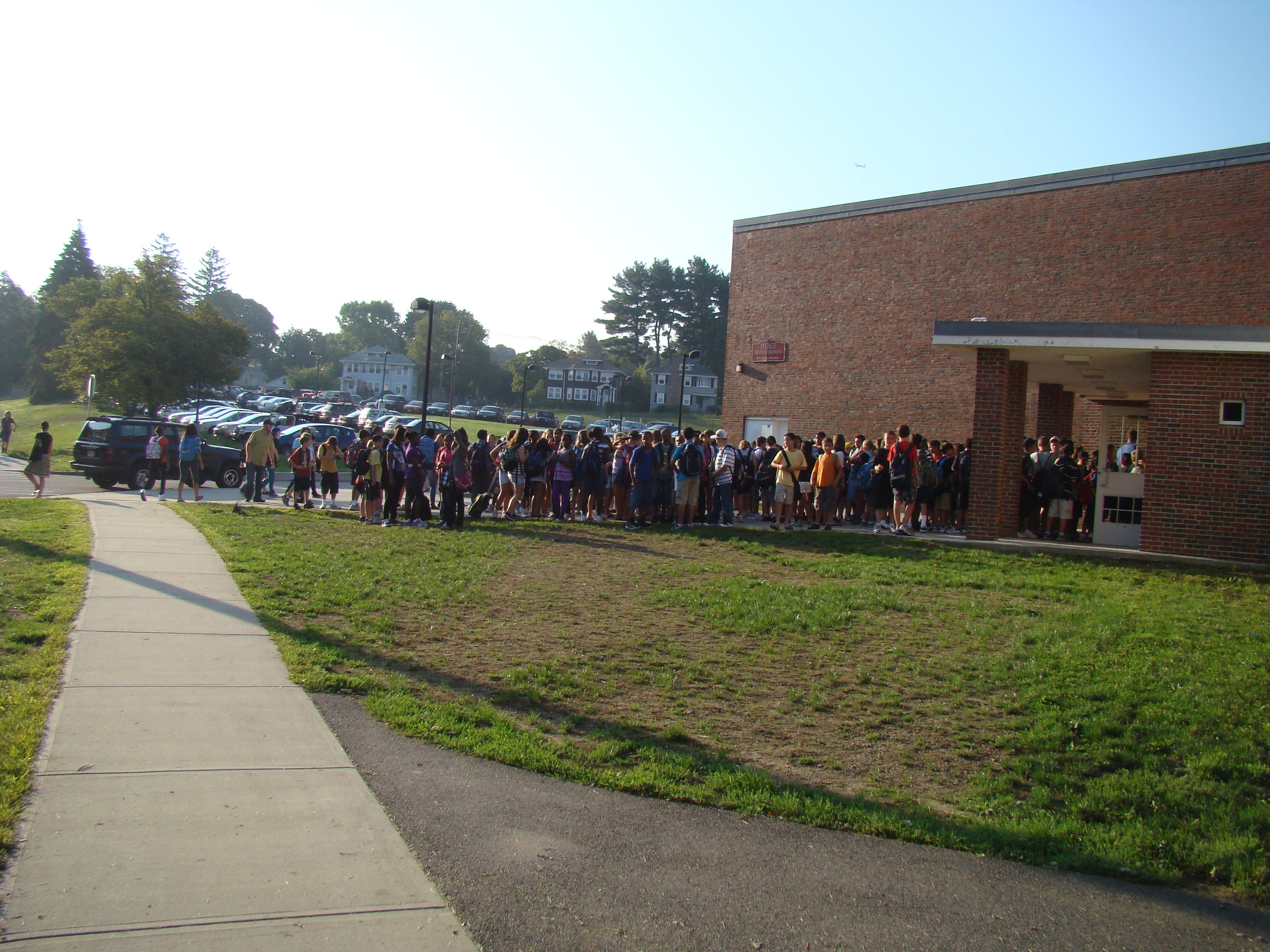
Now that Carly Rae Jepsen's, "Call Me Maybe," is burned into your memory after listening to your tweeners play it over and over while learning the dance moves, it's finally time to prepare your child(ren) for the first weeks of school.
Typically, parents are turned in to children in grades k-4 beginning school, especially younger kids who may not remember much about the geography of their school, negotiating bus drop-off or perhaps have not seen their peers over the summer.
Older elementary students and middles school students need our same attentiveness, delivered subtly. They may not feel as comfortable sharing feelings of anxiety and fear or these feelings may be expressed as anger. This is where parents must be attuned individually.
Find out what's happening in Miltonfor free with the latest updates from Patch.
Generally speaking, here are a few options to support your child in an age appropriate manner.
- Create one to three opportunities to be in school with your child after school or on Saturday, when most students are not present.
- Be sure your child can open the combination lock. This is a source of great anxiety and big problems for the rest of the school year if the lock remains a challenge. I have had patients that have never used a locker, instead finding "spots" to leave homework, books, notebooks, and supplies. Especially boys.
- Have your child give a little tour, don't make a big deal out of it, you want to see if s/he knows where classes are held (if more than one room is used).
- All kids have gym, health and other required classes, can s/he find them? The nurse?
- Where does your child sit at lunch? Lunch can be a source of high anxiety.
- Lastly, overall, think about loosely structured time. These are the periods where tweeners are figuring out social skills, communication skills and the "unwritten curriculum."
I hope this information provides one idea to guide your tween or sparks a question. The next submission will be based on questions I receive.
Find out what's happening in Miltonfor free with the latest updates from Patch.
Have you hugged your kid today? M.