Business & Tech
Flat Black Raises the Coffee Bar
Life and business partners, Jennifer and David House take their coffee very seriously.


In 2002, a small but nicely appointed coffee shop opened within shouting distance of Milton on Washington Street in Dorchester Lower Mills. Miltonians heard the cry and a couple of years ago, according to co-owner David House, Flat Black was chosen in a local contest as Milton's best coffee.
No, there isn't a Milton location, but after an early push to open two additional Boston locations, the company has added wholesale distribution to its efforts and Flat Black coffee is served and sold at Cakes on Eliot Street in Milton and Fruit Center Marketplace in East Milton Square. It is no coincidence that both of those retailers are regarded as high end, gourmet merchants. For the Houses and their third partner, Jeffrey Chatlos, gourmet is the niche they seek. David reports that they are in talks with Whole Foods and are anticipating that their beans will show up on their shelves soon.
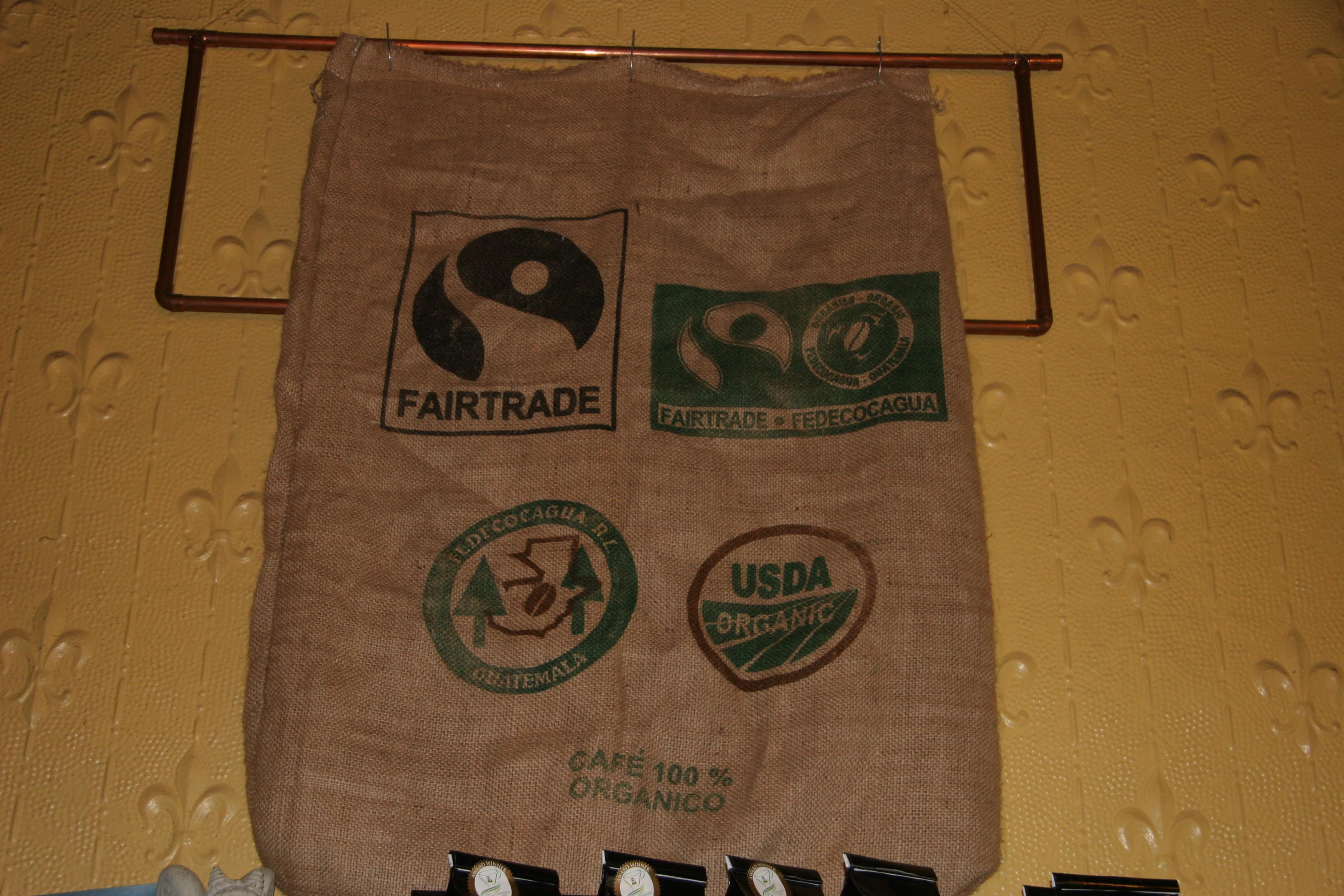
Featuring exclusively "Fair Trade" and "Single Origin" coffees, Flat Black is part of a small but rapidly growing nationwide movement to elevate the coffee bean to varietal grape status.
Find out what's happening in Miltonfor free with the latest updates from Patch.
Fair Trade is a growing social movement that seeks to empower small growers around the world to earn a living wage. It connects the small farm farmer, usually in underdeveloped agrarian economies, more directly to the end consumer through socially conscious merchants usually in the developed world. While once the exclusive territory of small vendors, Fair Trade products have begun to permeate the market where they are widely offered at Whole Foods and are sometimes available in traditional supermarkets. Coffee has been a leading product in that effort.
Single Origin coffee beans are purchased specifically from defined and increasingly narrow sources, specifically country of origin, region within country and individual farms within regions. Coffee beans were once combined with any and all other coffee beans and traded strictly as a commodity whose price was set by simple supply and demand economics. The coffee beans lost their individuality at the expense of the farmer whose best beans invariably ended up traded on the worldwide commodities exchange as if all coffee beans were alike. Excellent farming practices, unique soil conditions, and highly sought flavors went unrewarded and the world's best beans were lost. Big agribusiness was the only winner.
Find out what's happening in Miltonfor free with the latest updates from Patch.
Flat Black has taken the priorities of Fair Trade and Single Origin to their logical extension. The partners combine business with passion and personally visit some of the coffee growers from whom they purchase their beans. Although many of their sources are international, with no trade restrictions with the U.S territory of Puerto Rico, they will even buy small batches of green beans direct from the farmer who can ship through the U.S. Postal Service.
Additionally, two years ago they bought their own roaster. They now buy only green beans and roast all of them at the Dorchester store at the rate of more than a hundred pounds a day.
When asked what sets them apart from other coffee purveyors, David commented that "we don't roast and blend the varieties in search of a company flavor profile, but instead seek to reveal the unique flavors that are particular to each bean, each region and sometimes, a particular farm."
Jennifer added, "not only are we selling a particular bean, we are selling previously unheard of beans that are only just coming to the market," some of which are now being referred to in the industry as "Top Shelf." In the wine analogy, these are vintage beans of particularly high quality and limited quantity. And yes, they are pricey, too.
In pursuit of their goals, which at this point seem to be as much about educational thirst as about business success, Jennifer House has become a sensory judge certified by the Specialty Coffee Association of America. In that capacity she has judged and will continue to judge competitions and tastings organized to promote higher and consistent standards for evaluating coffee quality and service. She hopes also to raise awareness of coffee's importance in developing agricultural economies and in our own food culture.
One of her near term goals is to develop a school for baristas, roasters and others in the local coffee industry. Having already trained award winning baristas within their own organization, the Houses and Chatlos are out to train the competition who will in turn reach a wider audience and help improve the entire industry. David remarks, "We're about twenty years behind the American wine industry."