Health & Fitness
Dig Deep, Wide and Get Off to a Great Start
Are you giving dad a lasting gift for the garden this weekend? We've got tips for getting that new plant off to a healthy start.
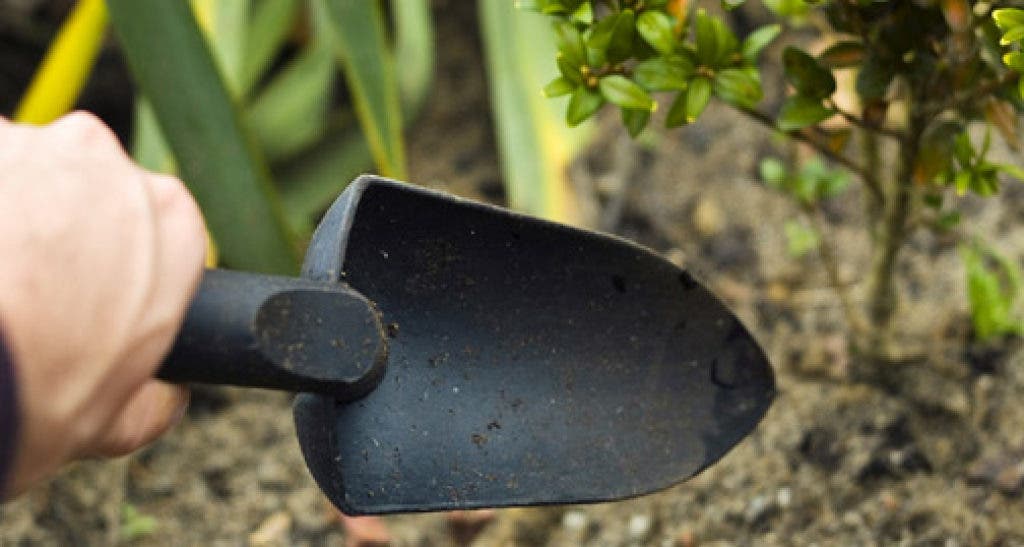
This Sunday is Father's Day and when dad isn't tending to "the back forty" or that small patch of grass out front, he's putting new plants or trees in the earth. As trees or perennials often make thoughtful gifts for any father, something he can watch grow throughout the years, it's also a great time to review how best to get that new yard specimen off to a healthy start.
Picking the right plant for the right spot is the first step in getting a new plant established in the landscape. After that, the quality of the planting job goes along way towards a successful addition to your landscape.
We recommend following the basic instructions from the Extension Service of Univ. of Massachusetts. Digging a hole wider than deeper and then adding an amended soil mix to surround the new root ball. Planting depth is equally important for planting a perennial, shrub or tree too deeply will result in stress or the death of the plant. Always find out where the root flare is on a tree for that’s where it should be planted, no lower or higher.
Find out what's happening in Plymouthfor free with the latest updates from Patch.
Customers frequently ask me what fertilizer to use and in recent years with the development by Espoma of a starter with mycorrhizae, we have shifted to this product. What is mycorrhizae? Mycor and rhiza mean literally fungus and root and defines the mutually beneficial relationship between the plant and the fungus. These are specialized fungi that will colonize the root system and spread far beyond them. The mycorrhizal filaments are extensions of the root system and are more efficient in absorption of nutrients and water than the roots themselves.
Espoma’s Bio-Tone Plus has 17 different fungi to aid in the establishment of this beneficial fungi. It’s most important that this product be incorporated into the new soil mix surrounding the root ball to work. Mulching the plant after planting will help promote even soil moisture so this new fungi will propagate and spread.
Find out what's happening in Plymouthfor free with the latest updates from Patch.
Watering practice after the planting is equally important where the initial soaking will help get out the air pockets and settle the soil firmly around the root ball. Subsequent watering should be done with enough to once again soak the root zone down to the full depth of the root ball. Frequent shallow watering should be avoided.
Another product that is new to the market which can be used after planting is Thrive from Alpha Bio Systems. In addition is Thrive New Plant, Vegetable, and Lawn, all of these products are designed to be mixed with water for application and will restore the biological activity of the soil.
Be sure and follow these tips with your planting this season and dad will be admiring your beautiful gift for years to come.