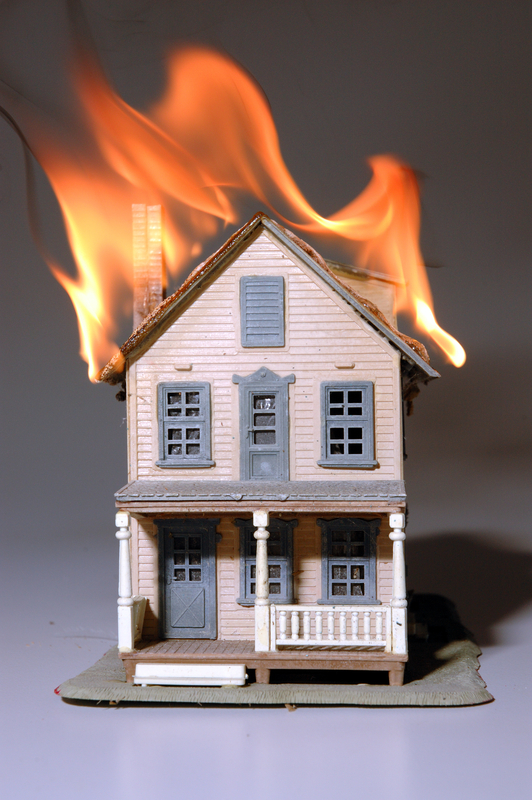
I’ll admit it -- I’m the first one to kick up the heat when I feel even a slight chill in my home. And, needless to say, this most recent wave of bone-chilling weather has most American households cranking up the heat to stay comfortable. But there is a price to pay for heating your home without taking safety precautions.
According to The National Fire Protection Association’s (NFPA’s) 2013 report on home fires:
· Seven people in the U.S. die each day in home fires
Find out what's happening in Roslindalefor free with the latest updates from Patch.
· More than 25% of home fires originate in the bedroom
· Half of home fires take place between the hours of 11 p.m.-7 a.m.
Find out what's happening in Roslindalefor free with the latest updates from Patch.
· Three out of 5 home fires occur in homes without a working smoke alarm
As a real estate agent, one of my tasks when selling a home is to schedule smoke and carbon monoxide alarm inspections with the local fire department prior to closing. It’s a state requirement for each property sale in order to ensure that the home being sold is safe for the new homeowners. Needless to say installing and maintaining smoke and carbon monoxide alarms in every home would prevent these needless deaths.
Here are the top 10 fire safety tips from the NFPA:
· Watch your cooking
Stay in the kitchen when you are frying, grilling, or broiling food. If you must leave, even for a short time, turn off the stove. If you are simmering, baking, roasting, or boiling food, check it regularly, remain in the home while food is cooking, and use a timer.
· Give space heaters space
Keep fixed and portable space heaters at least three feet from anything that can burn. Turn off heaters when you leave the room or go to sleep.
· Smoke outside
Ask smokers to smoke outside. Have sturdy, deep ashtrays for smokers.
· Keep matches and lighters out of reach
Keep matches and lighters up high, out of the reach of children, preferably in a cabinet with a child lock.
· Inspect electrical cords
Replace cords that are cracked, damaged, have broken plugs, or loose connections.
· Be careful when using candles
Keep candles at least one foot from anything that can burn. Blow out candles when you leave the room or go to sleep.
· Have a home fire escape plan
Make a home fire escape plan and practice it at least twice a year.
· Install smoke alarms
Install smoke alarms on every level of your home, inside bedrooms and outside sleeping areas. Interconnect smoke alarms throughout the home. When one sounds, they all sound. For the best protection, both ionization and photoelectric alarms or combination ionization and photoelectric alarms (also known as dual sensor alarms) are recommended.
· Test smoke alarms
Test smoke alarms at least once a month and replace conventional batteries once a year or when the alarm “chirps” to tell you the battery is low. Replace any smoke alarm that is more than 10 years old.
· Install sprinklers
If you are building or remodeling your home, install residential fire sprinklers. Sprinklers can contain and may even extinguish a fire in less time than it would take the fire department to arrive.
So many of these tips are just plain common sense and so easy to put into practice. Do yourself and your family (and your home) a favor and take steps today to avoid being a fire death statistic. For more information on home fire safety, visit NFPA.org/homefires.