Community Corner
Shelter's Punishment-Based Training Techniques Raised Concerns
The story of Bandit, who was set to be euthanized by Northeast Animal Shelter, sheds light on divides between staff at the Salem shelter.


SALEM, MA -- The Northeast Animal Shelter had few volunteers more dedicated than Russell Busa. Busa is the president of Woburn-based Sterling Development and routinely donated beds, toys and food to the Salem-based nonprofit. Last winter he donated 700 pounds of pet safe ice melter to the shelter. He was certified to work with dogs that were labeled "red dot" by the shelter, meaning they had health or behavioral issues that needed to be addressed before they would be ready for adoption.
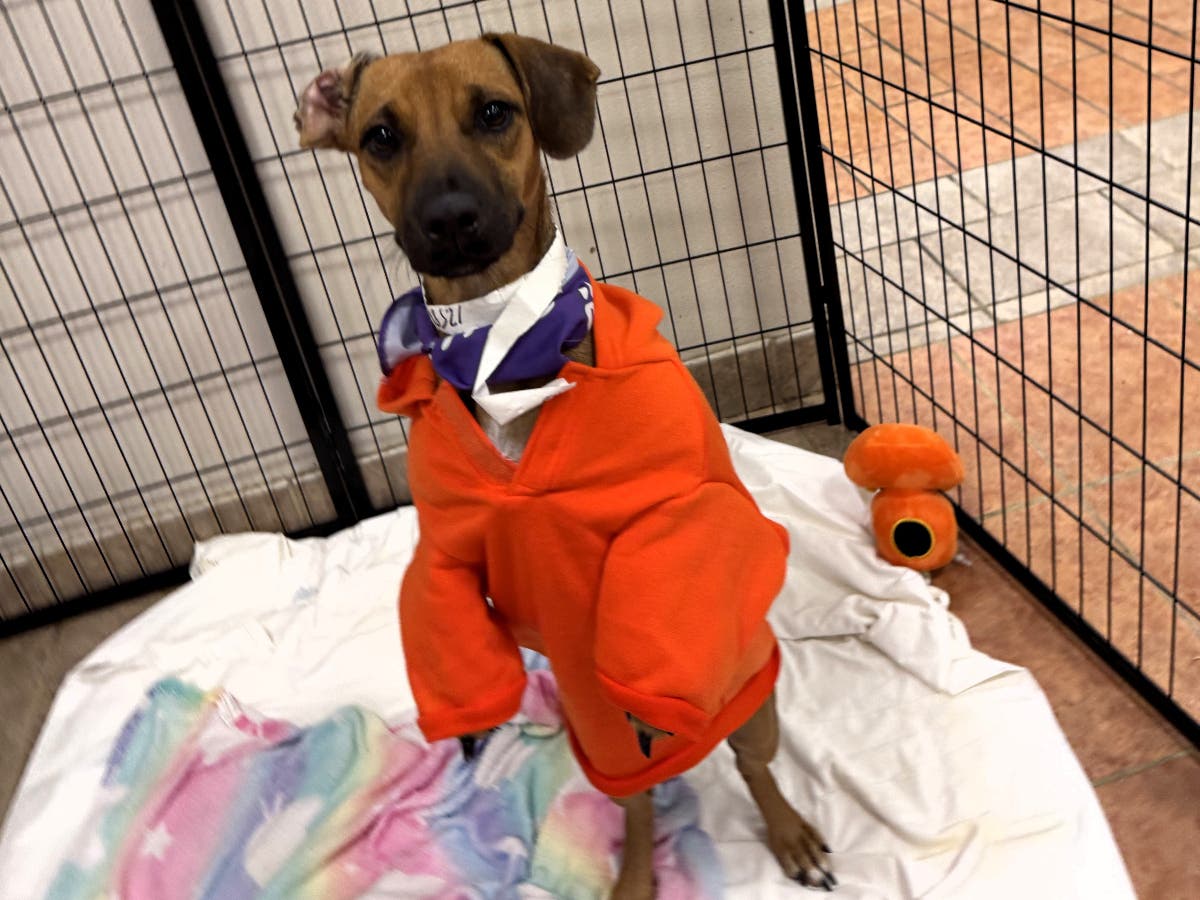
But for Busa, the best part was donating his time. Most weeks, he participated in Northeast Animal Shelter's Wednesday Walkabout program, in which volunteers take dogs for walks in the community. Busa's favorite dog was named Bandit, and like a lot of shelter volunteers who bonded with the animals, Busa had the bittersweet mix of emotions when a favorite dog or cat found his or her "forever home."
In Bandit's case, however, the family that adopted couldn't deal with his aggressive behavior. The use of a prong collar and a Beverly training facility Northeast Animal Shelter recommended only seemed to make Bandit's behavior worse. With Bandit spending most of each day in a crate, the family made plans to surrender him to Northeast Animal Shelter. While the shelter bills itself as a "no-kill shelter," that label only applies to its policy for "adoptable" pets. Pets that are labeled "unadoptable," like Bandit, are sometimes euthanized.
Find out what's happening in Salemfor free with the latest updates from Patch.
Busa and Bandit's story are just one of five that former volunteers told Patch about training techniques that raise more questions about the Northeast Animal Shelter. Bandit's story, which typifies the five from the volunteers we spoke with, suggests an inconsistent policy and training techniques that could potentially do more harm than good to so-called aggressive dogs, according to certified animal trainers and a veterinarian specializing in animal behavior that spoke to Patch.
From Prong Collar To Doggy Boot Camp
Find out what's happening in Salemfor free with the latest updates from Patch.
One Wednesday Busa showed up and found Bandit wearing a prong collar that would pinch Bandit if he pulled on his leash or lunged. Busa was confused: the shelter's own training manual, as well as volunteers who helped train dogs, stressed that the shelter only used positive reenforcement techniques, especially when working with red dot dogs.
Busa took Bandit out for his walk and replaced the prong collar in the harness they usually used when they went for walks. When he got back to the shelter, Busa told the staff he would no longer walk dogs if they were wearing prong collars.
"As I always did after taking the dogs out, I would write up a brief report to the Adoption Councilors, Staff and the volunteer trainer about how their behaviors were while driving in the car, how did they do with street noise, other people, kids, dogs, etc. And in this report I included my displeasure and disapproval of the use of a prong collar on Bandit," Busa said. "As soon as word was spread about the use of a prong collar, it was as if I was 'persona non-grata' at the shelter."
Northeast Animal Shelter did not respond to a list of questions Patch sent Thursday morning about the shelter's training methods. But earlier last week Director Don Shapiro said that the shelter did not have a trainer on staff. "We do not have a professional trainer on staff, nor do we feel this is necessary. Most of our dogs are adopted so quickly that it is best for the adopter to take their pet to training classes or hire their own professional trainer," he said.
He did say, however, that the shelter sometimes sends hard-to-adopt pets to an offsite trainer. In 2017 Northeast Animal Shelter spent more than $15,000 on so-called "doggy boot camp" services, Shapiro said.
Northeast Ignores The Consensus On Correction-Based Training
Jennifer L. Summerfield is a veterinarian and professional animal trainer who said veterinary behaviorists, PhD clinical animal behaviorists and other educated animal professionals, have reached a broad consensus that punishment or correction-based training techniques like prong and shock collars are not appropriate for dogs with aggression problems.
"There is a tremendous amount of evidence showing that these techniques have a high risk of worsening aggression issues over time, and do not adequately address the underlying causes for aggressive behavior - usually things like stress or fear," she said. "Instead, appropriate treatment for these dogs focuses on identifying triggers for their aggressive behavior, and using reward-based training methods to teach them to respond differently to these situations."
And on paper, Northeast Animal Shelter adhered to the guidance that only positive reenforcement training techniques be used on dogs. That paper was a 50-page training manual written by Theresa Kolpakova, who started as a volunteer at Northeast Animal Shelter in 2012 and started offering training classes on positive-reenforcement methods for volunteers in 2016. But despite the emphasis on positive training techniques in the written policy, management at the Northeast Animal Shelter often made the decision to send dogs that showed signs of aggressive behavior to off-site "boot camps" that used prong and shock collars. Northeast Animal Shelter also continued to use prong collars on site.
Kolpakova said she pleaded with the shelter's directors to stop sending the dogs to those facilities, which, as a certified animal trainer, she knew made the problem behavior in those dogs worse and made them less likely to be labeled "adoptable" by the shelter. While a prong behavior can stop a negative behavior, it does not give the dog a replacement behavior and therefore does not address the underlying tension or fear that caused the dog to lash out in the first place.
Kolpakova documented progress in weekly reports that dogs were making with her positive-reenforcement approach. She held weekly meetings to update managers on the progress of each dog. But her pleas to keep the dogs onsite for more training were dismissed.
"I pleaded with staff to not send dogs to boot camp during many of these meetings over the years as they were directly asking for my training opinion in person and through emails, only to come in the following week to hear that the dog had been sent to boot camp," she said. "Dogs were sent off-site costing thousands for boot camp where they were made to endure aversive methods, ultimately returning to the shelter after a several weeks boot camp experience much worse off behaviorally than before beginning the boot camp."
Many of those dogs, Kolpakova said, were euthanized. Northeast Animal Shelter said it has only euthanized three dogs for behavioral problems since the start of 2017. Knowing the outcome of other dogs that had been sent to boot camps, Busa was distraught when he came in one week to walk Bandit and was told the dog was being sent to Loyal Canines, a dog training facility with locations in Beverly and Peabody.
"Yeah, we're done with you"
When Busa learned that Bandit was being sent to boot camp, he offered to adopt the dog on the spot. He was told he could not. When Busa learned that Bandit's boot camp stay would cost the shelter $4,000, he offered to donate $4,000 if they would NOT send Bandit to Loyal Canines and allow Bandit to keep working with Kolpakova. He was again told no.
Loyal Canines did not respond to requests for comment for this story.
"I couldn’t believe what I was hearing. You have someone that wanted to adopt Bandit and provide a loving and nurturing environment, and the place whose job is to find dogs homes just like that said 'No.' It blew my mind," Busa said. "Here is an animal shelter whose primary reason for existing is to adopt dogs to loving homes, and yet they opt to send the dog to a training facility that uses prong collars and shock collars instead of letting me adopt him."
Busa called Loyal Canines to ask about their training methods. He gave them his name and told him he volunteered at Northeast Animal Shelter, but the people he spoke with at Loyal Canines declined to talk about their training methods.
Busa believes Loyal Canines then called Northeast Animal Shelter and told them that one of their volunteers had called to ask about their training techniques. The next time he went to the shelter, Busa was asked to not return. According to Busa, Northeast Animal Shelter Director of Operations Laurie McCannon told him "Yeah, we're done with you."
Bandit's Short Stay With A New Family
When Bandit returned from Loyal Canines, Kolpakova went to visit him. By this point, Kolpakova had known Bandit for close to a year, having started working with him shortly after he arrived at Northeast Animal Shelter in January 2017. She said the dog was shaking in his kennel and there was a prong collar on the shelf next to his crate.
Kolpakova says she took the collar from Bandit's kennel and confronted McCannon and Chris Terzakis, the general manager at Northeast Animal Shelter who had initially encouraged her to write the training manual and begin offering the positive reenforcement raining classes. But after his $4,000 stay at Loyal Canines, the managers labeled Bandit "adoptable" and he quickly found a family.
A family that almost as quickly called to talk about returning Bandit to Northeast Animal Shelter. Kolpakova spoke with the family in January of this year; she says they told her that they had not been told about the positive reenforcement training work she and other people at the shelter had been using with Bandit. Instead, the family had been told to continue working with Loyal Canines and to keep the prong collar on Bandit around the clock.
"They did not believe they had a choice but to seek further training guidance from Loyal Canines, using a method that significantly increased his reactivity," Kolpakova said. "It is behavior science and how dogs learn, not our perspectives as force-free trainers, that make Bandit's history with NEAS so troubling."
Kolpakova said the family was ultimately told that if they returned Bandit, he would be labeled unadoptable and Bandit would be euthanized.
Bandit Goes Home
Summerfield, the veterinarian and professional animal trainer, said a better course of action for helping Bandit get over his aggression would have been working to identify what triggered him to be aggressive and misbehave. Summerfield's comments were echoed, repeated and reiterated by four other certified animal trainers that have no ties to Northeast Animal Shelter who agreed to speak with Patch.
"Broader behavior modification programs to reduce stress or anxiety across the board may also be needed for some of these dogs - these programs also rely heavily on positive reinforcement to change the dog's emotions," Summerfield said.
In other words, exactly what Kolpakova said she was doing with Bandit and all of the dogs she was working with at Northeast Animal Shelter before Bandit was sent to Loyal Canines. Kolpakova finally stopped working with Northeast Animal Shelter earlier this year when the nonprofit continued to use prong collars with Rukia against her recommendations. Rukia, who Northeast Animal Shelter labeled unadoptable and euthanized, set off a series of online posts by former employees and volunteers that first raised concerns about the shelter.
But before she resigned, Kolpakova contacted a animal rescue group she works with and told them about Bandit. That group -- which asked not to be identified for this article -- stepped in and asked the family to surrender Bandit to them instead of returning him to Northeast Animal Shelter.
Unlike many of the other dogs that have been labeled unadoptable by Northeast Animal Shelter, Bandit's story has a happy ending: he's still living at the rescue that took him in, and Busa is in the final stages of adopting him.Bandit is scheduled to move into his new home this week.
"Bandit is my buddy and never an issue with him -- ever. I developed a very special bond with him," Busa said. "During my time at NEAS there was nothing that I would have done or said differently. My entire reason for volunteering was to see how many dogs I could spend time with and, enjoy a positive experience with them for as long as I was able to be with them. Imagine being treated the way some of these animals were by people and, then to still have to capacity to trust people again? NEAS did not understand nor deserve their trust as evidenced by the way the dogs were treated."
More on this story:
- Staff At Northeast Animal Shelter Refused To Care For Local Pets (03/21/2018)
- Allegations Mount Against Northeast Animal Shelter Management(03/20/2018)
- Northeast Animal Shelter Responds To Allegations By Ex-Employees (03/19/2018)
- Ex-Employees Claim No-Kill Animal Shelter Euthanized Healthy Pets (03/18/2018)
Update: On April 2, 2018, Loyal Canines responded to Patch with a letter to the editor addressing some of the concerns about their training methods that were raised in this article.
Get free local news alerts right to your inbox.
Photo of Bandit by Russell Busa.
Dave Copeland can be reached at dave.copeland@patch.com or by calling 617-433-7851. Follow him on Twitter (@CopeWrites) and Facebook (/copewrites).
Get more local news delivered straight to your inbox. Sign up for free Patch newsletters and alerts.