Politics & Government
EEE Found in Mosquito Sampling in Shrewsbury
The risk level in town for the Eastern Equine Encephalitis has been raised from low to moderate.

The Shrewsbury Department of Public Health released the following information:
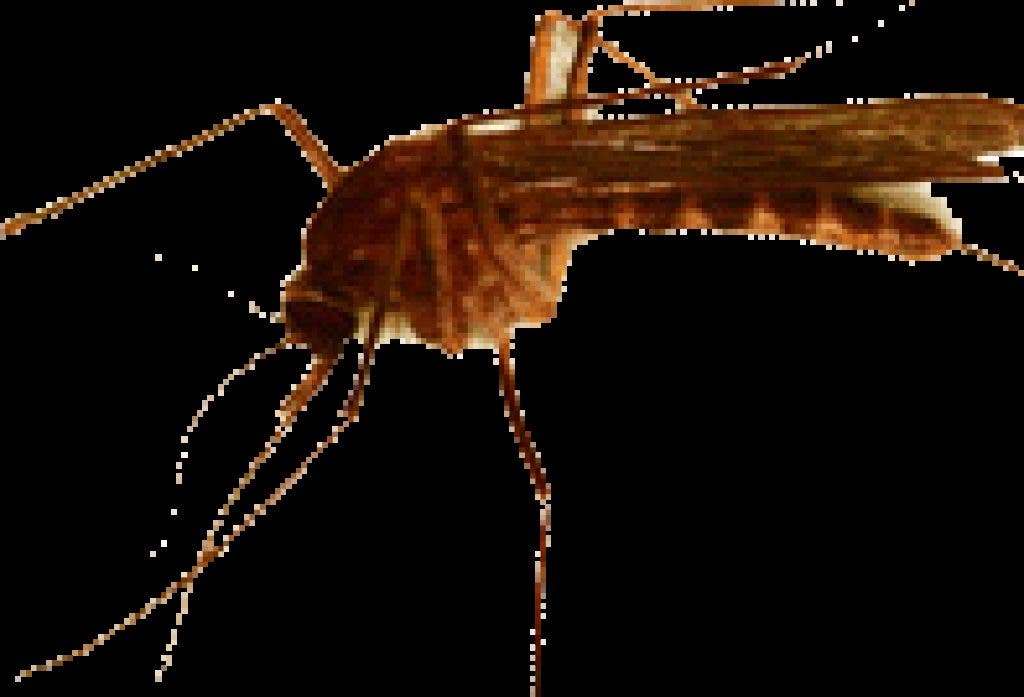
The Massachusetts Department of Public Health (MDPH) announced today that EEE virus has been detected in mosquitoes collected from Shrewsbury. In 2010, 3,558 mosquito samples were tested for EEE virus, and 65 positive samples were identified in Massachusetts. The mosquito-borne illness risk for Shrewsbury has now increased from “low” to “moderate.”
“EEE is a rare but serious illness spread by the bite of an infected mosquito,” said Derek Brindisi, Director of the . “In response to the detection of EEE the Central Massachusetts Mosquito Control Project will conduct a spraying this evening to reduce the number of mosquitoes in the affected area."
Find out what's happening in Shrewsburyfor free with the latest updates from Patch.
The following streets will be sprayed tonight:
- Angela Avenue
- Beverly Hills Drive
- Bluegrass Lane
- Cedar Road
- Dalphen Road
- Darren Drive
- Dorianna Avenue
- Dorianna Circle
- Fairfax Street
- Fairview Street
- Glavin Center
- Grace Avenue
- Harris Avenue
- Heath Road
- Heronwood Drive
- Highland Street
- Hillside Lane
- Howe Avenue
- Hylair Drive
- Industrial Drive
- Judick Street
- Kenda Circle
- Kenda Road
- Kinglet Drive
- Lake Street
- Lake Street Park
- Latura Street
- Linda Circle
- Marie Street
- Maury Lane
- Myriah Road
- Oak Street
- Oak Street Terrace
- Old Barn Road
- Old Cart Road
- Overlook Avenue
- Pal Drive
- Pleasant Street
- Redland Street
- Rivelly Street
- Robin Road
- Roman Drive
- Rucliff Street
- S. Quinsigamond Avenue (partial)
- Shannon Drive
- Sheridan Drive
- South Brook Street
- Tanager Drive
- Worthington Avenue
While EEE can infect people of all ages, people under 15 years of age or over 50 years of age are at greatest risk for serious illness. Residents are urged to take a few simple precautions to protect themselves and their loved ones.
Find out what's happening in Shrewsburyfor free with the latest updates from Patch.
Helpful Safety Tips:
- Avoid mosquito bites.
- Be aware of peak mosquito hours--the hours from dusk to dawn are peak biting times for many mosquitoes. Consider rescheduling outdoor activities that occur during evening or early morning. Otherwise, take extra care to use repellent and protective clothing.
- Clothing can help reduce mosquito bites. Although it may be difficult to do when it’s hot, wearing long-sleeves, long pants and socks when outdoors will help keep mosquitoes away from your skin.
- Apply insect repellent when you go outdoors. Use a repellent with DEET (N, N-diethyl-m-toluamide), permethrin, picaridin (KBR 3023), IR3535 or oil of lemon eucalyptus [p-methane 3, 8-diol (PMD)], according to the instructions on the product label. DEET products should not be used on infants under 2 months of age and should be used in concentrations of 30 percent or less on older children. Oil of lemon eucalyptus should not be used on children under 3 years of age. Permethrin products are intended for use on items such as clothing, shoes, bed nets and camping gear and should not be applied to skin.
Mosquito-Proof Your Home
- Drain standing water--mosquitoes lay their eggs in standing water. Limit the number of places around your home for mosquitoes to breed by either draining or getting rid of items that hold water. Check rain gutters and drains. Empty any unused flowerpots and wading pools, and change water in birdbaths frequently.
- Install or repair screens--some mosquitoes like to come indoors. Keep them outside by having tightly-fitting screens on all of your windows and doors.
“The Town of Shrewsbury continues to work closely with the MDPH and other agencies, and is taking the appropriate measures to make residents aware of the situation,” Brindisi said. “It is not our intention to create a sense of panic in the community, yet to advise residents once again to take the simple precautions.”
Information about EEE and reports of EEE virus activity in Massachusetts during 2010 can be found on the MDPH website. Recorded information about EEE is also available by calling the MDPH Public Health Information Line at 1-866-MASS-WNV (1-866-627-7968).
Get more local news delivered straight to your inbox. Sign up for free Patch newsletters and alerts.