Health & Fitness
How Somerville Is Responding To Coronavirus
While the risk to the public remains low, a top CDC official said it's only a matter of time before the virus spreads across the U.S.


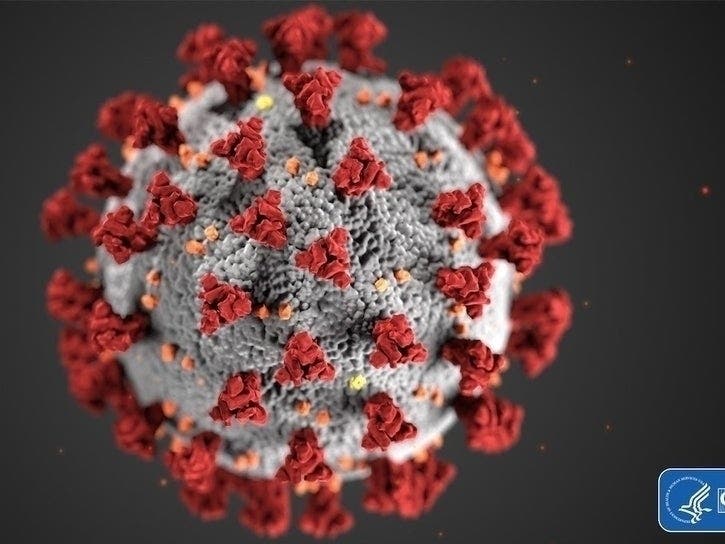
SOMERVILLE, MA — The Somerville Department of Health and Human Services is in contact with the Massachusetts Department of Public Health and regional health agencies about the coronavirus. The city's interdepartmental Emergency Response staff are monitoring reports and information about the virus, continue to follow all public health recommendations from the U.S. Centers for Disease Control and Prevention, state health officials and the World Health Organization.
Dr. Nancy Messonnier, director of the CDC's National Center for Immunization and Respiratory Disease, told reporters in a conference call last week the question is no longer if the coronavirus, now officially called COVID-19, will spread across the United States but when that will happen. As of Feb. 28, the risk to Somerville residents remained low.
The Health and Human Services Department, which includes Somerville's public school nurses, tracks illness in the schools and participates in regular conference calls to monitor emerging information and is prepared to respond to any updated directives from the CDC and MDPH.
Find out what's happening in Somervillefor free with the latest updates from Patch.
To date, state DPH actions include but are not limited to:
- Established an Incident Command Structure to facilitate regular dissemination of information from federal and state partners to statewide stakeholders.
- Launched a new website that provides up-to-date information on the status of novel coronavirus for all residents: https://www.mass.gov/2019coronavirus.
- Developed and disseminated clinical advisories to all Massachusetts health care providers and issued guidance to hospitals, health systems, and Emergency Medical Services.
- Scheduled calls with other key health care partners including local boards of health.
To date, city actions include but are not limited to:
Find out what's happening in Somervillefor free with the latest updates from Patch.
- Actively monitoring emerging information and we are prepared to respond to any updated directives from the CDC and MDPH.
- Posting updates on the City and school websites as new information becomes available.
- Reviewing and updating emergency preparedness protocols in the event the City needs to activate emergency dispensing sites or take any other recommended actions.
- Working closely with MDPH on a communication tool for local boards of health to disseminate updates as they become available.
- Coordinating an internal emergency response team.
Here's how the city recommends residents protect their health and prepare for the event that the virus spreads:
1. Be sure that you are fully informed of standard flu protocols -- and commit to truly following them. Precautions such as staying home if you have a fever of 100 degrees or higher, washing hands frequently, and covering your cough or sneeze with a tissue or your elbow are designed to prevent the spread of germs.
2. Prepare an emergency kit and complete an emergency checklist. An emergency kit is a collection of items you may need in an emergency. An emergency checklist helps you gather information you may need in an emergency. At all times, not simply as it relates to COVID-19, every household should have an emergency kit ready and should run through emergency checklists to be prepared for any unexpected emergencies. Kits generally include essentials such as food, water, medicine, power sources, paperwork, and other items to cover a 3-day period. With the COVID-19, it is recommended to consider a 2-week supply. Here are few links for with suggestions for your kit and checklists:
- Mass.gov Build an Emergency Kit
- CDC Emergency Kit and Checklist for Families
- CDC Personal Health Preparedness
3. Consider and prepare for what you may need if you or your children need to isolate or quarantine at home for an extended period. Current self-isolation and quarantine periods for COVID-19 have generally been 14 days or longer. In the event that you may need to self-isolate or quarantine, it is advisable to consider what you need at home under such circumstances and gather them. Emergency kit checklists, which as noted include items such as food and prescriptions, should be a good help in planning for your needs (see above).
4. If you are planning to travel, check CDC travel updates and guidance. We encourage anyone planning to travel to review the latest CDC travel guidance at https://www.cdc.gov/coronavirus/2019-ncov/travelers/index.html, which is updated frequently. As of Saturday, Feb. 29, there are warnings and alerts of various levels for China, South Korea, Japan, Italy, Iran and information posted regarding Hong Kong.
5. Do not hoard. While it is advisable to plan and prepare for your general emergency needs and possible quarantine, it is detrimental to overall public health if individuals hoard more resources than they need. For example, if one person hoards hand sanitizer or face masks that they can’t possibly use up alone, there may be another 10-20 people who will not have access and then may be more likely to spread germs to everyone, including the hoarder, making the risk of the virus spreading even greater for all.
6. Share facts, not rumors. Check the CDC, Massachusetts Department of Public Health, or other official government sites for updates.
7. Stay compassionate and remain true to our community values of welcoming and inclusion. There have been news reports of persons of Asian backgrounds experiencing incidents of discrimination due to COVID-19 news. No one should face discrimination or mistreatment based on a public health situation. Viruses do not discriminate.
Click here for the city of Somerville's updates on the coronavirus.
Get more local news delivered straight to your inbox. Sign up for free Patch newsletters and alerts.