By Dr. Jack Cornwell, CareWell Urgent Care
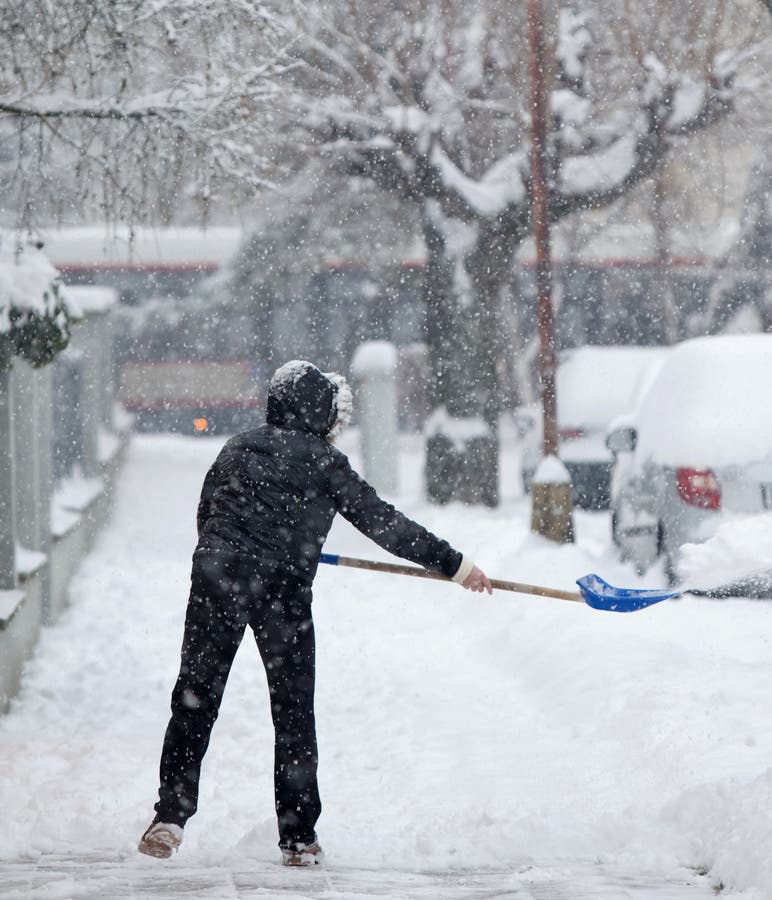
A picturesque snowy landscape, where activities like skiing, sledding and ice skating can joyfully take place, provides the backdrop for an ideal winter. The concept of a winter wonderland is a model version of how we wish for the season to play out. However, winter can be unpredictable, and we are often not prepared for the hazardous conditions that result.
The human body is conditioned to sense and respond to temperature, acclimating as necessary. When it is cold, the body works harder to regulate its internal temperature. So, when the weather drops below freezing, serious temperature-related risks such as frostbite and hypothermia, are more likely to occur.
Find out what's happening in Somervillefor free with the latest updates from Patch.
To stay safe, it is important to recognize the warning signs associated.
Frostbite
Find out what's happening in Somervillefor free with the latest updates from Patch.
Frostbite occurs when the skin, the fingers, toes, nose, ears, cheeks and chin, and underlying tissues freeze. This injury often starts with a cold prickling feeling, followed by numbness, and occurs in three stages.
- Frostnip-a mild form of frostbite that leads to numbness with continued exposure. Tingling and pain from warming the skin may occur.
- Superficial Frostbite-a type of frostbite that appears red on the skin and can turn white or pale. Swelling and blistering may appear with rewarming of the skin.
- Deep or Severe Frostbite-a type of frostbite that has progressed in which the tissue below the skin is affected. Skin can turn a blue or pale gray color and you can experience numbness, discomfort and lose all sensation of cold temperatures. Large blisters can occur after rewarming and the area can turn black, where the tissue has died.
Hypothermia
Hypothermia results when your body loses heat faster than it can produce heat, causing a dangerously low temperature. This condition, caused by exposure to cold-weather conditions or cold water, is a medical emergency as it causes your body temperature to fall below 95 degrees Fahrenheit, which can lead to the failure of the body’s heart and respiratory system.
The condition begins with shivering and worsens into the following symptoms:
· Slurred speech or mumbling
· Slow, shallow breathing
· Weak pulse
· Clumsiness or lack of coordination
· Drowsiness or very low energy
· Confusion or memory loss
· Loss of consciousness
· Bright red, cold skin (in infants)
Treatment of Frostbite & Hypothermia
Depending on the severity of the injury, frostbite can be treated at home. This recovery process can involve rewarming of the affected area, medications, wound care, surgery as well as various therapies. But, because there is variation and rewarming a frostbitten area is a sensitive practice, it is important to consult a doctor. Especially if you experience an increase of pain and swelling, redness and discharge, or fever. As for hypothermia, as symptoms develop, it is a challenge to remain self-aware, think and move and therefore extremely dangerous. If you find yourself or another at risk of hypothermia, call 911 immediately.
Preventative Measures for Frostbite and Hypothermia
Recognizing the signs and symptoms of frostbite and hypothermia are important steps to protecting yourself. However additional measures can be taken to ensure you stay safe and warm.
- 1.Wear several layers of light and comfortable clothing
- 2.Winter Accessories are a must
- 3.Stay Dry and Keep Moving
Loose layers help trap warm air, insulating your body from the cold. Windproof and waterproof outer garments, like a down parka, will protect against unfavorable winter elements like wind, snow and rain.
A hat and mittens trap heat where the vulnerable areas of the body, like ears and fingers, are located. Always wear socks and sock liners to protect your feet from moisture and make sure you wear waterproof boots.
Do not overexert yourself. When you are tired, tolerating cold becomes harder to do. Any moisture, like sweat, can aggravate the symptoms of hypothermia and frostbite. Keep moving to avoid prolonged exposure.
Braving the winter chill is better when you are prepared. If you are concerned that you are developing symptoms of frostbite or hypothermia, you can also visit a CareWell Urgent Care center near you for diagnosis and treatment.