Neighbor News
Tips on Hazing Coyotes
Good to know, just in case, but better to insist on a Coyote Response Plan
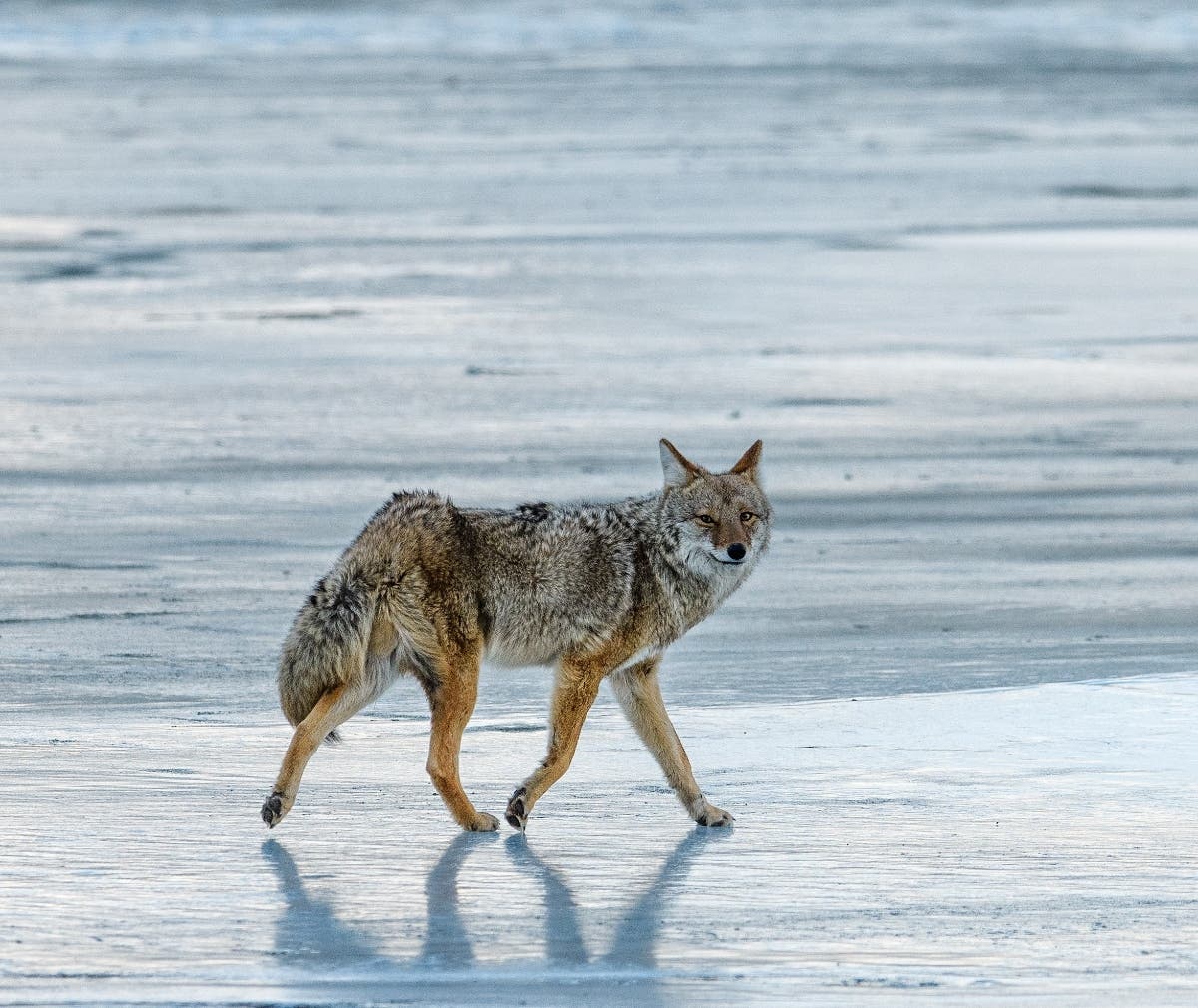
The rise of coyotes inhabiting urban and suburban areas typically brings an increase in their encounters with humans, especially in Spring when pups arrive. Considering that most of us are unfamiliar with larger wildlife, we should not be expected to manage their novelty without ongoing, real-time support from our respective municipalities.
Yes, the public must be made aware of the cause-and-effect relationship between human and coyote behavior, and every municipality has a duty to provide education that will help prevent negative interactions. However, authorities who leave members of a community to completely fend for themselves are shortsighted and irresponsible. Their disregard can create untenable situations that may lead to horrific outcomes for us, our companion animals, and the coyotes.
Imagine if your municipality’s officials expected you to be fully versed in self-protection when confronted by a prowler or a trespasser or a thief. You’ve been offered information on how to scare off the invaders. Feel comfortable? Consider Nahant, where Mass Wildlife, rightly or not, declared a public safety threat yet refused to train its first responders in investigatory and preventive measures that would ensure a sense of security for all who live there. Unfortunately, Nahant's not alone in its obstinacy.
Find out what's happening in Swampscottfor free with the latest updates from Patch.
Some of us, though not afraid of coyotes, are concerned that escalation of coyote activity will create misunderstanding, fear, and alarmism among the general public. Yet, with a thorough, well-run Coyote Response Plan, we can avoid all of that, while also allowing coyotes to live among us peacefully. Ask the people who run your municipality why they are forcing you to rely on yourself. Ask them for a comprehensive Plan that’s implemented and enforced.
Until then, I offer the following:
Find out what's happening in Swampscottfor free with the latest updates from Patch.
A FEW TIPS ON COYOTE HAZING
Coyotes have a natural apprehension of humans and are generally reclusive. But, coyotes in urban and suburban environments can be conditioned to tolerate our presence and the areas we consider our turf.
The conditioning happens when we humans intentionally feed coyotes, leave trash unsecured, or establish other attractants for them such as:
- bird feeder debris, which brings rats, who are coyotes’ favorite prey;
- small companion dogs in our yards;
- food left outside for companion animals or ferals;
- free-roaming cats;
- a dirty BBQ grille;
- chickens and ducks;
- shelter: wood piles, low-hanging shrubbery, accessible crawl spaces/holes.
Our behavior regarding attractants greatly influences coyote behavior.
Remove Attractant = Remove Coyote
Hazing is a humane aversion technique to scare off coyotes whom we have made more tolerant to us. Hazing reshapes their behavior to that state of natural apprehension.
Hazing is necessary and appropriate only when coyotes are bold by:
- cautiously approaching you;
- hanging around your yard;
- waiting/lying down in a public area, such as near the sidewalk, in a parking lot, around storefronts, etc.
DO NOT haze or approach a coyote that is:
· incautiously approaching you (may have rabies); Call Police/ACO;
· injured or appears sickly; Call Police/ACO;
· passing by at three or more car-lengths from you;
· occasionally cutting through your yard;
· in a natural habitat;
· with pups or near its den.
How to Haze:
Bold Coyote = Assertive Human = Coyote Gone
To be effective at hazing, make a show of confidence!
Do not run. Do not hide. Do not freeze.
The coyote(s) must watch your performance to equate crazy, uninviting behavior with a human.
1. The simplest method is:
· wildly wave your arms above your head;
· yell “HEYHEYHEY” or “GITGITGIT” in a loud, deep staccato;
· walk with determination toward the coyote(s);
· continue until the coyote(s) move along.
2. Props you may add to above, but typically aren’t necessary:
· whistle;
· party noisemaker;
· can with coins to rattle;
· small rocks, tennis balls, etc. (thrown near the coyote(s), not to harm;
· scare sticks (any garden stake: attach several mylar streamers);
· pots and pans to bang, if in your yard;
· hose to spray, if in your yard.
It is important to change up your methods, as coyotes will adapt to the same one used over and over. However, if you correctly do the first method a few times, you may need nothing else.
If you are walking a small dog, pick up the dog immediately, then begin hazing with the first method. With one arm in use to carry the dog, you may feel better with a can of coins or scare stick to supplement. You always have a loud voice available. DO NOT put down the dog until you are home.
- Never use extender leashes; the best is a 4-ft leash;
- Do not walk your dog near natural habitats;
- Do not leave a dog in a yard, even if you are nearby watching;
- Be extra alert when dog-walking within an hour of dawn or dusk.
For more information, contact Deb at deb4coyotes@gmail.com.