Arts & Entertainment
Wakefield Rep. Theater Holding Strong Despite Tough Economy
In spite of financial challenges that have caused other local community theaters to close, the Wakefield Repertory Theater has managed to hold on through the rocky economy.
In a sagging economy, one of the first sectors to feel the pinch is the entertainment industry. Couple that with the small budget of a local non-profit theater already operating close to its margins and you’re almost certainly talking about the death of local theater.
But not in Wakefield.
Luckily for the Wakefield community, the Wakefield Repertory Theatre has managed to stay financially stable through 2011 and into 2012, with a net income of more than $32,000 last year, according to the non-profit’s treasurer, Monica Bruno.
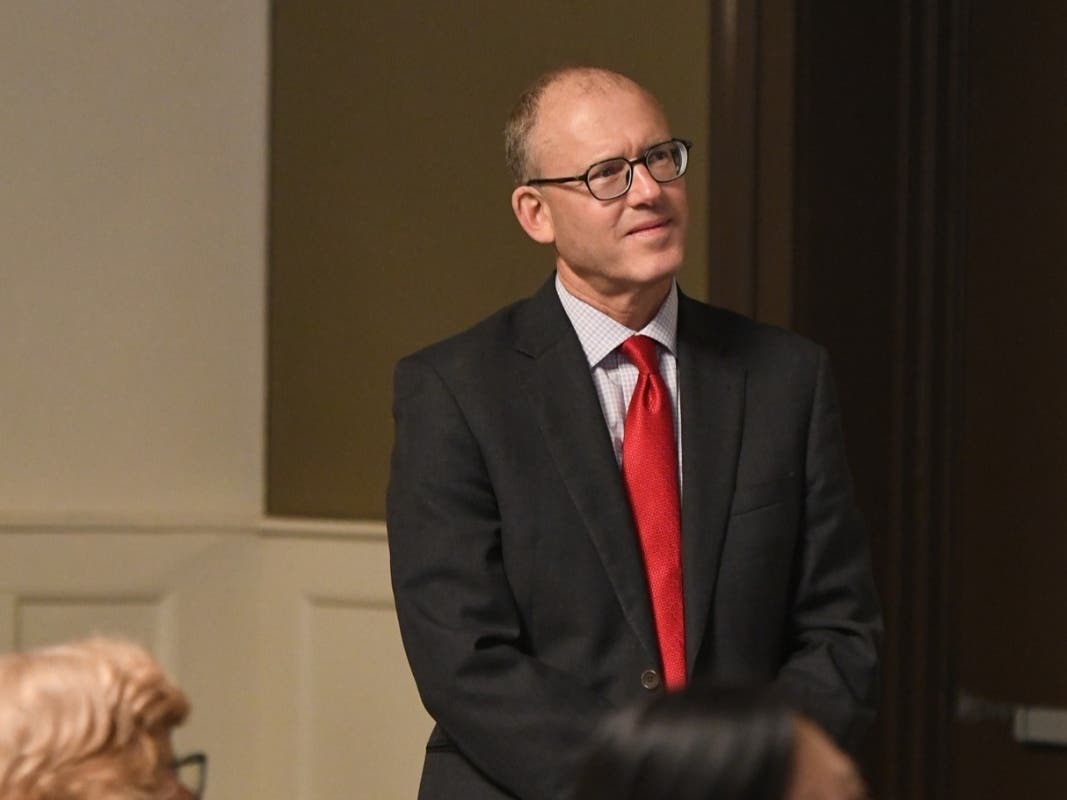
“Not all of our shows turned out as profitable as we expected, but overall, we’re staying afloat much better than most of the communities around us,” Bruno said at the theater’s annual meeting at the United Methodist Church on Vernon Street.
Find out what's happening in Wakefieldfor free with the latest updates from Patch.
Local Struggles
Recent years have not been kind to the Massachusetts theater community. The Blue Spruce Theatre, in Watertown, the North Quincy Community Theatre and the Merrimack Valley Players are just a few of the local theater companies currently on hiatus.
Rising rent costs, unemployment and the sheer number of groups in the area have presented challenges for local theater, said Rachel Fennell, president of the Eastern Massachusetts Association of Community Theatres.
Find out what's happening in Wakefieldfor free with the latest updates from Patch.
“We’re our own greatest audience,” Fennel said. As volunteer actors, directors and others involved in community theater have lost their day jobs, they don’t have the money to attend as many productions as they would like, she added.
Carving out a Niche
As it turns out, the key to where the Wakefield Repertory Theater has succeeded in the face of financial adversity has been its summer youth program, the Wakefield Repertory Youth Theatre.
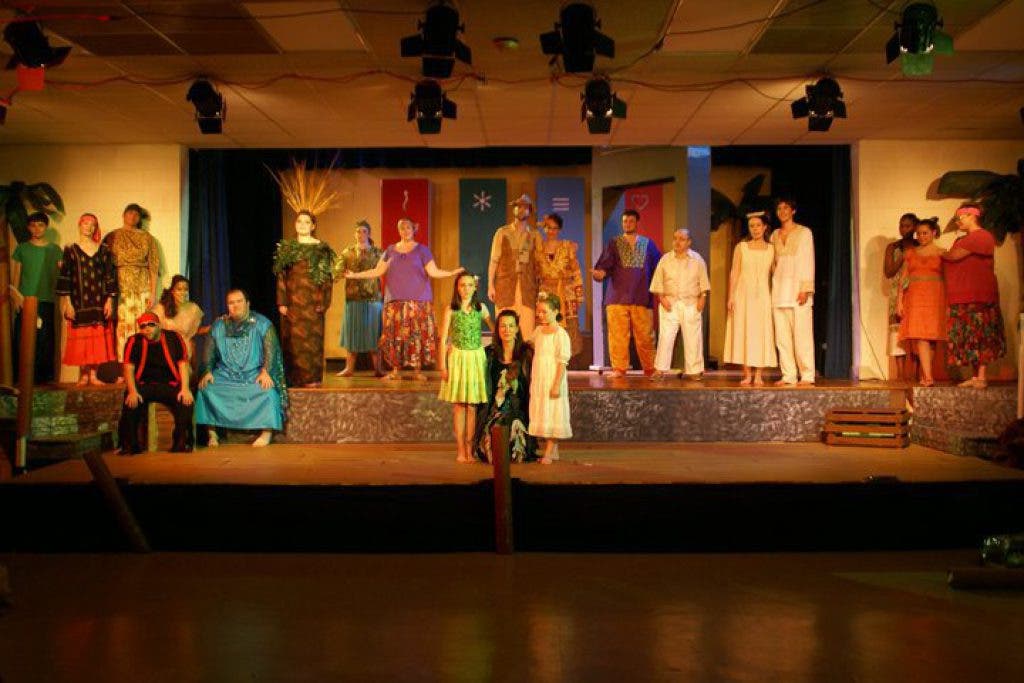
The program, which enters its 20th year this summer, runs for six weeks and is open to students entering grades five through nine. It teaches children every aspect of theater production from on-stage acting and dancing, to backstage set design and lighting, and concludes with a musical production staged by, and starring, the program’s kids.
As much as 70 percent of WRT’s annual income comes from the summer youth program, Bruno said. Unlike the productions WRT puts on throughout the year featuring a primarily adult cast, the summer program brings in money through student tuition and not just performance ticket sales.
Keeping the kids from the summer program involved throughout the year is important, Bruno said, because if a child actor from the summer program appears in an adult WRT show, the result is a bump in ticket sales.
“Suddenly, you have mom, dad, grandma, siblings and neighbors coming to see the production multiple times,” she said.
Pitching In
But the kids aren’t doing all the work. Actors at the WRT are required to sell at least five tickets and at least one $35 sponsor ad for the play’s program, and they also chip in with behind the scenes duties like set design.
“It’s very much an all-hands-on-deck endeavor,” Marissa Geller, an actress in WRT’s upcoming production of “Once Upon a Mattress.”
Geller will play both Lady Merrill and the Jester’s Father in the production. As this is just her third play appearance, she doesn’t foresee any problems selling tickets to friends and family.
“It’s still novel to them,” she said.
Looking Ahead
Despite WRT’s relative financial success, funds are still limited, and the group has had to make cuts over the past few years.
The WRT used to perform its musicals at the town’s middle school on its large stage, but the venue became too expensive and about five years ago the group was forced to downsize to the United Methodist Church and its smaller, but more affordable, stage, said Rob MacRobbie, president of the WRT board.
A permanent home for WRT is a dream shared by many of the theatre’s board members, including MacRobbie. But for now, that’s just a pipe dream, he said.
“We had started looking into purchasing different spaces, but we just don’t have the manpower or the funds to do it,” he said.
Bruno agrees.
To own a building, “you have to have an income of several thousand dollars a month,” she said. Event the successful summer youth program, she said, doesn’t net enough to pay a mortgage.
The WRT continues its 21st season with “Once Upon a Mattress,” at its current home, the United Methodist Church, on March 9, 10, 16, 17 and 18. “The Prince and the Pauper” will follow later in the year.