Politics & Government
Conservation Commission Approves Condos on Pleasant Street, With Stipulations
Soil degradation was a major factor for the Commission, as they mandated regular updates on the riverside property's conditions.
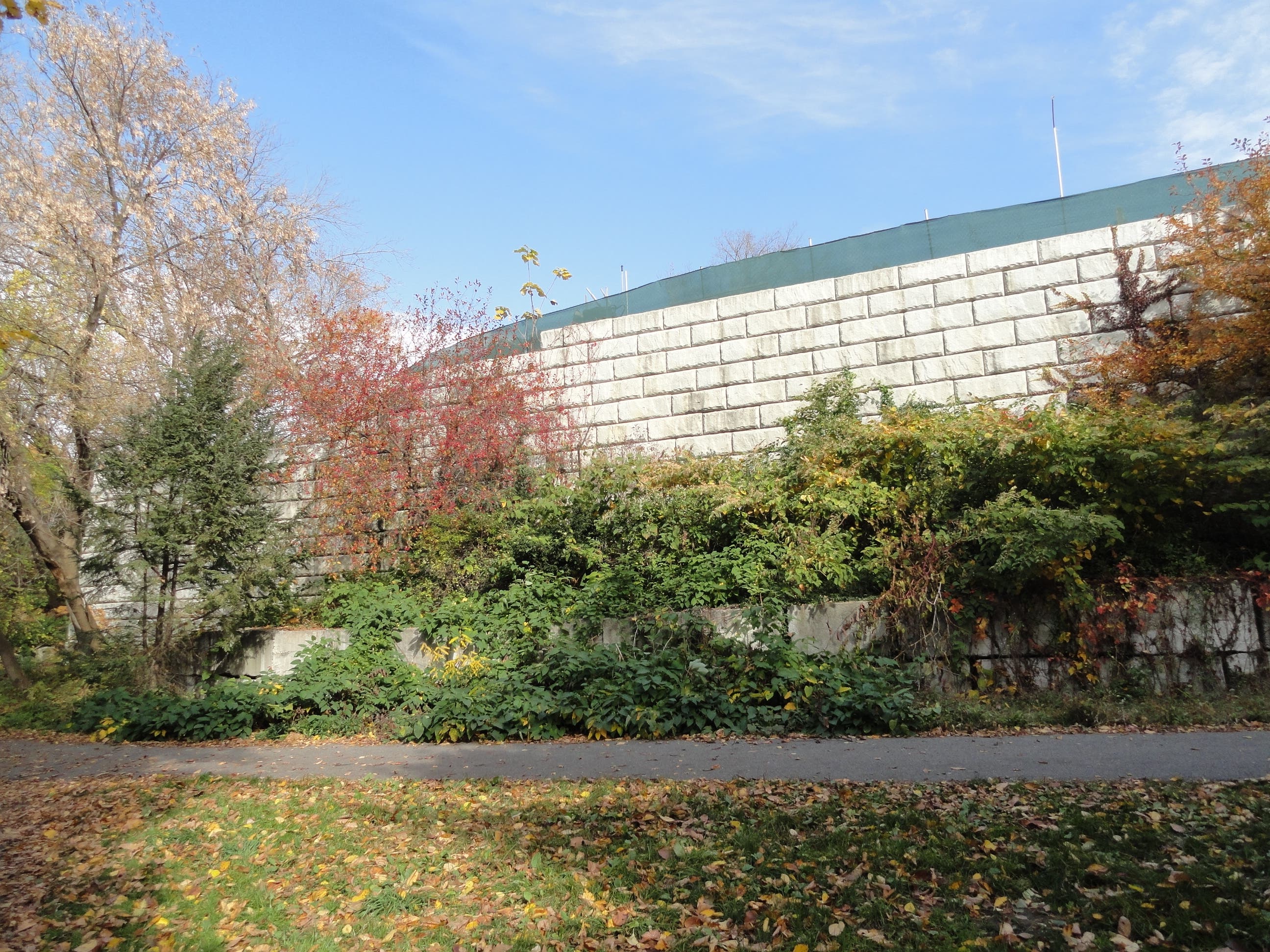

The Watertown Conservation Commission voted unanimously, Wednesday night, to give the necessary approvals for the 44-unit condominium complex at 140 Pleasant St. to move ahead.
The Conservation Commission's approval was the last major hurdle to the approval of the project. Last week the Zoning Board of Appeals gave its approval to the project.
The development required the filing of a Notice of Intent to the Conservation Commission. Because the property is located within 200 feet of the Charles River and is subject to the state's Wetlands Protections Requirements it required approval from the commission.
Find out what's happening in Watertownfor free with the latest updates from Patch.
According to the town's website, any activity that "includes any removal, filling, dredging, or alteration of the Resource Area" mandates the approval of the project by the commission.
The ambiguity of the construction plan turned out to be an issue to the members. The integrity of the soil on the site that was previously occupied by Dan's Auto Service, affectionately nicknamed "Dirty Dan's" by the local inhabitants, was a matter of concern. The members of Cresset Development could not be sure of the extent of soil degradation until further soil boring tests could be performed.
Find out what's happening in Watertownfor free with the latest updates from Patch.
"A site characterization is just that, so you can know how you're going to go in and tackle it," said Maria Rose, one of the Conservation Commission's members, "We're being put in a pickle."
One Commission member suggested that it seemed as though the developers were putting the cart before the horse. A Cresset Development representative claimed, however, that there was simply no way they could know the extent of the damage to the land until they were granted permission to proceed with further excavation and testing.
"This is what concerns me," said Marylouise McDermott, Chairman of the Commission, "What if you get down there and it is completely contaminated?"
The contamination to which she was referring was the discovery of oil on a small area of the property. Under state law, special procedures would need to be undertaken in order to address the removal and disposal of these hazardous materials.
"There's no plans for what we get to see," Rose said.
Stan Sadkowski had a solution to this issue.
"Let's require that we get copies of the RAM status reports," he said.
A RAM, or Release Abatement Measure, allows for the accelerated implementation of "prudent to do" remedial actions pertaining to the cleanup of minor releases of oil, according to the Massachusetts' state government website. With this added stipulation for the Conservation Commission's oversight of the property's soil status, unanimous agreement was reached.
The project was approved, "So long as we have monitoring on a regular basis," said Commissioner Patrick Fairbairn.
In addition to the regular updates on the soil conditions, the Commission is also requiring that retaining walls currently on the property are to be deconstructed and rebuilt including a bio-retention feature.