Politics & Government
OP-ED: Reining in Special Interest Tax Breaks
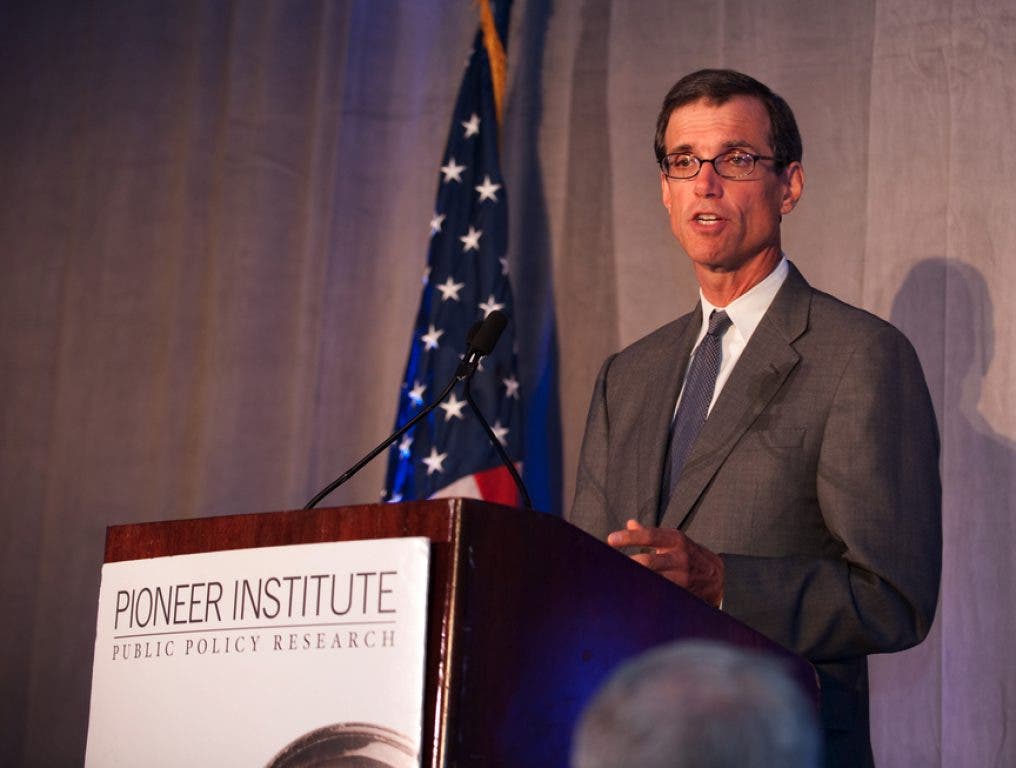
State Sen. Will Brownsberger writes that tax breaks for industries or groups should be brought under control


Many citizens would welcome lower taxes, but most also question the effectiveness of special tax breaks for particular groups or industries. Few government officials have the business expertise necessary to pick winners and losers in the economy.
Once in place, most special tax breaks recede into the obscure complexity of the tax code. Unlike direct spending, they don’t require an annual vote. Legislators, as a time management device, tend to focus on matters that will require them to take a vote. So, many tax breaks coast for years without much political scrutiny.
Find out what's happening in Watertownfor free with the latest updates from Patch.
Fortunately, we have recently started to make some progress towards bringing special interest tax breaks under better control.
In 2010, we enacted new rules that require disclosure of the recipients of tax credits that are transferable from one taxpayer to another, including credits like the film tax credit and the historic rehabilitation tax credit.
Find out what's happening in Watertownfor free with the latest updates from Patch.
The first report came out on June 4, 2012. It shows that taken together, the credits cost the state approximately $170 million in calendar 2011. There were 736 tax breaks awarded (fewer recipients — some got more than one break). However, the top 6 breaks account for over 1/4 of the total dollar amount.
The largest single credit, $11.6 million, went to Columbia Pictures Industries, Inc. a subsidiary of the Japanese conglomerate, Sony for shooting "Here Comes the Boom" in Massachusetts. The film was shot in 20 days in Massachusetts, mostly in Quincy High School — was that really an appropriate object of $11.6 million in state spending? Hopefully, the publication of individual tax credit amounts will sharpen the conversation about the wisdom of picking economic winners and losers through the tax code.
Another initiative to control tax breaks has recently come to fruition. In 2011, Representative Jonathan Hecht of Watertown and I, along with others, cosponsored a budget amendment filed by Representative Byron Rushing of Boston. The amendment was adopted with modifications and it created a Tax Expenditure Commission. While many commissions don’t produce meaningful results, the Tax Expenditure Commission, which recently completed its report, produced a wealth of information and some useful recommendations about how to decide which tax expenditures to preserve and which to sunset.
All tax measures must originate in the House and Speaker DeLeo had promised “no new taxes” at the start of the 2011-12 session, so it was clear that there would be no actual change in tax breaks in this session — a study was the best we could do. But in the legislative session that starts in January 2013, it may be politically possible to broadly address tax breaks. The House Chair of the Revenue Committee, Representative Jay Kaufman, has been a leader on the issue of tax breaks and played a critical role in the commission along with members of the Patrick administration. I think that we can count on him to continue to advocate action to narrow unreasonable tax breaks in 2013.
It’s important to note that eliminating tax breaks doesn’t necessarily mean increasing tax revenues — it could mean eliminating breaks for a few special interests while cutting tax rates for everyone. As a State Senator, I strongly support a thoroughgoing simplification of the tax code. That, in itself, would be worth doing because it would improve faith in government and, by lowering rates considerably, it would reduce temptations for people to do business under the table.
As I always, I appreciate feedback – my cell phone is 617-771-8274 and my email is willbrownsberger@gmail.com. Willbrownsberger.com offers a longer version of this piece and more information on this and other issues.
Get more local news delivered straight to your inbox. Sign up for free Patch newsletters and alerts.