Health & Fitness
Don’t Get Caught with your Plants Down
Early spring arrival means earlier start for garden tasks.
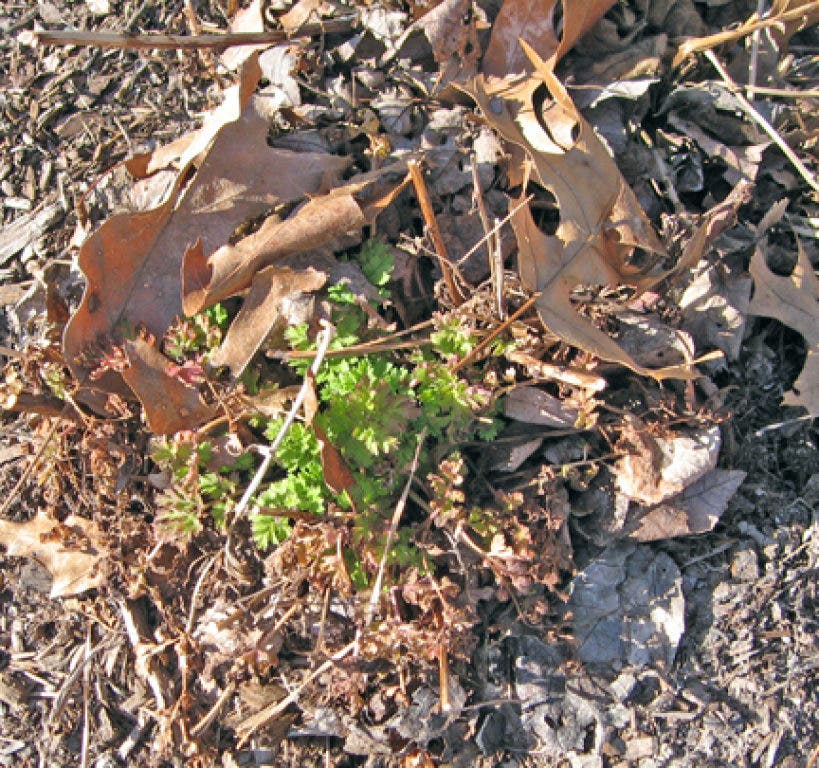

We are experiencing a historically mild winter. It’s still February. Buds are already swelling on forsythia and magnolias, and spring bulbs are peeking through soil that never really froze solidly. Springlike conditions are arriving three to four weeks ahead of schedule. Given this, gardeners need to get their priorities right sooner than usual.
Experience has demonstrated that timing is important for effective and efficient garden maintenance. Once blooms pop, it’s already late for many preventative garden tasks such as caterpillar control and some ornamental pruning. Successful organic crab grass control needs to be applied when the forsythia bloom. And if garden beds aren’t cleaned up before the perennials come fully out of dormancy, the job gets much more difficult as you must navigate your rake among the new growth of peonies, salvias and iberis.
Beyond bed cleaning, dividing, fertilizing and pruning, there are a few things that are ideally done in the early spring before plants fully come out of dormancy. Every year I meet with clients who have great ideas for landscape renovation, but they have missed the optimal window for transplanting existing woody plants and drastic rejuvenation pruning. Therefore they either must wait another year, or accept that the plant may not survive.
Find out what's happening in Waylandfor free with the latest updates from Patch.
This is an ideal time to transplant shrubs and trees.
Many species do not respond well when transplanted in the fall. They include birch, oak, willow, dogwood and American holly. However, all species are recommended for spring transplant. If you have any landscape renovations planned this year, you should consider transplanting existing shrubs and trees now, before they fully come out of dormancy.
Find out what's happening in Waylandfor free with the latest updates from Patch.
Drastic rejuvenation pruning is best done now.
When some woody ornamentals get old and leggy, rejuvenation pruning is a means to restore vigorous growth. Although it’s a good alternative to removing the shrub, the plant will often appear unattractive for a few years until the new
growth fills in. Be aware that boxwoods, junipers and most narrow-leaved evergreens do not respond well to this type of pruning.
So pull out your 2011 garden to-do task list and get started. The sooner you can attend to your gardens, the better the impact of your efforts.