Politics & Government
Fuller Brook Park Overhaul Planning Underway
Officials: Public input sought on how to replace about 100 trees, fix surface of park's path.


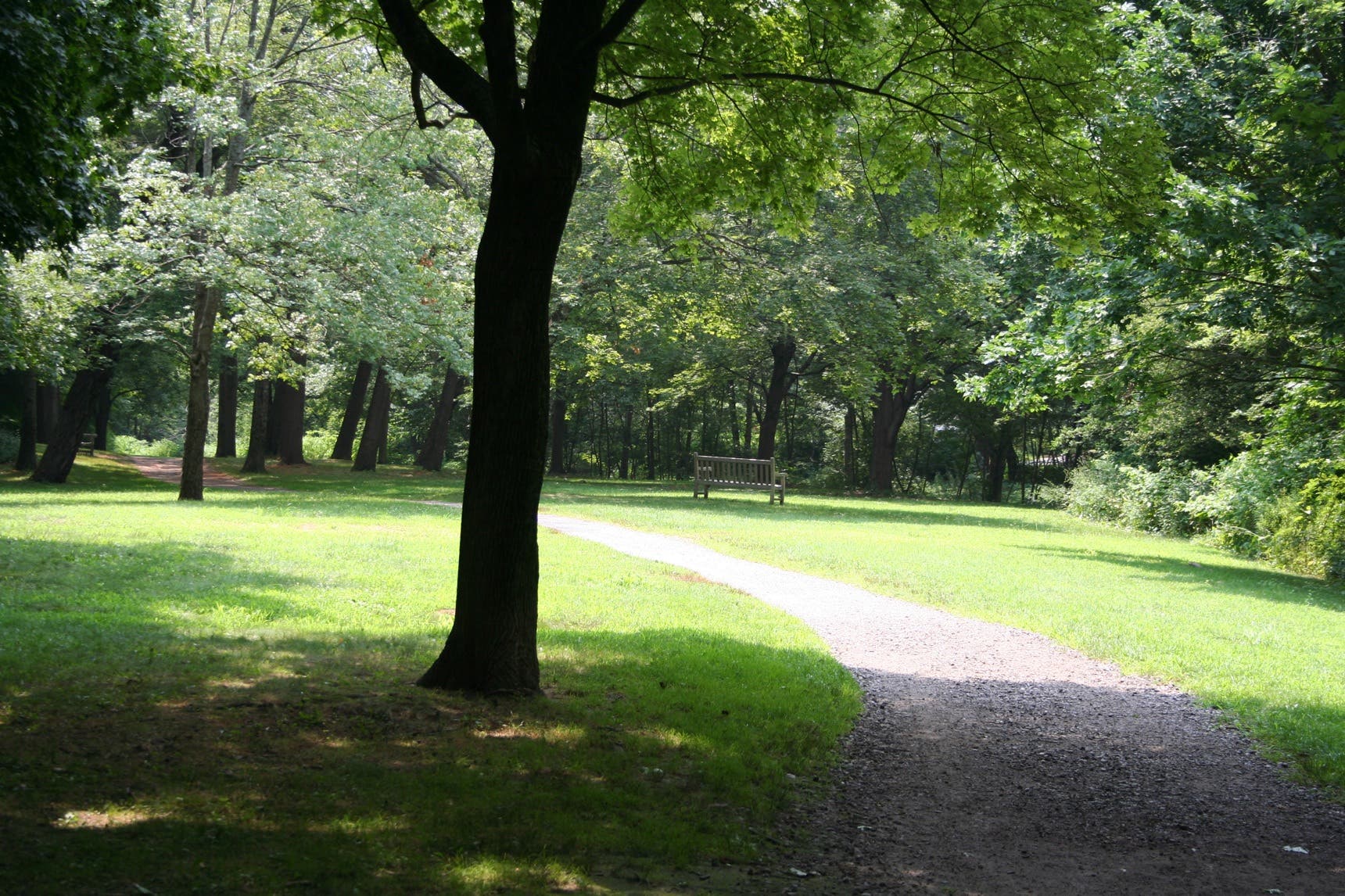


Officials are seeking public input for the design phase of an overhaul of Fuller Brook Park, including drainage, a fix for the path's surface and removal of about 100 trees.
The trees, said Natural Resources Commissioner Heidi Gross, may be familiar to people who use the path often, but many don't belong. They're specimens of invasive species - Norway maples - that are out-competing native plants and trees, contributing to erosion of the path. Smaller examples include weeds like Japanese Knotweed and Purple Loostrife.
Neal Seaborn, chairman of the NRC, said there are also "suspect" trees in that number which are in bad health and have to be taken out. All of the trees, he said, will be replaced with new, native species. The replacement trees will only range in size from 10 to 15 ft., Seaborn said, because larger trees don't usually survive replanting.
Find out what's happening in Wellesleyfor free with the latest updates from Patch.
The maples are contributing to erosion, Gross said, because they out-compete other species that help anchor soil, while doing little to compensate. Seaborn said the invasive tree roots hard-pack the soil, causing stormwater to run off instead of soak in to the area. That extra runoff in turn erodes the path, he said.
Stone pavers that line the brook also have to be taken out, said NRC Executive Director Janet Bowser. She pointed to a photo of tumbled pavers, some of them blocking part of the brook. "Here, they're doing nothing but harm," Bowser said. Those pavers back up the brook and cause flooding during heavy rain, she said.
Find out what's happening in Wellesleyfor free with the latest updates from Patch.
Seaborn noted there's no fix at the moment for the path's surface, which is paved with asphalt in some spots, and stone dust in others, and even wood chips in others. In some spaces, he said, the slope leading into the path presents a problem for handicapped access. The stone dust washes away with heavy rains, he said, and the asphalt is easily eroded by storm water.
"We don't have specific solutions right now," Seaborn said, but they're hoping to get residents' input on the problem as they determine possible changes to the path.
In April, Town Meeting approved the design phase of the project, which is using $250,000 from the Community Preservation Commission for survey and design.
The work is likely to be noticed, and not just by people who stroll through for leisure. The park is practically the back yard for about 120 households. It stretches along 2 and 1/2 miles and encompasses 25 acres.
Fuller Brook stream course, which includes Fuller Brook and Caroline Brook, flows east to west, said Seaborn. Fuller Brook Park begins at Maugus Avenue, crossing Abbot Road and Forest Street before the Caroline Brook stream course goes underground near Hunnewell Field, where it meets Fuller Brook before surfacing again at the skating pond as Fuller Brook. The park continues, crossing State Street, Wellesley Avenue, Brook Street, Grove Street and Cottage Street, ending at Dover Road. Fuller Brook continues from that point, Seaborn said, through the Nehoiden Golf Course at Wellesley College, into Waban Brook and finally the Charles River. The water way is a major part of the town's drainage system.
So, said Seaborn, one concern for the NRC is figuring out how residents would prefer to see work to spruce up the park begun, particularly removal of the trees. Would people prefer to see all the trees removed at once, Seaborn said, or in phases? The town also needs public input on how to solve the problems with the path's surface.
The NRC will be holding a series of public meetings to bring people up to speed on the project, and to get feedback on how residents would prefer to see the work done.
Fuller Brook Project meeting schedule:
Sept. 15, 7:30 p.m., Great Hall, Wellesley Town Hall. (1st Public Meeting: Presentation and Public Feedback on Issues, Opportunities and Goals)
Sept. 16, 9:30 a.m., Selectmen's Room, Wellesley Town Hall (Encore of first meeting, for those who missed Sept. 15)
Oct. 27, 7:30 p.m., Great Hall, Wellesley Town Hall (2nd Public Meeting: Presentation and Public Feedback on Preliminary Design Alternatives)
Oct. 29, 9:30 a.m., Selectman's Room, Wellesley Town Hall (Encore of second meeting for those who missed Oct. 27)
Dec. 15, 7:30 p.m., Great Hall, Wellesley Town Hall (3rd Public Meeting: Presentation and Public Feedback on Preferred Design Alternative)
Dec. 16, 9:30 a.m., Selectman's Room, Wellesley Town Hall (Encore of third meeting, for those who missed Dec. 15).
Get more local news delivered straight to your inbox. Sign up for free Patch newsletters and alerts.