Health & Fitness
West Nile Virus Found in Wellesley
West Nile has been detected across Greater Boston this summer.


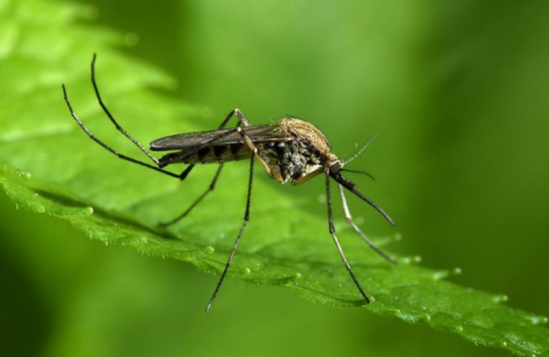
West Nile Virus, which is potentially fatal to humans, has been detected in Wellesley.
State health officials on Thursday announced a mosquito tested positive for the virus. West Nile has also been detected across the Greater Boston area. No human cases have been detected so far in Massachusetts. Last year, there were six cases.
“Protection includes using a mosquito repellent with an EPA-approved ingredient according to the directions on the label, using clothing to reduce exposed skin when weather permits, draining standing water to prevent mosquito breeding and repairing window screens to keep mosquitoes out of your home,” state health officials said in a statement.
Find out what's happening in Wellesleyfor free with the latest updates from Patch.
Find out what's happening in Wellesleyfor free with the latest updates from Patch.
What is Wellesley doing to address mosquito borne illness?
- Collaborating with MA Dept of Public Health, neighboring and regional health departments to monitor, test and address WNV and EEE in our region.
- Working with the Wellesley Department of Public Works on treatment of catch basins throughout the Town - Storm drains are targeted as a major breeding ground for the mosquito species Culex Pipiens, which is known to carry WNV. Storm drains throughout the Town are treated with a larvacide (a growth inhibitor) once or twice during the breeding season.
- Continuing our partnership with East Middlesex Mosquito Control Project (EMMCP) EMMCP is responsible for seasonal monitoring of mosquito populations, ditch maintenance, as well as larvaciding of wetlands and breeding areas throughout Town. Dead Birds are No Longer Collected for Testing. If you discover a dead bird on your property, do not touch it with your bare hands. Carefully dispose of it by double bagging it using gloved hands or a shovel. You may place it in your regular trash. You do not need to notify the local or state Health Department, Police or Animal Control Officer.
- More information is available on Wellesley Health Department’s website
Photo: Shutterstock
Get more local news delivered straight to your inbox. Sign up for free Patch newsletters and alerts.