Politics & Government
A New Approach To Mental Health and Substance Use Treatment
New law will promote and strengthen our behavioral health system and increase options for substance abuse treatment.


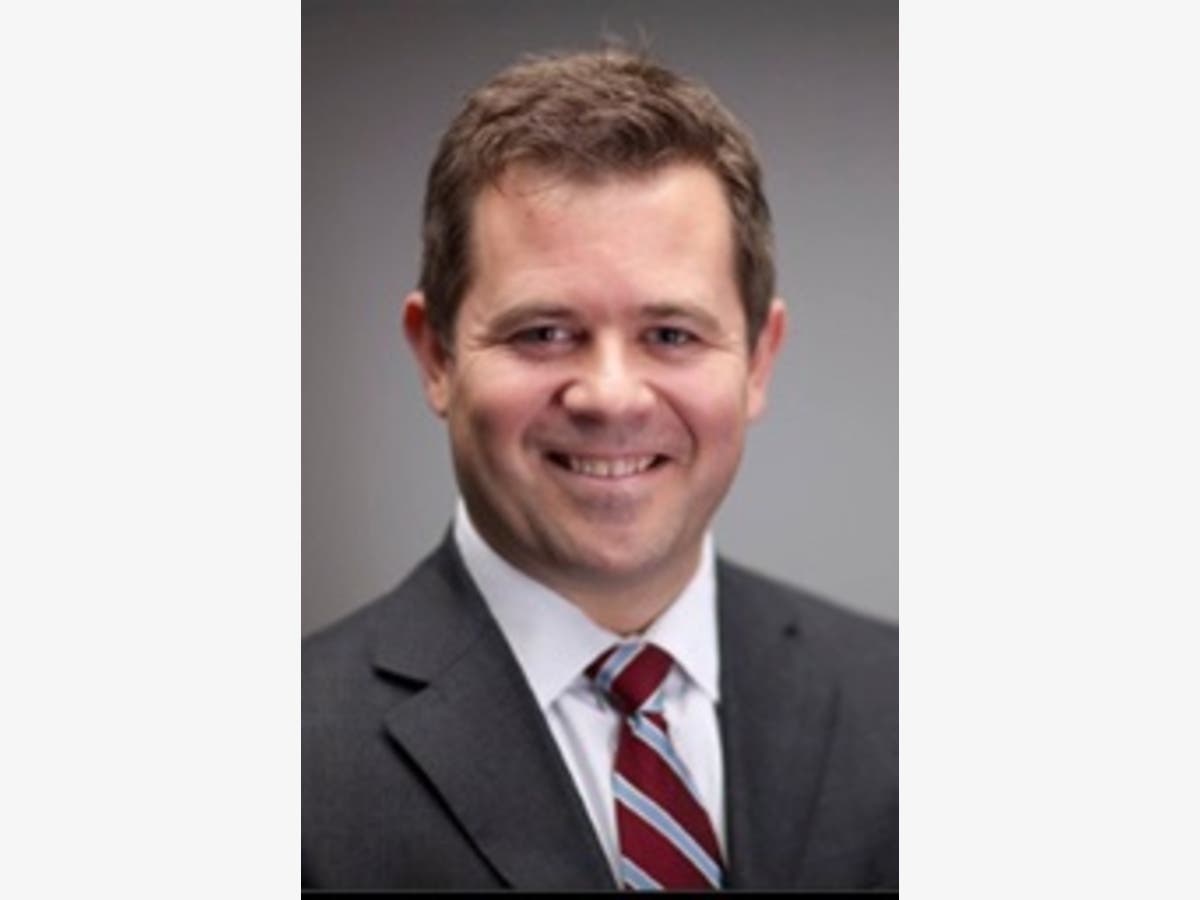
A release from State Representative Michael Day:
Every single one of us is affected by mental health issues and substance use disorder. I am very encouraged by the efforts undertaken by the coalitions for safer communities in our towns and various initiatives in our schools. Clearly, though, these issues do not stop at a town line, and we must continue to improve our statewide approach. That is why I am proud to share news of the passage of a law that will do just that.
Working closely and cooperatively with stakeholders from the recovery community, Governor Baker’s Administration and medical professionals, we in the Massachusetts Legislature recently passed a comprehensive law designed to modernize and improve our society’s approach to mental health and substance use disorder. The law will promote and strengthen our behavioral health system, increase options for substance abuse treatment and improve our recovery system throughout Massachusetts.
Find out what's happening in Winchesterfor free with the latest updates from Patch.
We recognized that the drug crisis that continues to claim lives is inextricably intertwined with mental health. We also recognized that our state’s mental health system is not adequately equipped to address the heightened needs of treating individuals in recovery and that we do not have enough mental health facilities, treatment providers or oversight of those prescribing opiates. To begin to address this part of the problem, we strengthened the Department of Mental Health and Department of Public Health licensing authority over mental health and substance use treatment facilities and provided the departments with greater enforcement authority to require improved quality of care. We also require facilities to accept MassHealth coverage on a non-discriminatory basis, so that everyone seeking care can receive care. We are phasing in electronic prescriptions for all controlled substances, with limited exceptions, and we have established remote consultation programs enabling primary care and other providers to consult experts in pain management and substance use disorder.
The development of targeted opioids and other advances in pain management have brought meaningful improvements to the quality of life of many individuals with chronic pain and those in need of palliative care. However, the strength of many of these drugs and the irresponsible marketing of them by many pharmaceutical companies has contributed to the opioid epidemic.
Find out what's happening in Winchesterfor free with the latest updates from Patch.
In this legislation, therefore, we created the Community-Based Behavioral Health Promotion and Prevention Trust Fund to support evidence-based and evidence-informed programs for children and young adults. We also expanded access to non-opioid treatment options for pain management, prohibited discounts and rebates for certain prescription opiates, and allow individuals who “partial fill” their prescriptions to fill the remainder as needed without further co-pays. Further, we now require that providers check the Prescription Monitoring Program, a statewide prescription database, prior to issuing any prescription for benzodiazepines in addition to opioids. Finally, we created a special commission to study ways we can strengthen
Massachusetts consumer protection laws to hold pharmaceutical corporations responsible for their role in the opioid epidemic.
While attempting to address systemic problems in our mental health and pain management systems, we also improved our care for those who care for us. We have enabled our law enforcement agencies and local governments to purchase Narcan at a lower cost through the state’s bulk purchasing program. This drug not only saves the lives of those in overdoes, it has now become a tool necessary to protect the lives of our first responders themselves who may overdose simply by coming into contact with Fentanyl or Carfentanil. We also established a Center for Police Training in Crisis Intervention to support mental health and substance use crisis response training programs for law enforcement, providing them with the tools needed to
respond appropriately to behavioral health crises.
Finally, we recognized that our approach to mental health and substance use must be evidence-based. That is why we require emergency rooms and mandated treatment facilities to provide patients with access to medication-assisted treatment and why we have established commissions charged with making recommendations for the certification of Recovery Coaches and harm reduction strategies that will engage people at all stages of recovery.
The battle continues, but I am confident that the law we just passed will prove to be an important
step forward for all of us.
Get more local news delivered straight to your inbox. Sign up for free Patch newsletters and alerts.