

There have been a number of stories in the media recently about pets that have been reunited with their owners, sometimes many years after they were lost. Stories that make us happy to know that a lost pet has been found and can live out the rest of their years being loved. We feel relief for the owner that no longer worries about their pet, and joy for the pet that is safely at home. What we sometimes forget about is how this reunion was possible - many of these stories would not have happened if these pets were not microchipped.
So why should you get your pets microchipped? You’re careful with your pets, you keep your cat indoors or you’re sure that your indoor/outdoor cat doesn’t go far. You keep your dog on a leash, and when he’s off-leash he always comes when called. We have to remember that accidents do happen – your dog slips his collar and runs away, or the cable guy leaves your door open a second too long and your cat escapes. The sad fact is that without a microchip, the chance of your pet being returned after it is found is slim. Collars and tags fall off, microchips are forever. Once your pet is found, without proper identification he could be adopted out to another family, or worse, euthanized in an over-crowded shelter.
Microchips do not hurt your pet, are inexpensive and are not active devices that constantly transmit signals. Having a microchip implanted does not hurt your pet any more than a standard vaccination. The chip is about the size of a grain of rice and is implanted just under the skin between the shoulder blades. Pet owners pay a one-time fee that generally includes implanting the chip and registering it with a national database. Database information includes the pet owner’s name, address and telephone, current veterinarian, as well as the pet’s breed, age, photo, etc. The only time a microchip actually transmits a signal is when it is being passed over by a scanner specifically designed to read microchips. After the chip is implanted, the only upkeep owners need to do is to update their contact and vet information if there are changes. The pet is registered for life.
Find out what's happening in Woburnfor free with the latest updates from Patch.
Now that microchipping has become a common practice, some animals are chipped before being adopted out to their forever homes. For those that are not, pet owners can make an appointment with their veterinarian to have their pets microchipped. Many local rescue groups, including Merrimack River Feline Rescue Society (next clinic is June 22) and MSPCA Nevins Farm, as well as Petco and Petsmart (Banfield), also offer microchipping services and low-cost clinics. Contact the clinic nearest to you for more information.
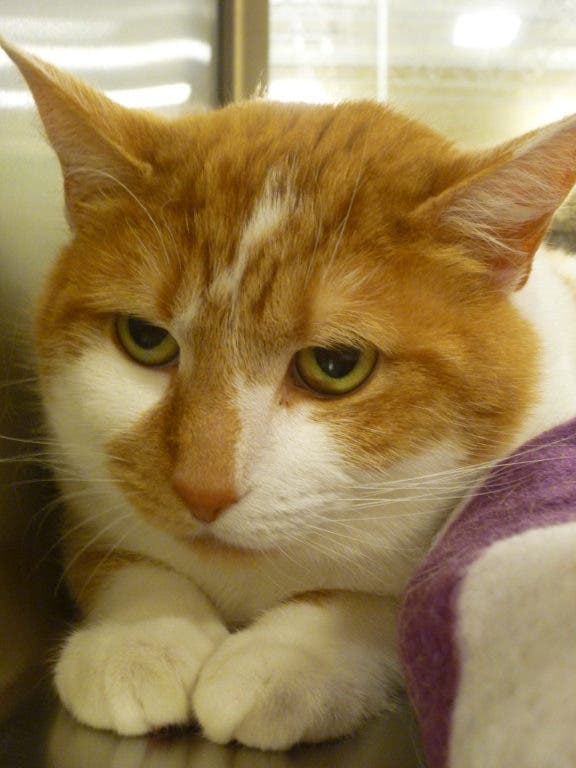
All of WFCC’s cats and kittens are microchipped, spayed/neutered, vaccinated for rabies & FVRCP, dewormed, and combo tested for FIV/Felv before they are adopted.
Find out what's happening in Woburnfor free with the latest updates from Patch.
To learn more about Woburn Feral Cat Coalition or any of the cats available for adoption, visit our website at www.woburnferalcats.org. Follow us on Facebook here.