Crime & Safety
Daylight Saving Time: Change Your Smoke Alarm Batteries With Your Clocks
The Bloomfield Township Fire Department is among emergency first responders across the country reminding people of an important precautionary measure.


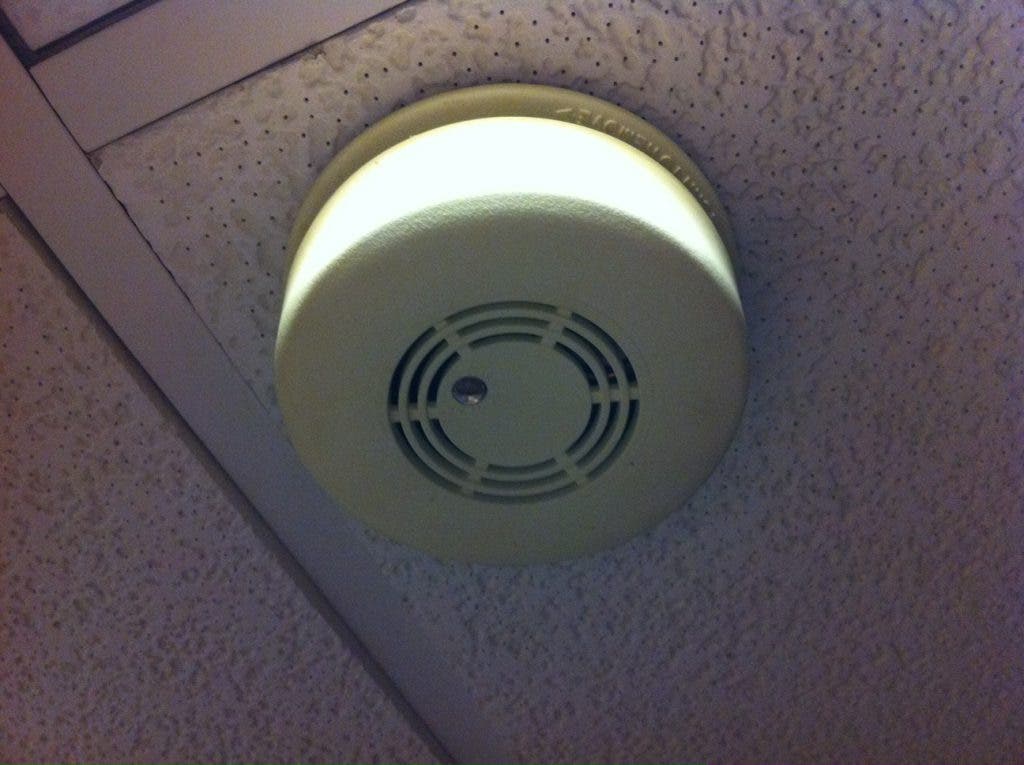
You've change your clocks (hopefully!) for Dayligt Saving Time, but the Bloomfield Township Fire Department wants to also remind residents of the importance of changing the batteries on home smoke detectors.
Both today and the end of Daylight Saving Time (November) are opportune times to check and change batteries in smoke and other detectors in your home, the department mentioned on its Facebook Page.
Find out what's happening in Bloomfield-Bloomfield Hillsfor free with the latest updates from Patch.
"Make sure that your smoke and carbon monoxide detectors have fresh batteries and are up to date," the message stated. "If your detectors are not interconnected consider replacing them. It’s a small price to pay for the extra time it will provide."
A report issued by the National Fire Protection Association (NFPA) in September of 2011 indicates that from 2005-2009, approximately two thirds of home fire deaths resulted from fires in properties without working smoke alarms. Smoke alarms usually fail due to missing, disconnected or dead batteries. People often remove or disconnect batteries because of nuisance activations – a chirping sound that warns of a low battery.
Find out what's happening in Bloomfield-Bloomfield Hillsfor free with the latest updates from Patch.
“Smoke alarms cut in half a family’s risk of dying in a home fire – but only if they work,” Michigan State Fire Marshal Richard Miller said in a news release. "Many homes still have only one smoke alarm and that is simply not enough. There should be working smoke alarms on every level of the home, in every bedroom and in the basement.”
Miller also said the peak time for home fire deaths is between 10 p.m. and 6 a.m., and that an average of three children per day die in home fires of which 80 percent did not have working smoke alarms.
What to do?
The State Fire Marshal along with the NFPA recommends the following:
- Choose a smoke alarm that bears the label of a recognized testing laboratory.
- Install smoke alarms inside every bedroom, outside each sleeping area and on every level of the home, including the basement.
- Hardwired smoke alarms are more reliable than those powered solely by batteries.
- For the best protection, interconnect all smoke alarms so when one sounds they all sound.
- Use both photoelectric and ionization smoke alarms or combination ionization and photoelectric alarms, also known as dual sensor alarms. An ionization smoke alarm is generally more responsive to flaming fires and a photoelectric smoke alarm is generally more responsive to smoldering fires.
- Buy newer models of smoke alarms with lithium batteries that will last the life of the unit.
- Replace all smoke alarms every 10 years or sooner if they do not respond properly when tested.
- Test all smoke alarms at least once a month by using the test button.
- Replace batteries once a year.
For more information on smoke alarms and safety tips, visit the NFPA website at www.nfpa.org/smokealarms.
Get more local news delivered straight to your inbox. Sign up for free Patch newsletters and alerts.