Politics & Government
Congress Launches Inquiry Into Flint Water Crisis, $80M Aid Approved
Emails show Michigan Gov. Rick Snyder knew of state's role in crisis in September.


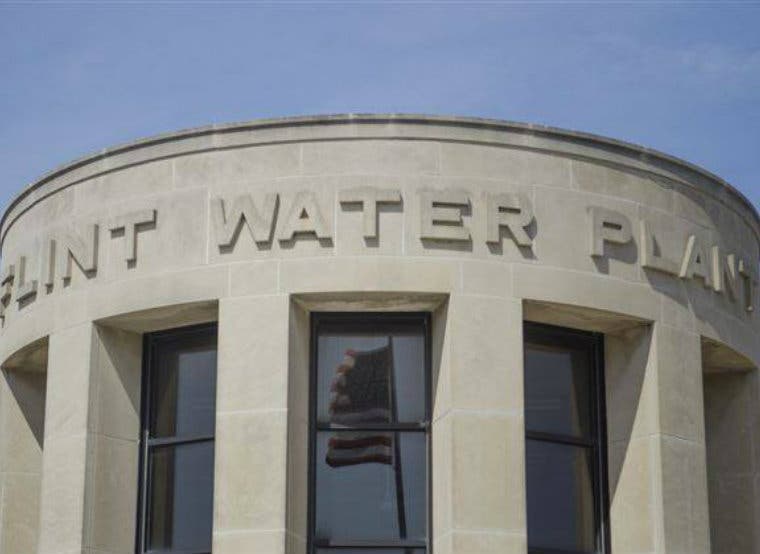

WASHINGTON, DC – Michigan Gov. Rick Snyder is expected to testify before Congress next month in House Oversight and Government Reform Committee hearings on the Flint water crisis, the office of U.S. Rep. Brenda Lawrence, D-Southfield, said Thursday.
Also on Thursday, President Barack Obama announced an $80 million federal aid package to help Flint families deal with the water contamination, U.S. Sen. Debbie Stabenow, D-Lansing, told The Detroit News.
Find out what's happening in Bloomfield-Bloomfield Hillsfor free with the latest updates from Patch.
Obama, who declared a federal emergency in Flint and Genesee County on Saturday, originally offered $5 million — far short of the $96 million Snyder had requested. Snyder appealed the rejection Wednesday.
Announcement of the congressional inquiry into the crisis and the federal aid package came a day after Snyder released a 274-page document containing emails and other correspondence that showed he learned in late September of the state’s responsibility in the crisis.
Find out what's happening in Bloomfield-Bloomfield Hillsfor free with the latest updates from Patch.
Snyder has apologized repeatedly for the state government’s handling of reports showing that residents were exposed to dangerous levels of lead when the city switched its water source from Lake Huron to corrosive water from the Flint River in 2014.
According to the documents released Wednesday, former chief-of-staff Dennis Muchmore advised Snyder, Lt. Gov. Brian Calley and gubernatorial aides in a Sept. 25 email that former State Treasurer Andy Dillon allowed Flint to make the switch to the Flint River in a cost-cutting move while the city was under the control of a state-appointed emergency manager.
“I can’t figure out why the state is responsible except that Dillon did make the ultimate decision so we’re not able to avoid the subject,” Muchmore wrote.
Other emails also shed light on the state’s role in the crisis, including acknowledgement that state DEQ tests failed to identify increasing lead levels in children and the agency’s failure to require corrosion controls on Flint River water that would prevent lead from leaching from aging pipes and infrastructure.
Whistleblowers Also Asked to Testify
Lawrence, a ranking member of the House Committee on Oversight and Government Reform Subcommittee on Interior, formally requested a congressional inquiry into the public health crisis earlier this month. In a letter to the members of the committee, Lawrence called the crisis “a man-made disaster created by the poor policy decisions of elected and career government officials.”
Others invited to testify include whistleblowers Dr. Mona Hanna-Atissha, a pediatric doctor at Hurley Medical Center in Flint, whose findings of elevated lead levels in children’s blood triggered outside investigations into the crisis; and Virginia Tech Professor Mark Edwards, a specialist who brought a team to Flint to study the level of lead in the city’s drinking water, the Detroit Free Press reports.
Also asked to testify are former Michigan Department of Environmental Quality director Dan Wyant, who resigned in December, EPA Region 5 Director Susan Hedman and Flint Mayor Karen Weaver.
Most of the blame for the mishandling of the crisis has been born by the Michigan Department of Environmental Quality. In December, Snyder accepted Wyant’s resignation after the Flint Water Advisory Task Force found the agency was “primarily responsible” for failing to ensure the drinking water was safe.
The task force is still looking into the situation, but said in a preliminary report that the DEQ failed in three fundamental ways: a regulatory failure; failure in substance and tone in its response to the residents of Flint; and failure to properly interpret lead and copper rules.
“The city of Flint’s citizens … were needlessly and tragically exposed to toxic levels of lead through their drinking water supply,” the task force concluded. “The Flint water crisis should never have happened.
»You can read Snyder’s correspondence on the Flint financial emergency and water crisis here.
Get more local news delivered straight to your inbox. Sign up for free Patch newsletters and alerts.