Health & Fitness
Control diabetes before it controls you
There are about 26 million people with diabetes in the U.S. and as many as 48 million who are pre-diabetic—that is, people who will become diabetic in a decade if they don't make some changes...
Sometimes the job and the personal life blend in to one.
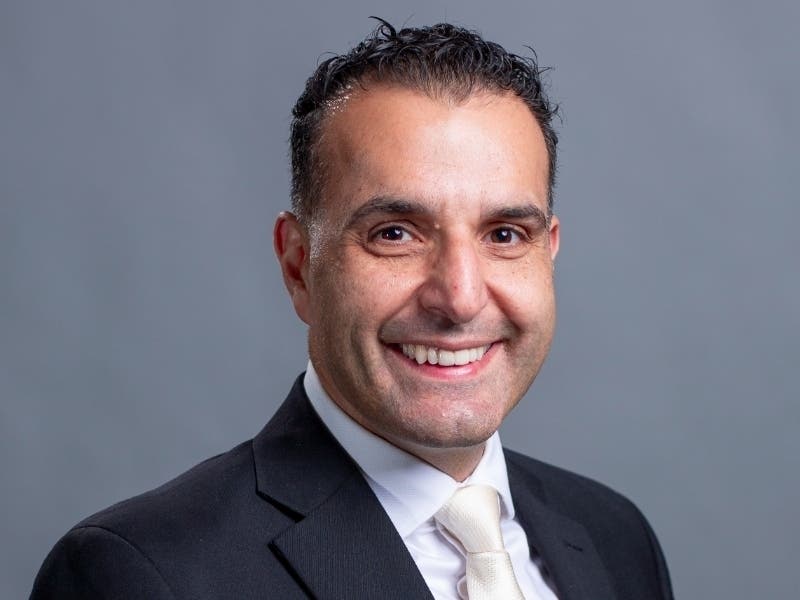
Take Tuesday for instance. In honor of Diabetes Alert Day—the fourth Tuesday of every March—I coordinated an interview for Fox 2 with Dr. Opada Alzohaili, an Oakwood-affiliated diabetes specialist. He is well-versed in the topic and I know that from personal experience, because he also happens to be my personal doctor. He’s helped me come to grips with the condition and has some advice for those who have it and those who might have it.
Diabetes Alert Day is designed to help those who are at risk for diabetes make the changes in their lifestyle that will keep them from becoming diabetic. There are about 26 million people with diabetes in the U.S. and as many as 48 million who are pre-diabetic—that is, people who will become diabetic in a decade if they don’t make some changes, Alzohaili estimated.
Find out what's happening in Dearbornfor free with the latest updates from Patch.
With a growing number of children becoming obese, sugar-related conditions could soon become an epidemic. With a few relatively simple changes—and an iron will, based on my personal experience—you can ward off that potential epidemic.
“ With diabetes, 99 percent of the treatment is you. The doctor can suggest, can help, can tell you what to do but 99 percent of the work is you,” he said. “You are the one that has to change your lifestyle. Diabetes is an annoying disease, but it can be controlled. It’s not curable, but it’s controllable. You can have a normal life with diabetes.”
Find out what's happening in Dearbornfor free with the latest updates from Patch.
The first step is discovering if you’re at risk. People with a family history are generally considered at risk as well as certain ethnic groups, particularly African Americans and Hispanics. Weight and lack of activity are the largest contributing factors.
One simple way to tell if you are pre-diabetic is if you’re frequently thirsty or have a strong urge for sweets about two hours after a meal (when, ironically, your blood sugar is at its highest levels). There are other symptoms, too, such as bouts of lethargy and burst of irritability which can signify changes in blood sugar levels.
In early stages, it’s easy to handle. The best thing you can do is to exercise.
“Exercise is the best drug,” Alzohaili told me once. Okay. More than once. He’s actually told me that a few times because I’ve been resistant to it—at least to the kind of exercise that is most helpful in controlling blood sugar levels. I walk a lot, usually between three and four miles a day, and that will obviously improve your health. Strength-building exercise is more effective because as your muscles grow, they burn more sugar and help keep your numbers in line.
You don’t have to be a body builder. You don’t need to use dumbbells the size of Volkswagens or anything like that. Pushups will help, as will sit ups. So will light curls with resistance bands. The key is to do something.
This is something I learned the hard way despite repeated advice and a log book filled with numbers that stayed stubbornly above the 150 mark. I still resisted. I needed a deadline, and that came after my most recent visit with Dr. Alzohaili, in which he suggested mixing in some other medication in addition to what I’m already taking to get the numbers down. I made up my mind to rearrange my schedule and fit in some additional workout—again, nothing major, just push-ups, sit-ups and a kettle ball—and have since seen a drop of about 40 points, on average.
If it works for me, it may work for you, too. Keep in mind that it might not happen overnight (and it probably won’t) and everyone is different. My results may not be your results. It’s a complex carbohydrate world out there, and it takes time and experimentation to figure it out.