Health & Fitness
Jewelry Tips: Pearls–What You Need To Know
Pearls–the only gem made by a living animal, and one of the oldest gems a elegant and classic piece of jewelry.

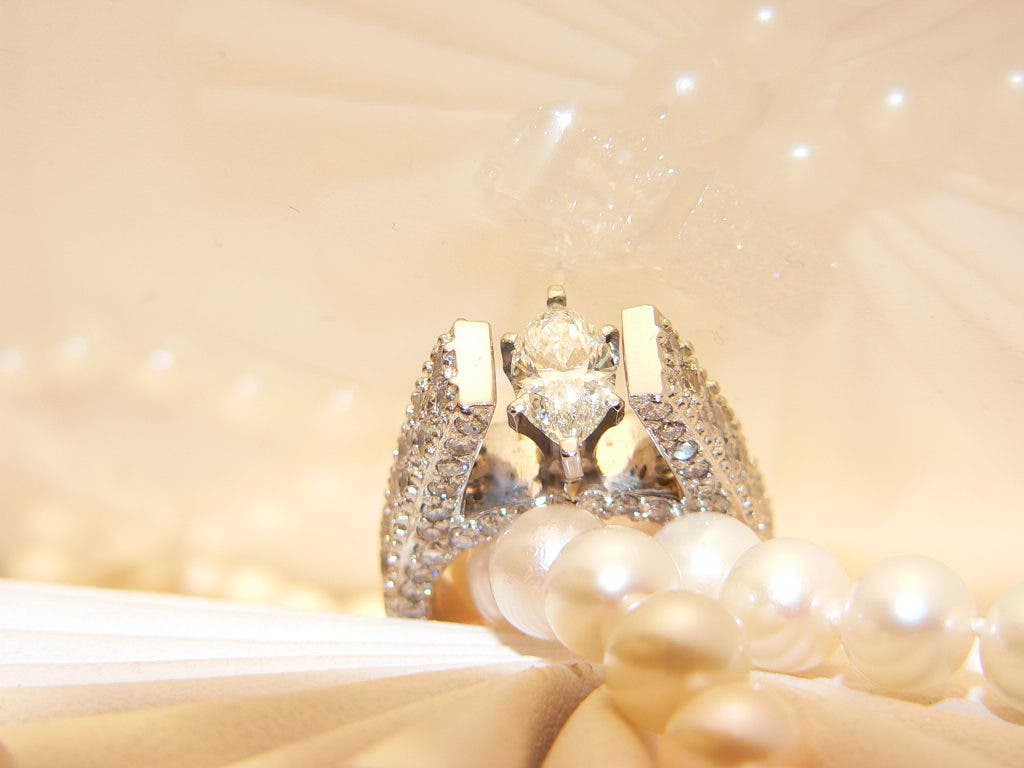
Pearls are one of the oldest gems and the only gem made by a living animal. It's said that Cleopatra dissolved a single pearl in a glass of wine to win a bet with Marc Anthony. The bet was that she could consume the wealth of an entire county in just one meal.
The Arabic legend explains that the pearls formed when moonlight filled dew drops descended down from the sky into the oceans, and were swallowed by oysters.
For anyone who's looking for a classic and elegant piece of jewelry, pearls are a must-have jewelry staple that every women should have at least one strand in her jewelry collection. Before you add pearls to your jewelry, there's a few things you might find helpful.
Find out what's happening in Dearbornfor free with the latest updates from Patch.
Understanding Pearl Color:
The color of the pearl is an important factor when grading a pearl. The pearl has overtone and body color. The pearl comes in a variety of colors from white to black.
The pearl comes from a living creature and this contributes to the unique way the color of the pearl develops.
Find out what's happening in Dearbornfor free with the latest updates from Patch.
Body color:
The body color is the main color of the pearl. White, silver, gold, blue, green, cream, and even black.
The body color is determined by the type of oyster or mollusk that the pearl came from, the condition of the waters, and sometimes the object that was put in the oyster can all have an effect on the outcome of the pearl color. Certain oysters produce pearls of a certain color.
Overtones:
Over tones are the translucent color over the top of the body color. These over tones alter the color of the pearl some what. The over tone will also add depth, and glow to the pearl.
Orient:
Means the iridescent colors which glitter, the layers of nacre (mother of pearl)
reflect the light through the many layers of nacre.
Many pearls are color treated this is often used with fresh water, akoya, and sometimes Tahitian pearls. The color is infused by a treatment known as dying, putting the pearls to irradiation.
You can find out if a pearl is treated by looking down the drill hole you will be looking for concentrations of color which
indicate the presence of dye. Naturally black akoya, and fresh water pearls do not exist.
If black pearls are offered of this variety they are always color treated.
Caring For Cultured Pearls:
1. Avoid contact with perfume and hairspray.
2. Put pearls on last, after applying makeup.
3. Wipe your pearls with a soft clean cloth.
4. Do not store pearls with other jewelry.
5. Have your pearls restrung when they seem loose to the touch and the silk cord discolors.