Community Corner
Lyrids Meteor Shower Tuning Up: Peak Dates, Where To Watch
The best viewing times for the Lyrids, which can offer surprise outbursts, is around dawn on Friday and Saturday.


The annual Lyrids meteor shower is tuning up, and some shooting stars should be visible late Thursday, though the shower doesn’t peak until Friday night and around dawn on Saturday morning, April 21-22. The Lyrids are an average shower producing between 10 and 15 meteors per hour, but that doesn’t mean they should be taken for granted. They’re known for producing fireballs, and a waning crescent moon shouldn’t interfere with the sky show.
The Lyrids are produced by dust particles left behind by the comet Thatcher, discovered in 1861 and considered the shower’s parent. The shower originates from the constellation Lyra the Harp, and the radiant point is blue-white Vega, the brightest of the stars in the constellation, the fifth brightest in the heavens and the highest star in the sky. But you’ll be able to see meteors — assuming skies are clear — from anywhere in the sky, though.
The best viewing times are around dawn both Friday and Saturday.
Find out what's happening in Detroitfor free with the latest updates from Patch.
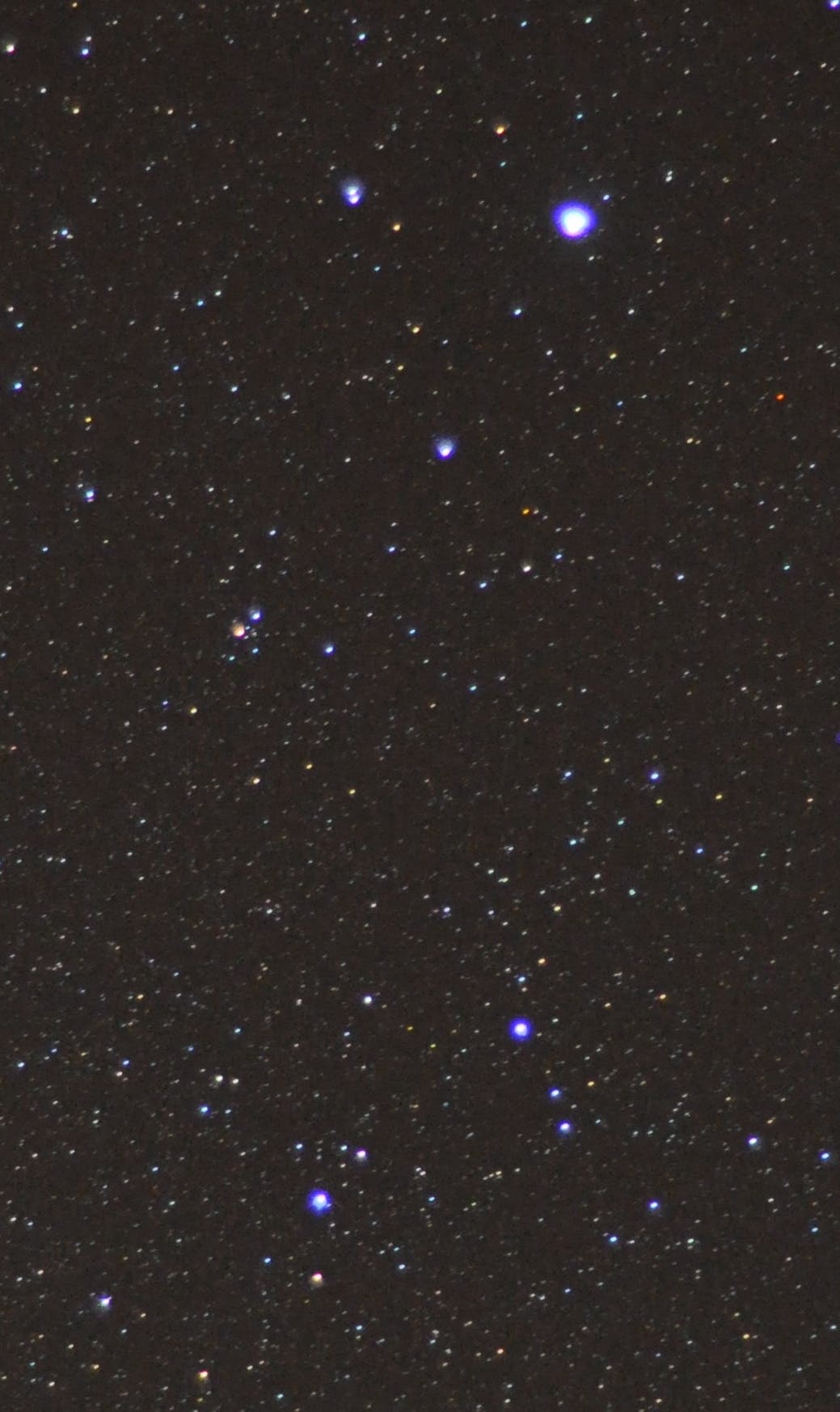
The Lyrids occasionally offer surprises with outbursts that can create 100 fireballs per hour, but AccuWeather.com says that level of activity is not expected this year.
But you don’t want to miss it, either. Patience is the best advice for people who want to get up early to watch the show.
Find out what's happening in Detroitfor free with the latest updates from Patch.
“Only 10 to 15 meteors per hour doesn’t sound like many,” Earthsky.org says. “But even an hour under a still, dark sky — raining down a dozen or so meteors — is a treat.”
After the Lyrids pass, the next shooting event is the Eta Aquarid meteor shower, which should peak May 5-7. This shower favors the Southern Hemisphere — about 60 shooting stars an hour will be visible there — but the Northern Hemisphere won’t be entirely left out of action, and the rate could approach 30 an hour.
The shower runs annually from April 19-May 28. A waxing gibbous moon — that is, a moon that appears high in the east at sunset and is more than half-lighted, but less than full — could block out the most distant meteors, but patience pays off here. If you wait long enough, you should be able to see the brighter ones. Meteors in this shower radiate from the constellation Aquarius, but you should be able to see them anywhere in the sky.
Feature image by Dan Kitwood/Getty Images News/Getty Images
Get more local news delivered straight to your inbox. Sign up for free Patch newsletters and alerts.