Crime & Safety
Study Finds Racial, Ethnic Disparities In MSP Traffic Stops
Michigan State Police promised take immediate action to identify and enact solutions, which includes a five-point plan.


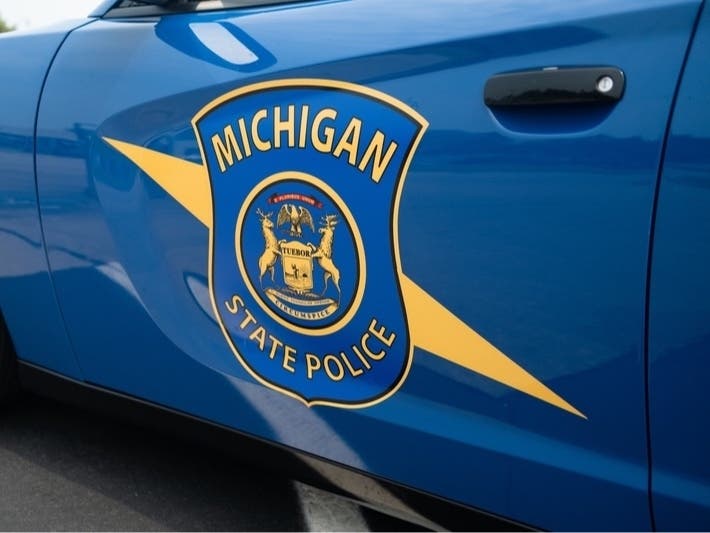
MICHIGAN — Michigan State Police said Wednesday they will take immediate action to identify and enact solutions after an independent study found racial and ethnic disparities in the frequency and outcomes of traffic stops conducted by officers in 2020.
State police Director Col. Joe Gasper announced a five-point plan, which includes hiring an independent consulting firm to review state police policies and recommend systemic changes to address disparities in traffic stops. The plan also discusses equipping all officers with body cameras and launching a statewide listening and learning tour with Black leaders.
"Michiganders deserve unbiased policing, transparency, and accountability from their state police, and that's what they're going to get," Gasper said. "Today, armed with new awareness about our traffic stop activity, we're taking another step toward transparency for the communities we serve. We will fix this together."
Find out what's happening in Detroitfor free with the latest updates from Patch.
Michigan State University conducted the study and found that across the state and within most state police districts, African Americans were significantly more likely to be stopped for a traffic violation "than would be expected based on their representation in the population."
On the other hand, Hispanic and Asian drivers were less likely to be stopped than would be expected based on their representation in the population, the study found.
Find out what's happening in Detroitfor free with the latest updates from Patch.
But, the study did find that police were more likely to search and arrest Black and Latino drivers than white drivers during traffic stops. Asian drivers were significantly less likely to be searched or arrested compared to white drivers, the study found, but were more likely to be cited.
The state attorney general praised Gasper's commitment to improving the officer's relationship with the community they serve.
"Col. Gasper’s commitment to addressing these findings is also a commitment to leading by example. All law enforcement agencies should be willing to examine their practices in an effort to improve their relationship with the people they serve—effective public service cannot be reached without constructive reflection. I appreciate the brave members of our law enforcement community and know today’s announcement will lead to positive change."
Here's the department's five-point response plan:
- Hire an independent consulting firm to review state police policies with an eye toward making recommendations for systemic changes that will address racial disparities.
- Launch a statewide listening and engagement effort, in partnership with the Bridges to B.L.U.E. Citizen Advisory Council, in which state police leaders will engage in open and honest conversations with leaders from communities of color to surface problems and find solutions.
- Making more data available to state troopers through a dashboard that will provide real-time traffic stop data so they can learn and adjust their actions.
- Ramp up educational opportunities for troopers and recruits through the creation of the department's Professional Development Bureau. This new bureau will train and develop enforcement members on familiar topics, as well as on new and emerging topics including mental health, wellness, de-escalation, cultural competency, decision-making, implicit bias and communication skills.
- Issue body cameras to all enforcement members who could have enforcement contact with the public.
Get more local news delivered straight to your inbox. Sign up for free Patch newsletters and alerts.