Politics & Government
Systemic Racism Played Role In Flint Water Crisis: Read The Report
Michigan Civil Rights Commission called for a retool of emergency manager law, state training for "implicit bias," other recommendations.


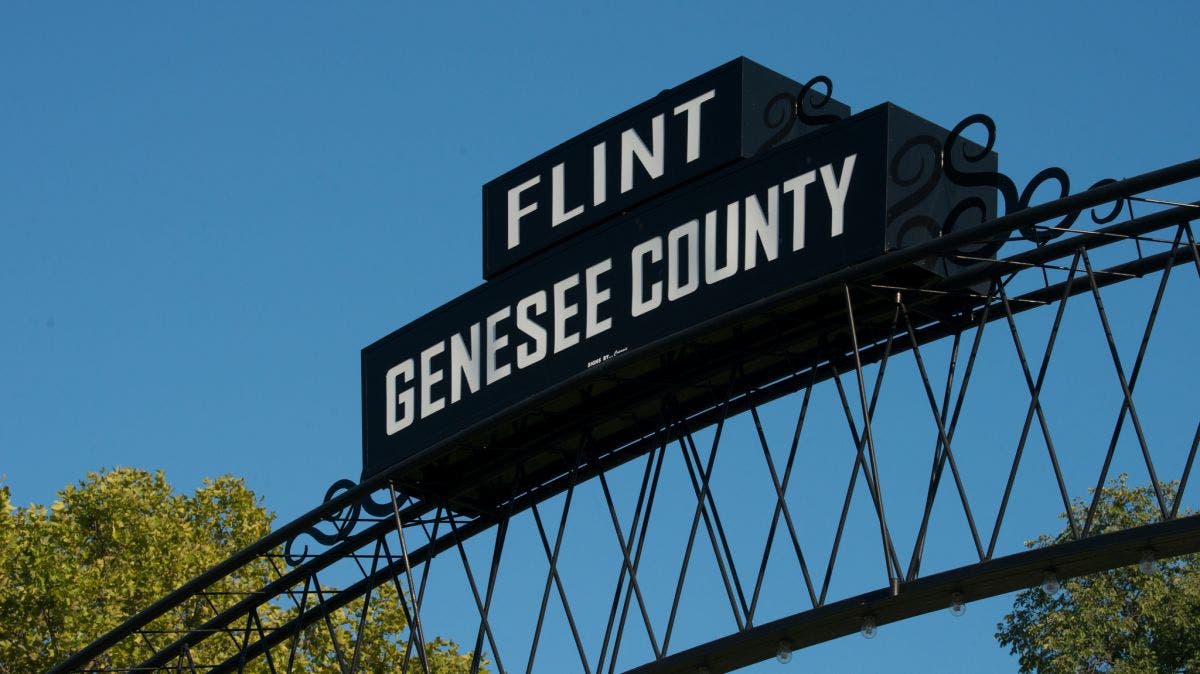
The Michigan Civil Rights Commission issued a searing 135-page report Friday that said the Flint water crisis occurred as the result of “systemic racism” and represented a “complete failure of government.” The report, which delved into the history of race and racism in Flint, also called for changes in the state’s emergency manager law and more training on racial bias at all levels of state government.
Flint was under the control of an emergency manager in 2014 when the decision was made to switch the city’s drinking water supply from Lake Huron to the Flint River in a cost saving move. Flint’s nearly 100,000 residents were exposed to dangerously high levels of lead in their water when the corrosive water caused lead in the city’s aging pipes to leach.
“It is abundantly clear that race played a major role in developing the policies and causing the events that turned Flint into a decaying and largely abandoned urban center, a place where a crisis like this one was all but inevitable,” the commission wrote in a repot that was unanimously adopted at a meeting in downtown Flint Friday. “We cannot predict what the next crisis will be, when it will occur, or in which decaying urban center it will happen. But we do know that unless we do something, it will occur, and it will disparately harm people of color.”
Find out what's happening in Detroitfor free with the latest updates from Patch.
The report said that were such a crisis to occur in affluent communities, the response would likely be much different.
“Would the Flint water crisis have been allowed to happen in Birmingham, Ann Arbor or East Grand Rapids?” the report said. “We believe the answer is no, and that the vestiges of segregation and discrimination found in Flint made it a unique target. The lack of political clout left the residents with nowhere to turn, no way to have their voices heard.”
Find out what's happening in Detroitfor free with the latest updates from Patch.
See More
- Flint Water Crisis: Charges ‘First Wave’ in Investigation
- Flint Residents Treated as ‘Expendable’ by 6 State Workers Criminally Charged
- Flint Water Crisis: 2 Former Emergency Managers Charged
The report called the Flint water crisis “an example of environmental injustice” and said the state should put an environmental justice plan in place.
Were such a plan in place “this crisis could have been mitigated and maybe even prevented,” the commission wrote. We will never know. Equally, had the emergency manager law focused on the financial health of the city and the welfare of its residents, and not just on cost-cutting measures, and/or had it allowed for meaningful involvement of the community when it came to the very basic needs of life, clean water and clean air, this too could have served to mitigate or even prevent the water crisis.”
Among other recommendations, Gov. Rick Snyder should create a “Truth and Reconciliation Commission to rebuild trust and credibility, and the integration of a racial equity framework within state government. State government must “develop a deeper understanding of the roles of structural racialization and implicit bias, and how they affect decision-making throughout all branches of state government, and specifically within state departments and agencies,” the report said.
Additionally, Snyder should provide training on “implicit bias” — unconscious bias that can affect decision making — to cabinet-level positions and all levels of state government, including the Department of Environmental Quality and the Department of Health and Human Services.
Employees in both the DEQ and DHHS have been criminally charged in the investigation of the Flint water crisis, as have two former emergency managers.
Read the full report below.
Photo: Public Domain
Get more local news delivered straight to your inbox. Sign up for free Patch newsletters and alerts.