Schools
15 Percent of Farmington 3rd Graders Are Struggling Readers; Is Retention the Answer?
State considers early intervention and retention of third-graders who struggle with reading; Farmington schools look for a local solutio


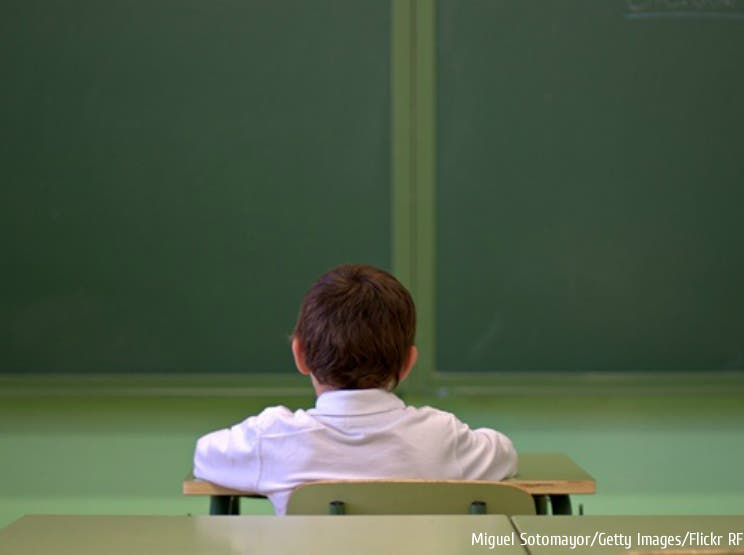
Is holding back third graders who struggle with reading, as some members of the Michigan Legislature have proposed, the answer to closing achievement gaps?
No, says Farmington Public Schools Superintendent George Heitsch, Hometownlife.com reports.
“Philosophically, it doesn’t make sense to retain third-graders, and there’s a boat-load of research out there that that tells you how damaging it is long term to high school success at graduation, ” Heitsch said during an Oct. 6 meeting.
Find out what's happening in Farmington-Farmington Hillsfor free with the latest updates from Patch.
Stay Connected
- Subscribe to the free daily Farmington-Farmington Hills Patch newsletter and e-alerts.
- Like Farmington-Farmington Hills Patch on Facebook.
About 15 percent of the district’s third-graders, or 97 students, have reading deficiencies and would be held back under legislation approved by the House of Representatives last week. The bill, which passed 57-48, now goes to the Senate for consideration.
Find out what's happening in Farmington-Farmington Hillsfor free with the latest updates from Patch.
Supporters say social promotions cheat kids.
“It’s not acceptable to allow our kids to not be able to read and yet send them along their way,” Rep. Lisa Lyons, R-Alto, said.
Tell Us
- What do you think about the proposed legislation? Should third-grade students who struggle with reading be retained, or passed on to the next grade?
But critics — Heitsch included — said retention is unfair to kids and increases the likelihood they will drop out before graduating from high school.
“There’s got to be another way to close that gap … and we’ll find it with families,” Heitsch said at the school board meeting.
“I am not going to remove the hope of a 9-year-old. Period,” Zemke said, according to the Free Press.
Michigan HB 4822, which also requires school districts to intervene early on when students first begin struggling with reading and hire early literacy coaches, responds to a 30 percent failure rate by the state’s fourth graders on the now-defunct MEAP exam. On the more rigorous National Assessment of Education Program, nearly 70 percent of Michigan fourth-graders were not proficient.
Farmington schools have developed a summer reading program tested for the first time in July and August and attended by 41 of the 112 current third-graders who read below their grade level.
“The state is looking at holding your child back, and we don’t want that to happen,” school board member Murray Kahn said.
Also voting against the bill was State Rep. Christine Greig, D-Farmington Hills.
“I’ve heard from parents, teachers and constituents across my district that this legislation would harm kids’ ability to learn, which is why I could not support the bill,” Greig said, in a recently-released statement. adding:
“Learning to read is critical, and legislation addressing reading must allow for local control, parental input and provide local schools the resources they need to make intervention a success. School districts across the state are finding innovative ways to help kids learn to read and we need to support those efforts — not dictate them from Lansing.”
In a statement unanimously adopted last week, the State Board of Education said:
“While there are situations where retaining students in their current grade is warranted, that decision needs to be decided on case-by-case basis, between educators and parents,” the board said. “It should not be automatic.”
Supporters argue otherwise, saying that early intervention sets students on the right course and improves graduation rates.
Great Lakes Education Project Executive Director Gary Naeyaert said in a news release that the “passage of (House Bill) 4822 is a huge step to providing struggling readers in grades K-3 with the help they need to succeed.”
“As the leading advocacy organization supporting this bill, we are confident Senator Phil Pavlov and the Senate Education Committee will schedule hearings soon so this common sense policy can be evaluated and passed in the Senate and then sent to the Governor for his signature.”
Get more local news delivered straight to your inbox. Sign up for free Patch newsletters and alerts.