Community Corner
Ebola Virus Hits Close to Home in Farmington Hills
"These are our cousins, our sisters, our nieces," says an infectious disease expert who moved to Michigan from Liberia at age 12.


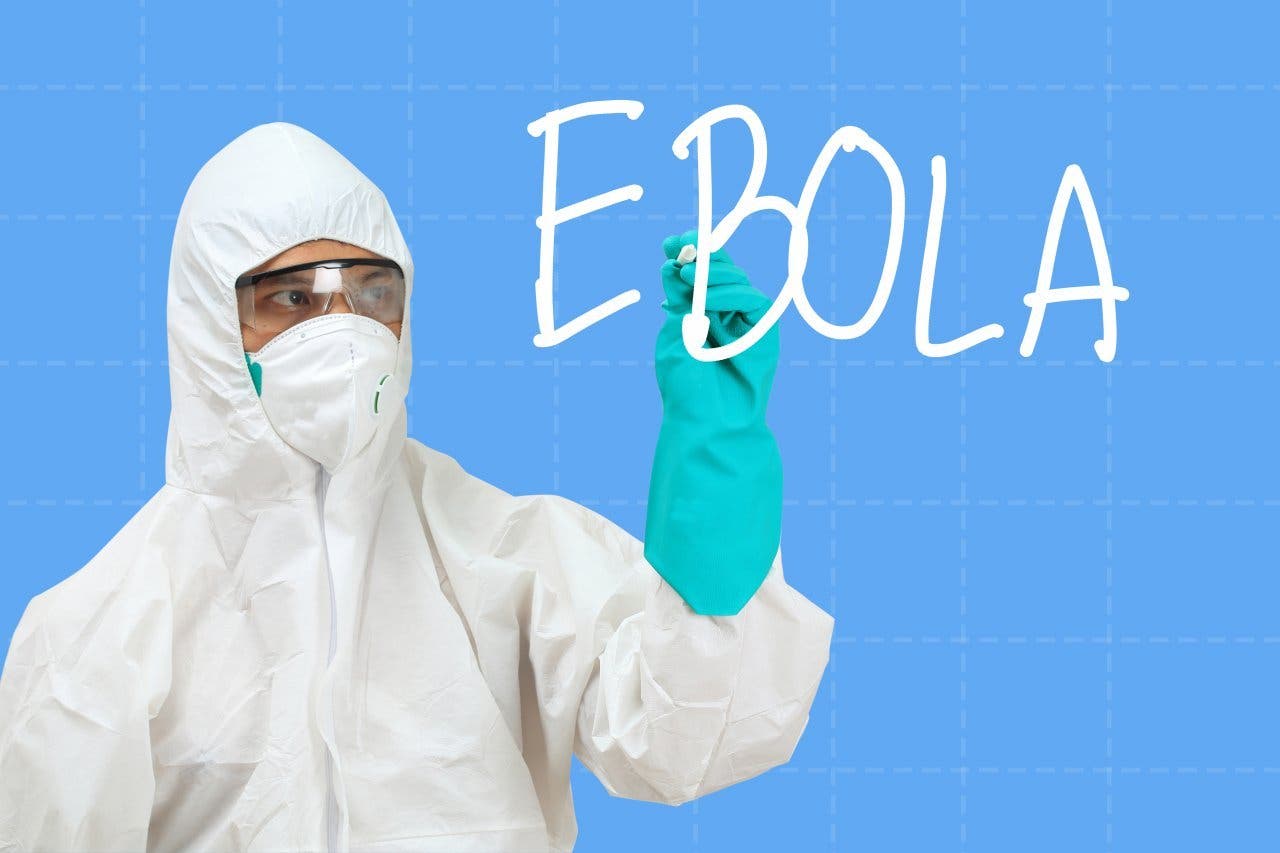
Metro residents with ties in Liberia, hit especially hard in the spread of the Ebola virus, are raising money to help affected families, whether here or back home in West Africa. (Photo via Shutterstock)
______________
A Farmington Hills infectious disease expert is watching the terrifying spread of the deadly Ebola virus with more than just a professional interest.
Find out what's happening in Farmington-Farmington Hillsfor free with the latest updates from Patch.
Harolyn Baker, who came to the U.S. with her family when she was 12 and is now a leader with the Liberian Association of Michigan, has lost friends and colleagues to the disease, which sickened 6,000 West Africans and killed more than 3,000 of them, according to the World Health Organization. More than 2,000 of those who succummed to the disease lived in Liberia.
Half a world away in the Detroit metro, Baker and others mourn and watch the news with their hearts in their throats.
Find out what's happening in Farmington-Farmington Hillsfor free with the latest updates from Patch.
A colleague, a physician in Liberia, died of the disease, which has been increasing almost five times each month, Baker said, according to WWJ/CBS Detroit.
“We have lost almost five physicians to this virus, so we know that the health-care community,” she said. “The nurses, the caretakers, the caregiver, the physicians are the ones at highest risk.”
Tell Us:
- Should U.S. airports be closed to travelers from Ebola ravaged countries? Are there other steps that should be taken to control the spread of the deadly virus? Tell us below in the comments.
Another Liberian national living in Farmington Hills for the past 17 years, Philip Saywrayne, said lost a niece, and then a sister, to Ebola in Monrovia, Liberia’s capital, The Detroit News reports.
“When I go home I watch the news to see the death rate, the survival rate, whether there is any sign of improvement,” said Saywrayne, who attended a recent Liberian Association of Michigan panel discussion providing updates of conditions faced by members’ family members overseas.
“It causes a lot of strain of families,” he said.
‘That Could Be Our Child’
The discussion at the gathering also focused on ways people can help, but was also a fund-raising event. The group raised $2,000 of its $5,000 goal for aid for people affected by the spread of the virus and “do something in our own weak way,” Baker said.
“You can’t even hold your child. It’s such a painful isolated way to die,” Baker said, recalling a phone conversation with a medical professional in Liberia, who described the heartbreak of treating a 5-year-old with Ebola.
“We’re doing this because that could be our child,” she said. “Those are our cousins, our sisters, our nieces.”
Baker, who keeps a close watch on Centers for Disease Control and Prevention statistics on the outbreak, encouraged Americans to avoid the complacency.
“People need financial resources, they need food, they need water – they need other … resources that will compliment the medical goods that are going there,” she said.
U.S. Ebola Case a Wake-Up Call?
With no cataclysmic event and only recent media coverage of the Ebola outbreak, philanthropists have been slow to respond, Bob Ottenhoff, chief executive of the Center for Disaster Philanthropy, told The Chronicle of Philanthropy. The first U.S. case of Ebola may be the wakeup call needed to spur donor involvement among Americans, he said.
“When you read stories that the American government is sending 3,000 military workers and spending hundreds of millions of dollars, some donors think, ‘Well good, this problem has now been addressed,’” Ottenhoff said. “Then there are other donors who think, ‘Given all this money, where are the gaps?’ and ‘Maybe we need to hold back a little while and figure out where the funding gaps are before we commit our money.’”
Though there have been some major gifts, including $50 million by the Bill & Melinda Gates Foundation, The Chronicle of Philanthropy said most sources interviewed for the story described the rate of private giving “modest.”
President Obama said in Sept. 25 remarks at the United Nations in New York City, when he criticized the world’s slow response to the crisis. “More foundations can tap into the networks of support that they have to raise funds and awareness,” he said.
______________
Have a news tip? Email beth.dalbey@patch.com. Our platform has changed, so click here to learn how to post news, events and announcements; comment using Disqus; or add photos to the Instagram feed along the top of the home page.
Get more local news delivered straight to your inbox. Sign up for free Patch newsletters and alerts.