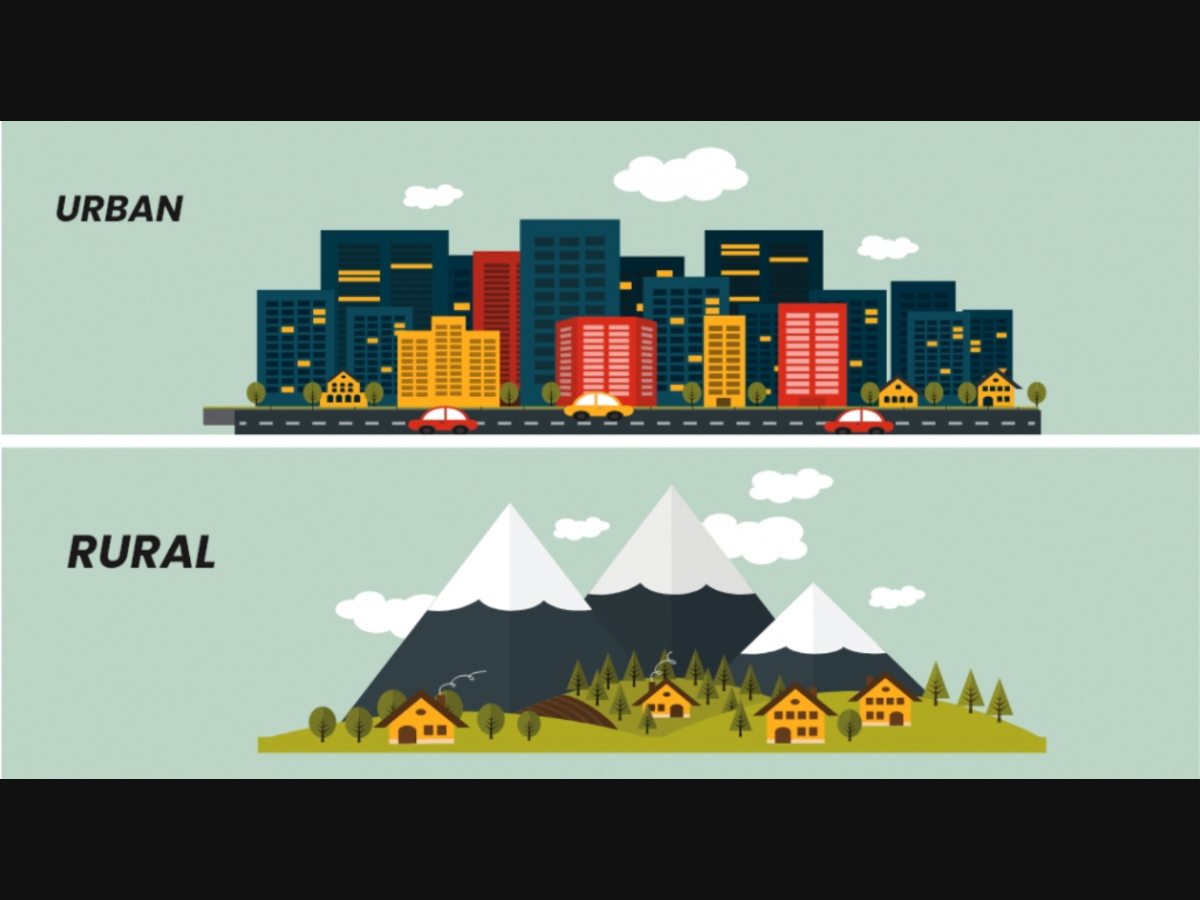
Food Insecurity is frequently viewed as a rural issue, yet it affects individuals in both cities and rural areas in diverse ways. Where a person lives impacts how they obtain food, the problems they face, and the resources accessible to them. Understanding some of the similarities and differences between urban and rural food insecurity is critical for addressing hunger more efficiently.
In urban areas, food insecurity is common and often masked by the facade of wealth and luxury. Although large cities have plenty of grocery stores and restaurants, many people still struggle to purchase nutritional food. A website from Cornell University College of Agriculture and Life Sciences, notes from a previously conducted study, “Contrary to common belief that picture the rural areas as more vulnerable to food insecurity and malnutrition, it shows that over 3/4 of the world’s food insecure population are in urban and peri-urban regions … of the 2.2 billion moderately and severely food‑insecure people in the world, 1.7 billion live in urban and peri-urban areas” (Cornell-CALS, 2024). The high living costs, particularly for housing, leave only a tiny portion of money left for food and groceries. Additionally, “although income is critically important for food security and healthy diets, many poor urban households rely on low paying and insecure jobs in the informal sector.” (Singh, 2020). With household members focusing on jobs to get the necessary wage to run a family, it creates inconsistent access to food. The long hours of work, lack of childcare, and limited support influence children’s nutrition and overall health.
Rural food insecurity comes with its own set of challenges as well. Rural communities face higher poverty rates and a lower level of economic opportunities. According to data from a research study that focused on examining food insecurity in rural parts of the United States, it stated, “When compared to other geographies in the U.S., rural areas have consistently higher poverty rates than urban areas, at 16.1% versus 12.6%, respectively, and greater food insecurity rates than the overall population…” (Shanks, 2022). Job loss, aging populations, and deteriorating local economies all lead to financial insecurity. Furthermore, rural communities, in particular, have physical barriers to accessing healthy food due to limited grocery stores, lengthy travel distances, and a lack of public transportation.
Find out what's happening in Novifor free with the latest updates from Patch.
When comparing urban and rural food insecurity, the causes vary, yet the effects are frequently the same. Urban households may have access to closer food supplies but are unable to purchase them, whereas rural households may have the finances but lack access to stores. The cities face high prices, overpopulation, and job uncertainty, while the countryside areas are isolated, have fewer transit opportunities, and receive fewer services. These issues on both sides ultimately affect people such as the children, the elderly, and low-income households.
In conclusion, food insecurity is not thought to be as an idea limited to a single community, but as a widespread problem that requires solutions in both urban and rural areas. Expanding affordable housing, enhancing food assistance programs, and investing in transportation systems can help make a significant difference in reducing food insecurity. Policymakers and organizations can work together to ensure everyone has access to safe, healthy food, no matter where they live.