Community Corner
Heartwarming Friendship Develops Between Descendants of Slaves, Slave Owners: ICYMI
Michigan man's quest for answers — why was his great-grandfather white when the rest of his family was black? — takes a surprise turn.


CANTON, MI — This is the story about two men, one of them living in Michigan and the other in South Carolina, and a discovery that could have made their growing friendship even more unlikely.
It began when one of the men, Nkrumah Steward, of Canton, a 44-year-old IT professional with a knack for ferreting out information, decided to trace his genealogy.
“As any African-American who traces their ancestry does,” Steward told Patch, “I had to find my family through the ledgers and receipts” and, eventually, through a DNA test.
Here are some key pieces he put together to make a discovery that changed both men's lives:
Find out what's happening in Plymouth-Cantonfor free with the latest updates from Patch.
- Robert Adams, whose family still owns the plantation, was a descendant of Robert Joel Adams.
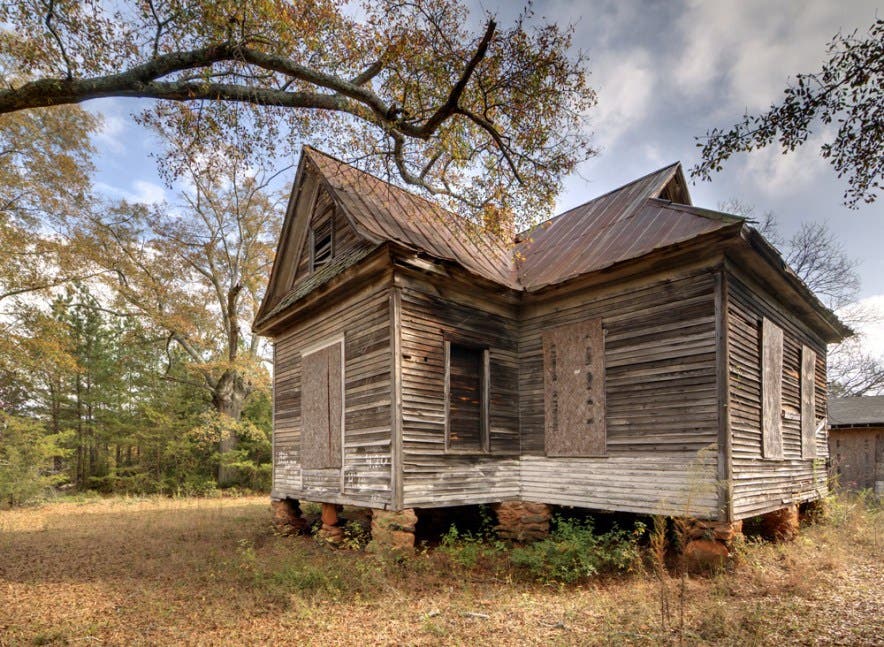
- Robert Joel Adams lived at the plantation when Steward's great-great-great-great grandmother worked as a slave at the plantation.
- Masters often had sex with their slaves.
- When Steward, as a child, visited his great-grandfather, he often wondered: Why is everyone here but him black and he's so white?
- Robert Joel Adams fathered a child with a slave in 1835.
- The slave was his great-great-great-great grandmother.
Add all that up and you get this: Steward and the plantation owner, Robert Adams, were cousins. Steward's people weren’t just tied to the plantation in Lower Richland County by the bonds of chattel slavery, but also by blood.
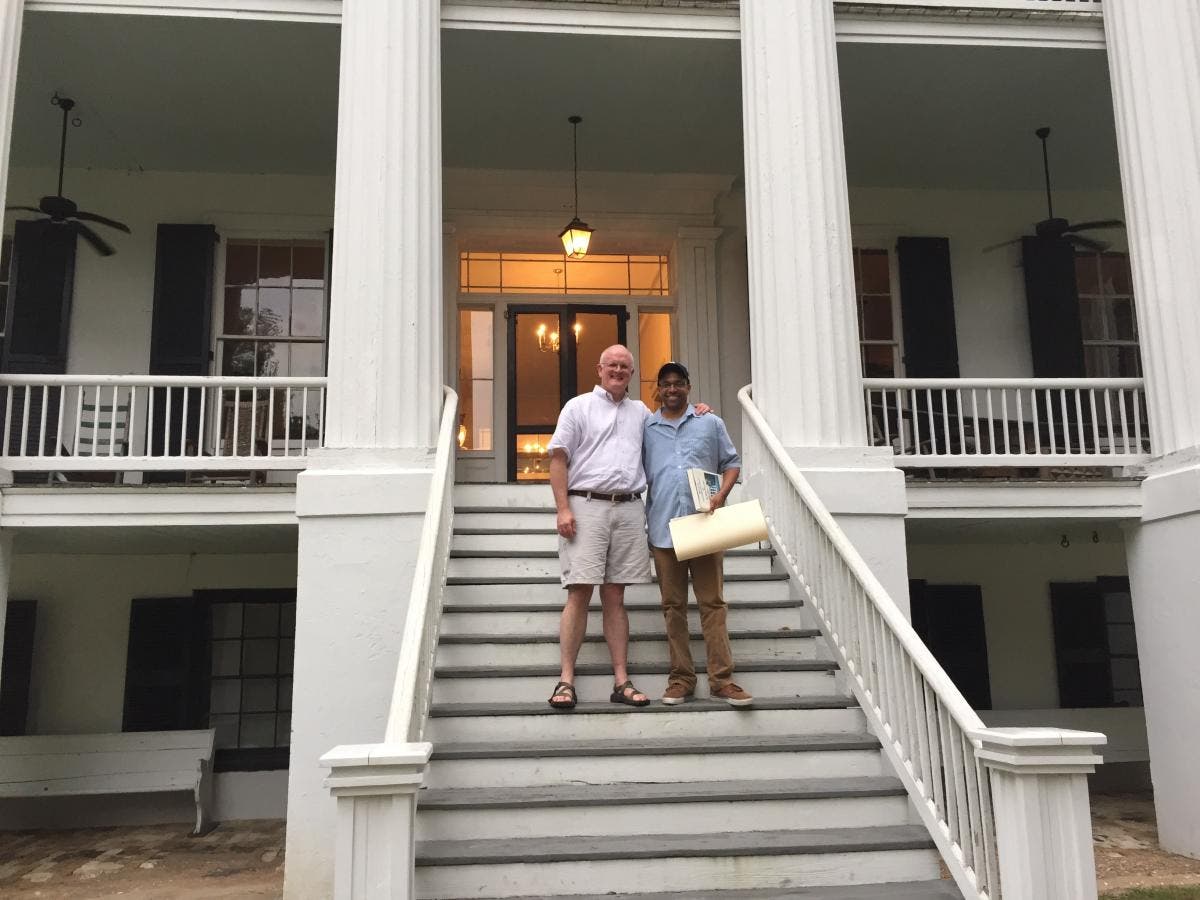
The two men met recently on the sweeping staircase of the Antebellum mansion to write a new history between their families that moves on from slavery and overcomes an escalation of racial tensions in the past weeks, months and years.
Find out what's happening in Plymouth-Cantonfor free with the latest updates from Patch.
The questions, the ones that had dogged Steward since his boyhood visits to see his South Carolina grandparents and fueled his interest in genealogy, finally had answers.
After decades of researching, he knew why his great-grandfather James Henry's skin was white, why his hair was white and why even his lips were white.
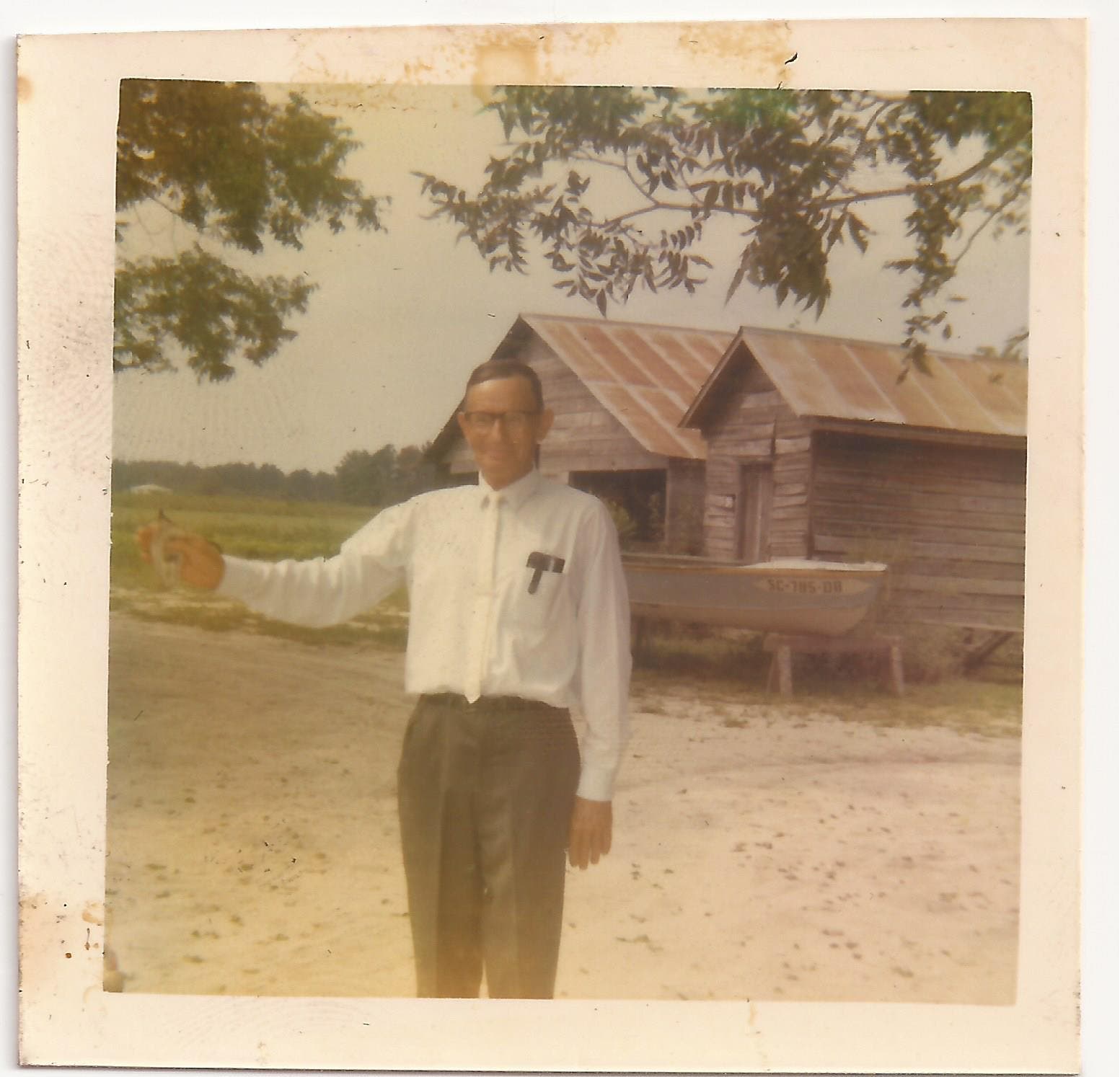
“Everything was white,” Steward said, yet he lived in segregation with other African-Americans in Hopkins, South Carolina, and was held back by the same voting barriers and other civil rights struggles as they had.
“To tell you how white he looked,” Steward said of the migration north by his mother’s branch of the family in the Industrial Era, “he worked at Ford Motor Co. when they didn’t hire black workers. He didn’t necessarily try to ‘pass’ as white; everyone just assumed he was. All he had to do to live as a white man was move to Detroit.”
Steward was incredulous. “Why was no one talking about this?” he wondered.
Connected By a Hashtag
But for a single hashtag that punctuated his social media posts, Steward’s discovery after a years-long quest for answers might have ended as entries on his blog and Facebook page. Fascinating and meticulously researched chapters in his ancestral history, they make up a collection of complete, stand-alone stories in their own right.
But in South Carolina, #WaveringPlace popped up in Shana Adams’ Facebook news feed, and the story continued — remarkably so, both men agree.
That’s the hashtag used to market the old Adams plantation, passed down through generations of the family since 1768. It is known as Wavering Place Plantation in its present-day iteration as a bed-and-breakfast inn, wedding venue and historic landmark where educational tours offer unvarnished accounts of the history of the Old South.
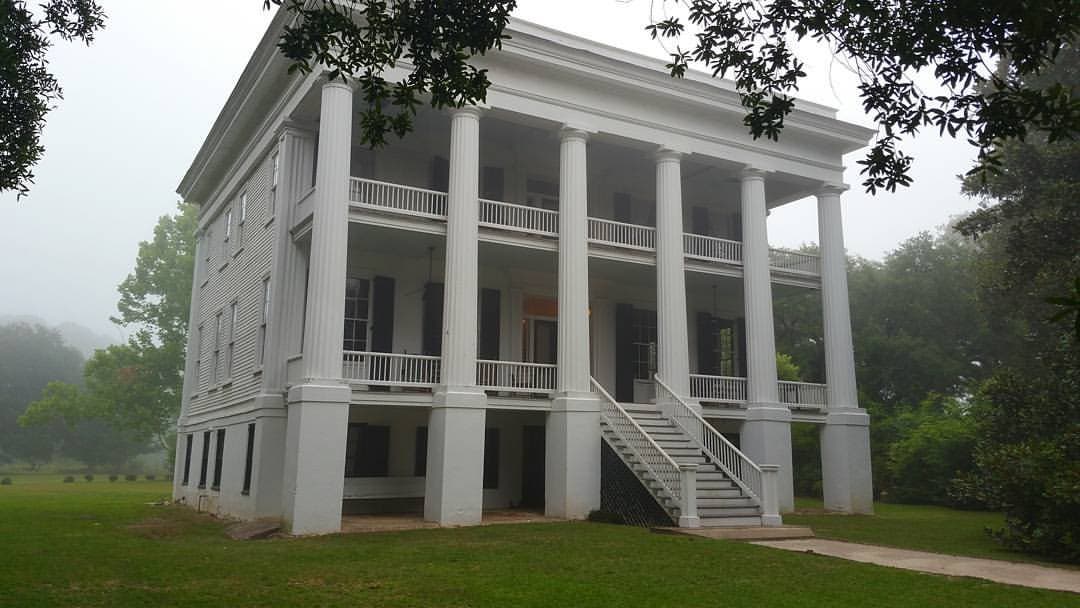
Shana Adams immediately sent an instant message to Steward. Could he come to visit?
Well, no, Steward said, he was in Michigan, but his parents, Linda and Eugene, lived nearby in Hopkins and could come by to visit. It was all arranged.
“Look, a lot of horrible things happened during that time, and on this particular plantation. We can’t do anything about that. ... But that doesn’t mean you and me together can’t have a relationship.”
— Robert Adams
“My parents showed up the next day, everybody hugged and everything was cool,” Steward said. “That night, I got a message: ‘This is Robert Adams. I’m your cousin. Here’s my phone number. I’d love to talk.’ ”
Steward recalled Adams saying in that introductory phone conversation, “Look, a lot of horrible things happened during that time, and on this particular plantation. We can’t do anything about that. I can’t do anything about that. But that doesn’t mean you and me together can’t have a relationship.”
The bond between the Stewards of Michigan and Adams of Lower Richland County strengthened as these things generally do on social media, in a cyber buffer zone where good intentions and common goals can be sorted out.
By the time the two families — the Adams; Nkrumah and Wendy Steward and their two children, Elijah, 5, and Henry, 3; and Nkrumah's parents, Linda and Eugene — sat down for a three-hour dinner on June 30, they had developed an easy familiarity.
“Each other’s intentions were nothing but good, with our hearts in the right places,” Adams told Patch. “It is what it is. Slavery is the black eye on our history, out of all of our history.
“It was a terrible chapter in the history of our country, and my family’s involvement is not something I’m proud of. They’re my ancestors, and everybody accepts that times have changed — for the better — and we’re trying to move forward in a constructive manner.
“I’ve found that it’s easier in life, generally speaking, to get along. If you don’t have kind of an open mind, open door, you’re only limiting yourself. I think Krumah's point of view is very much the same.”
Indeed.
“That his people used to own mine doesn’t tell me anything about him,” Steward said. “This wasn’t about about the past, or trying to change things that can’t be changed.”
Some have suggested, Steward said, that the growing friendship between the two men is possible only because he has “chosen to forgive and forget” the inhumanities inflicted on his ancestors on that plantation.
“Anger has its place,” he said of the history of injustice toward African-Americans, from their kidnapping from African villages to the issues that fuel today’s Black Lives Matter movement.
“I’ve learned it’s OK to be angry, but not to misplace it,” he said. “If you use anger to fight against inequality that’s fine, but you don’t just punch or accost people.
“I read about the Antebellum South, and it bothers me, but it’s all about focusing my actions and my thoughts and my words on what I want to see changed. It’s counterproductive to be violent.
“It’s not accurate to say that I have chosen to forgive and forget,” he emphasized. “I never asked Robert to apologize, I never looked for an apology or thought I was owed one. Robert never owned slaves; he is a descendant of a slave owner, and if you want to be honest about it, I am a descendant of a slave owner, too.”
The New South
This isn’t the first time Adams has come face-to-face with the complex family tree woven into the tapestry of the Antebellum South.
Adams is a lobbyist at the South Carolina capitol, where history was made last year with the lowering of the Confederate flag, long seen as a scorching emblem of racism, after the racially motivated massacre of African-Americans worshiping at a Charleston Church. At the statehouse, Adams works with two African-American lobbyists who are “connected to our family in a similar way” as Steward, he said.
“We call each other ‘cousin,’ ” Adams said, chuckling at the memory of “catching someone turning their head and looking” at them as they bandy about the familial reference.
Overall, though, Adams believes attitudes are changing and more Southerners are consciously working to reconcile the legacies of their ancestors and forge a different, more just path for the future.
“In the South as a whole, there are probably a lot of examples of this across the board,” he said of whites and blacks discovering, and embracing, their shared DNA. “In some cases, you might have known somebody for a long time, or they might have just lived a few miles away.”
Adams and Steward’s meeting could have been one more of too many ugly footnotes in the county’s long anthology of racial unrest. Instead, Steward said, their friendship is a legacy to his and Wendy’s sons.
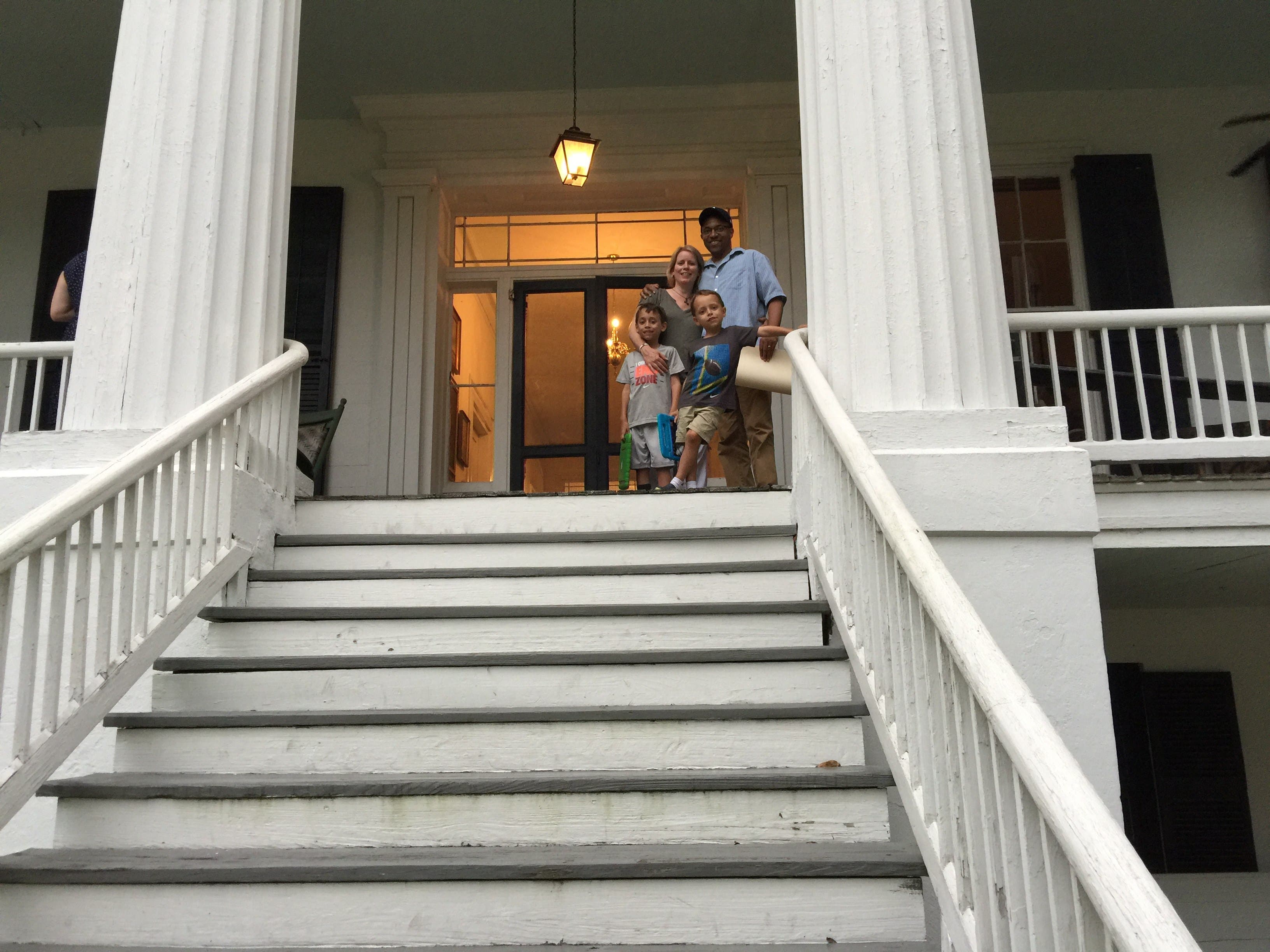
“They’re biracial children,” Steward said. “I want them to not be afraid to have difficult conversations; I want them to know their dad gave them an example about equality in race and gender. I don’t want them to think they have to treat Muslims this way just because they’re Muslim, or white people with suspicion just because they’re white. You control that.”
Neither man knew the other existed a year ago. Now they’re planning their next visit, a longer stay at Wavering Place that offers the luxury of time to peel more layers from their shared history and strengthen the core of their journey of friendship, kinship and peace.
Their story isn’t everything in a country where deep racial discord flares up with tragic, horrifying frequency. But it isn’t nothing, either.
Images: Courtesy of Nkrumah Steward unless otherwise noted
Get more local news delivered straight to your inbox. Sign up for free Patch newsletters and alerts.