Community Corner
World Elephant Day 2017: Detroit Zoo Legacy, 5 Ways To Help
Elephants lead emotionally rich lives, but are on the brink of extinction. On World Elephant Day on Saturday, Aug. 12, here's how to help.


ROYAL OAK, MI — No observance of World Elephant Day 2017 — Saturday, Aug. 12 — is complete without recalling at-the-time groundbreaking steps taken by the Detroit Zoo, the first in the country to decide solely on ethical grounds to no longer keep elephants. In the more than a decade since the zoo retired two aging elephants, Wanda and Winky, to California, more zoos have made the same decision.
But Saturday’s World Elephant Day is a reminder of the soul-crushing plight of elephants in the wild and their treatment in captivity. These sentient gentle giants lead rich emotional lives with values similar to humans’, but have been driven to the brink of extinction by habitat destruction for cash crops and, more jarring, hunters who mercilessly rip out their ivory tusks while they’re still alive, then leave them to die excruciating, slow deaths from hemorrhage.
Conservationists warn that at the rate elephants are disappearing, their species could be wiped out in Asia and Africa with 12 years. Asian elephants number only about 40,000 and are classified as “endangered” on the IUCN Red List of Threatened Species. There are about 400,000 remaining in Africa, where they are classified as “vulnerable.” (For more local news, click here to sign up for real-time news alerts and newsletters from Royal Oak Patch, and click here to find your local Michigan Patch. If you have an iPhone, click here to get the free Patch iPhone app.)
Find out what's happening in Royal Oakfor free with the latest updates from Patch.
World Elephant Day observances also focus on the treatment of elephants in captivity. In the decision that helped reshape public attitudes and values toward the humane treatment of elephants, the Detroit Zoo determined in 2005 there was no realistic way to provide an ideal physical space or a natural social environment for their aging elephants. Winky and Wanda retired to an elephant sanctuary in California that provided them with dozens of acres to roam with other elephants, lakes to play in, and spacious living quarters equipped with heated stalls and therapeutic Jacuzzis.
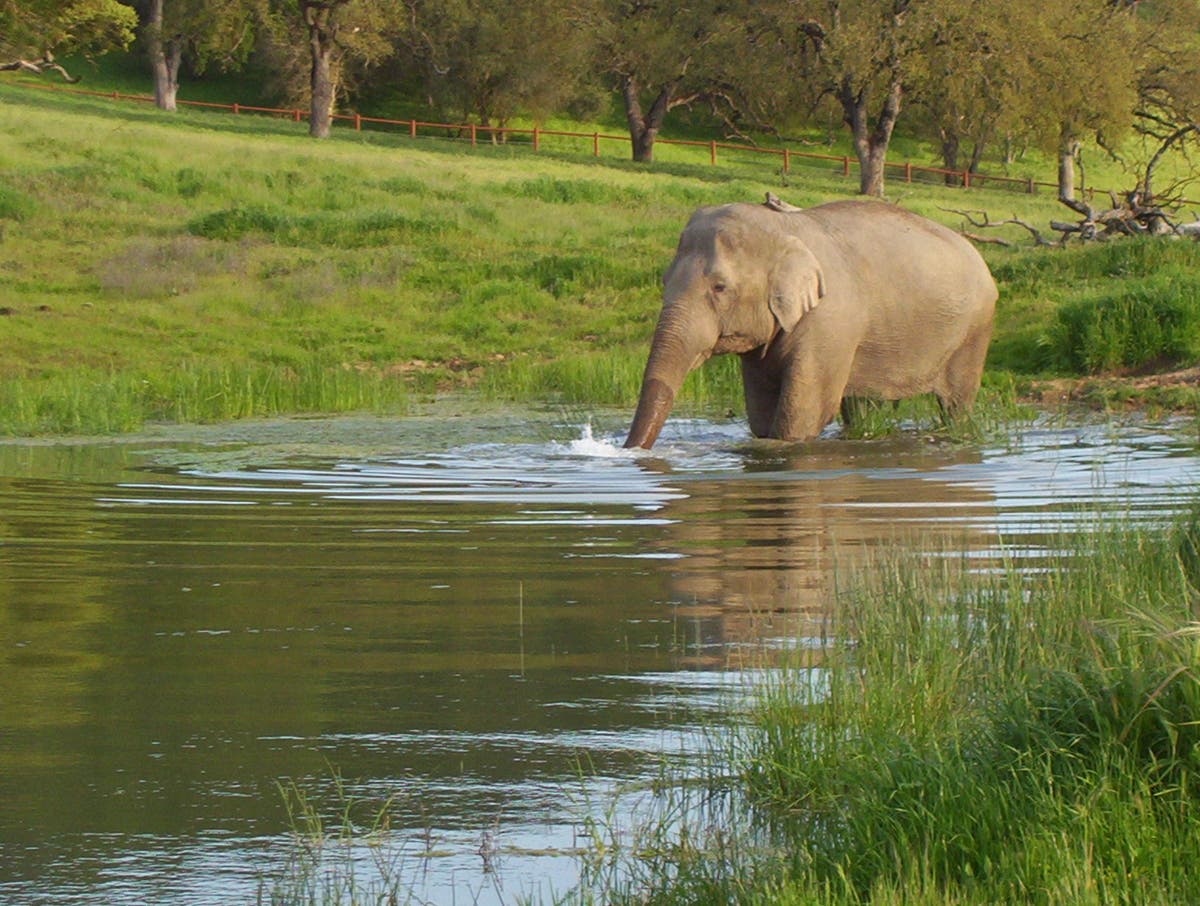
Detroit Zoo Elephant Who Changed Ethics Dies
Here are five things you can do right now to affect elephant survival rates:
Find out what's happening in Royal Oakfor free with the latest updates from Patch.
1. Don’t buy ivory, and if you have ivory heirlooms sitting around the house, crush them and have a burial ceremony with your kids in the back yard. Crushing events take place on massive scales — just last week, state and federal environmental and conservation officials in Albany, New York, crushed a ton of illegal ivory trinkets worth a staggering $6 million — and family-centered ivory disposals can help kids connect with a species that “demonstrate what we consider the finest human traits: empathy, self-awareness and social intelligence,” Vanity Fair Editor Graydon Carter said, adding: “But the way we treat them puts on display the very worst of human behavior.”
3. Support one of 10 elephant conservation projects in critical landscapes through The Bodhi Tree Foundation’s ‘Power of 10’ initiative. Each of the projects focuses on countering the forces that threaten elephants — poaching, habitat loss, human-elephant conflict, and a lack of vital rehabilitation and veterinary care. Some of the projects are funded, but others are in dire need of support. The Bodhi Tree Foundation says 100 percent of donations go directly to the project of the donor’s choosing.
4. Be an informed consumer. Don’t buy coffee that isn’t fair-trade or shade-grown, and avoid products containing palm oil — warning, that’s going to be tough because it’s the most widely used vegetable oil in the world, but possible. Coffee and oil palm plantations have decimated elephant habitat. Also, make sure wood products are certified by the Forest Stewardship.
5. If you want to experience elephants, be aware that many used for entertainment purposes are mistreated, sometime terribly so. Ringling Bros. and Barnum & Bailey Circus’ decision to retire its last working elephants reflected the public’s growing understanding of elephant intelligence and distaste for activities that exploit them, and the travel website Trip Adviser is no longer booking excursions to attractions with captive animals, including elephant rides, but exploitation still happens. If you’re planning on experiencing elephants in the wild, make sure you choose eco-friendly tourism options.
How Humans Are Changing Elephants
If you want to know more about how human behavior is altering elephant behavior, check out the fascinating read published in 2006 by The New York Times titled “An Elephant Crackup?”
Among the conclusions: Young male elephants are running amuck across Africa, India and Asia, goring children in villages where they once peacefully co-existed with humans, because decades of ivory poaching, habitat loss and other threats have disrupted the fabric of elephant life and the societal and familial structures under which young elephants are raised and, essentially, kept in line.
The slaughter is traumatic for young elephants and profoundly changes them, psychologist Gay Bradshaw told The Times.
‘‘The loss of elephant elders and the traumatic experience of witnessing the massacres of their family, impairs normal brain and behavior development in young elephants,” said Bradshaw, who at the time was doing research for what became the Pulitzer Prize-nominated Elephants on the Edge: What Animals Teach Us about Humanity.
Like Royal Oak Patch on Facebook and get stories like this in your newsfeed.
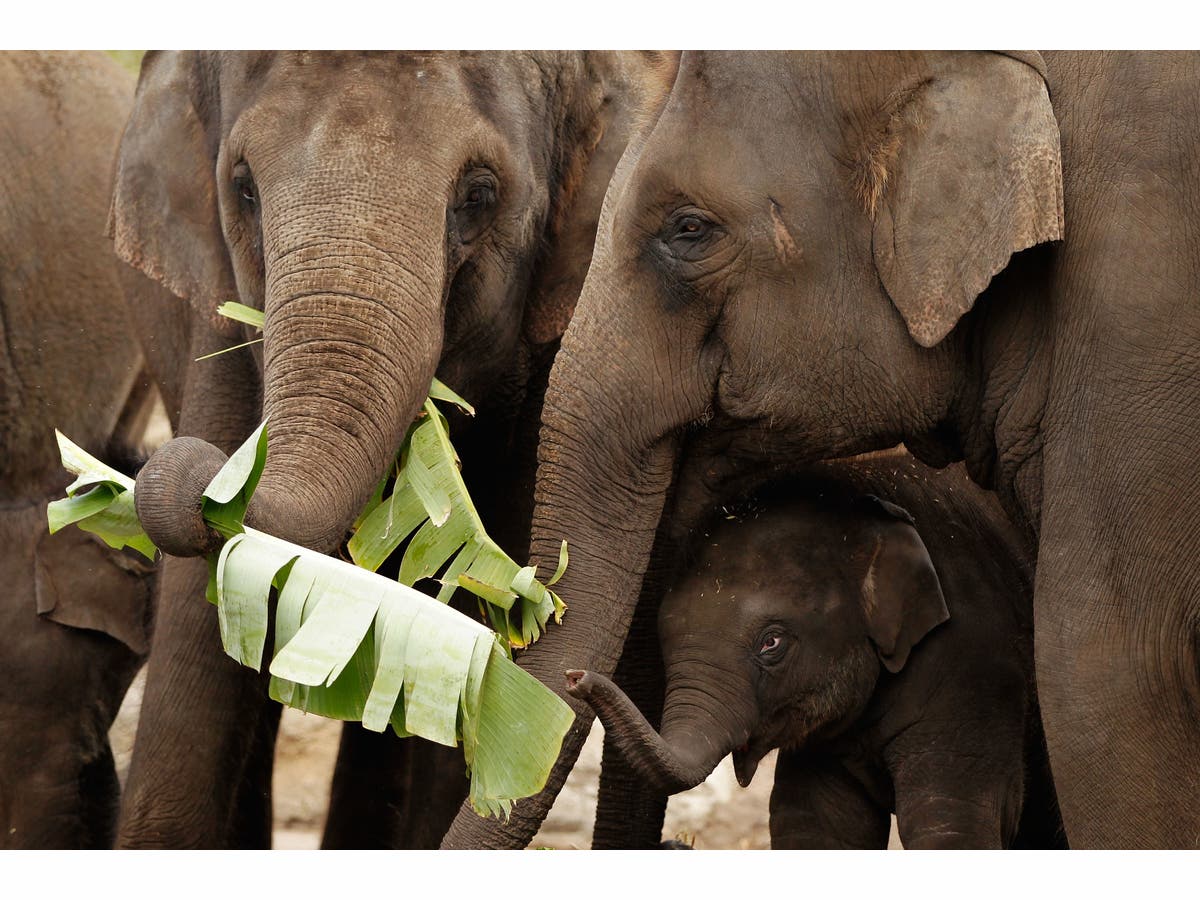
Feature photo by Brendon Thorne/Getty Images News/Getty Images
Get more local news delivered straight to your inbox. Sign up for free Patch newsletters and alerts.