Politics & Government
Feds To End Immigration Enforcement Operation In Minnesota
Trump's border czar said the operation will end after heightened activity that included two deadly shootings by federal agents.


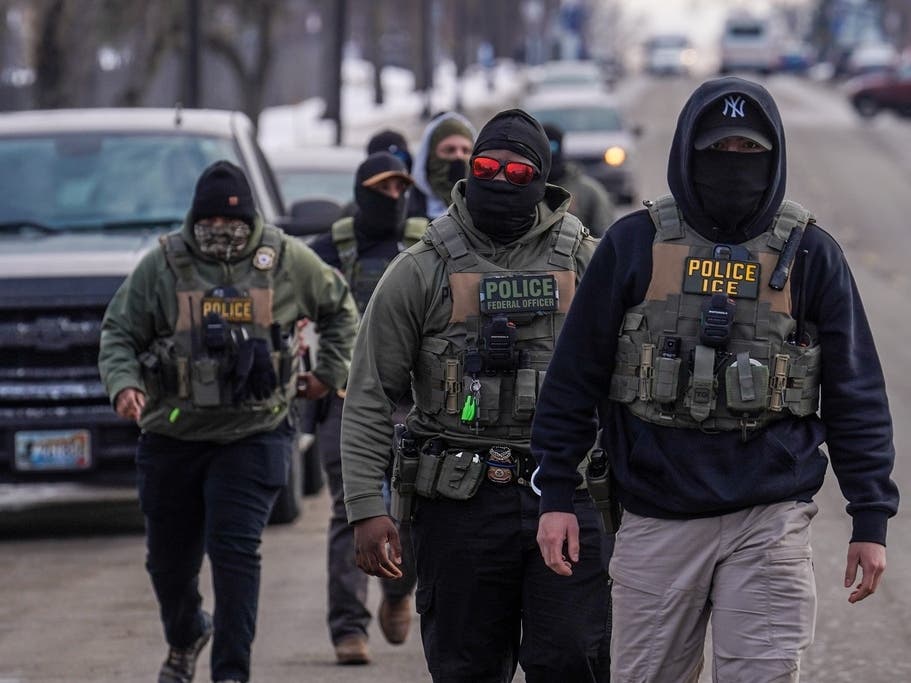
The Trump administration plans to end immigration enforcement operations in Minnesota after heightened activity that included two deadly shootings by federal agents, border czar Tom Homan said Thursday.
Homan made the announcement at a news conference, adding that coordination with local law enforcement and the success of the Department of Homeland Security's crackdown on immigration in the state contributed to the end of Operation Metro Surge.
"I have proposed, and President Trump has concurred that this surge operation conclude," Homan said. "As a result of our efforts here, Minnesota is now less of a sanctuary state for criminals."
Find out what's happening in Minneapolisfor free with the latest updates from Patch.
U.S. Immigration and Customs Enforcement launched Operation Metro Surge on Dec. 1. Homan said federal agents will begin to withdraw this week and continue into next week. He said he will remain in the state "for a little longer" to ensure a successful end to the operation.
Federal authorities say the sweeps focused on the Minneapolis-St. Paul metro area led to the arrest of more than 4,000 people. While the Trump administration has called those arrested “dangerous criminal illegal aliens,” many people with no criminal records, including children and U.S. citizens, have also been detained.
Find out what's happening in Minneapolisfor free with the latest updates from Patch.
The operation also led to protests across the metro following the deaths of Renee Good and Alex Pretti, both of whom were fatally shot by federal agents.
Earlier this week, Gov. Tim Walz said the federal immigration enforcement surge in Minnesota could begin winding down within days.
Walz said he spoke with Homan and Trump's chief of staff Susie Wiles, and was left with the impression that a drawdown of federal agents is imminent.
“It’s my expectation, and we will hear more from them in the next day or so, that we are talking days, not weeks and months,” Walz said.
State and city officials also pointed to widespread economic and workforce disruptions tied to the federal surge as part of their case for ending the operation. Walz has said there is “absolutely no upside” to continuing the enforcement effort and has cited polling showing public opposition to ICE’s actions in Minnesota.
About 6 in 10 U.S. adults say President Donald Trump has “gone too far” in sending federal immigration agents into U.S. cities, according to a new AP-NORC poll.
The Associated Press contributed reporting.
Get more local news delivered straight to your inbox. Sign up for free Patch newsletters and alerts.