Kalispell, MT|Local Classified|Other|

On-Page SEO Optimization Tips: The Complete Guide for 2026 | Optifi.AI
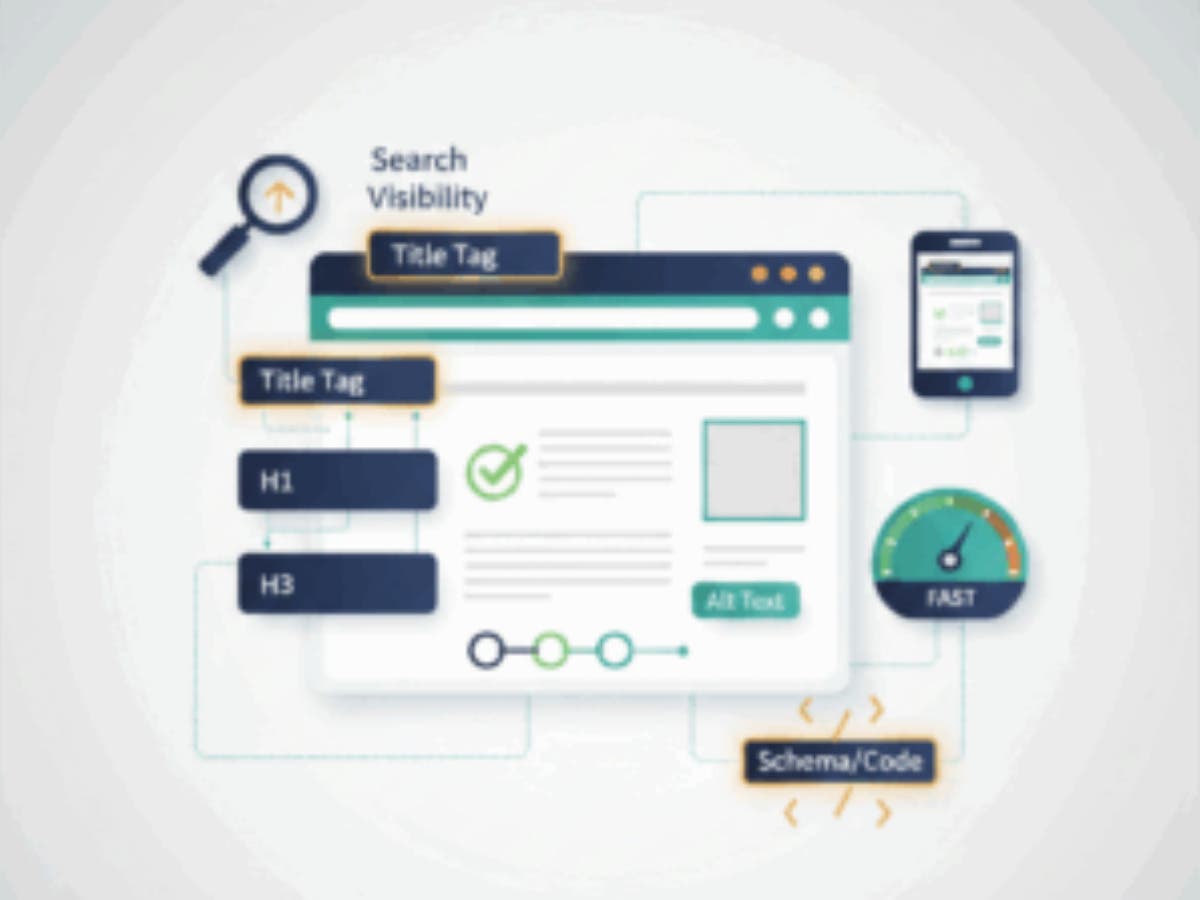
Most businesses think SEO is just about backlinks or ads, but one of the most powerful ranking factors happens directly on your website. This is called on-page SEO, and it plays a major role in how Google understands, evaluates, and ranks your content.
If your pages aren’t properly optimized, even the best products or services can remain invisible in search results.
What On-Page SEO Really Means
On-page SEO refers to all the elements you can control directly on your website to improve rankings. This includes your content, structure, keywords, metadata, and internal linking.
Unlike off-page SEO (which relies on external signals like backlinks), on-page SEO gives you direct control over how search engines interpret your site.
In 2026, Google has become far more focused on context, clarity, and user experience, making on-page SEO more important than ever.
Why On-Page SEO Matters for Rankings
Google’s algorithm doesn’t just scan your website—it tries to understand it.
If your content is unclear, poorly structured, or not aligned with search intent, Google will struggle to rank it, even if your site has authority.
Strong on-page SEO helps:
- Improve keyword relevance
- Increase time spent on page
- Reduce bounce rates
- Strengthen internal site structure
- Improve click-through rates from search results
When these signals align, rankings improve naturally over time.
1. Title Tags and Meta Descriptions
Your title tag is one of the first things Google and users see. It tells both what your page is about.
A strong title tag should:
- Clearly describe the page topic
- Include a primary keyword naturally
- Stay concise and readable
Meta descriptions don’t directly affect rankings, but they influence click-through rates. A compelling description can significantly increase traffic from search results.
2. Content Optimization and Search Intent
Modern SEO is no longer about keyword density—it’s about search intent.
Your content must fully answer what users are looking for. If someone searches for a solution, your page should provide complete, actionable information—not surface-level explanations.
High-ranking pages typically:
- Go deeper than competitors
- Answer related questions
- Provide structured, easy-to-read content
- Avoid filler or unnecessary fluff
Google rewards pages that satisfy users completely.
3. Header Structure (H1, H2, H3)
Headers help organize your content for both users and search engines.
A clear structure:
- Improves readability
- Helps Google understand topic hierarchy
- Increases content relevance signals
Each section should focus on a single idea, making the page easier to scan and understand.
4. Internal Linking Strategy
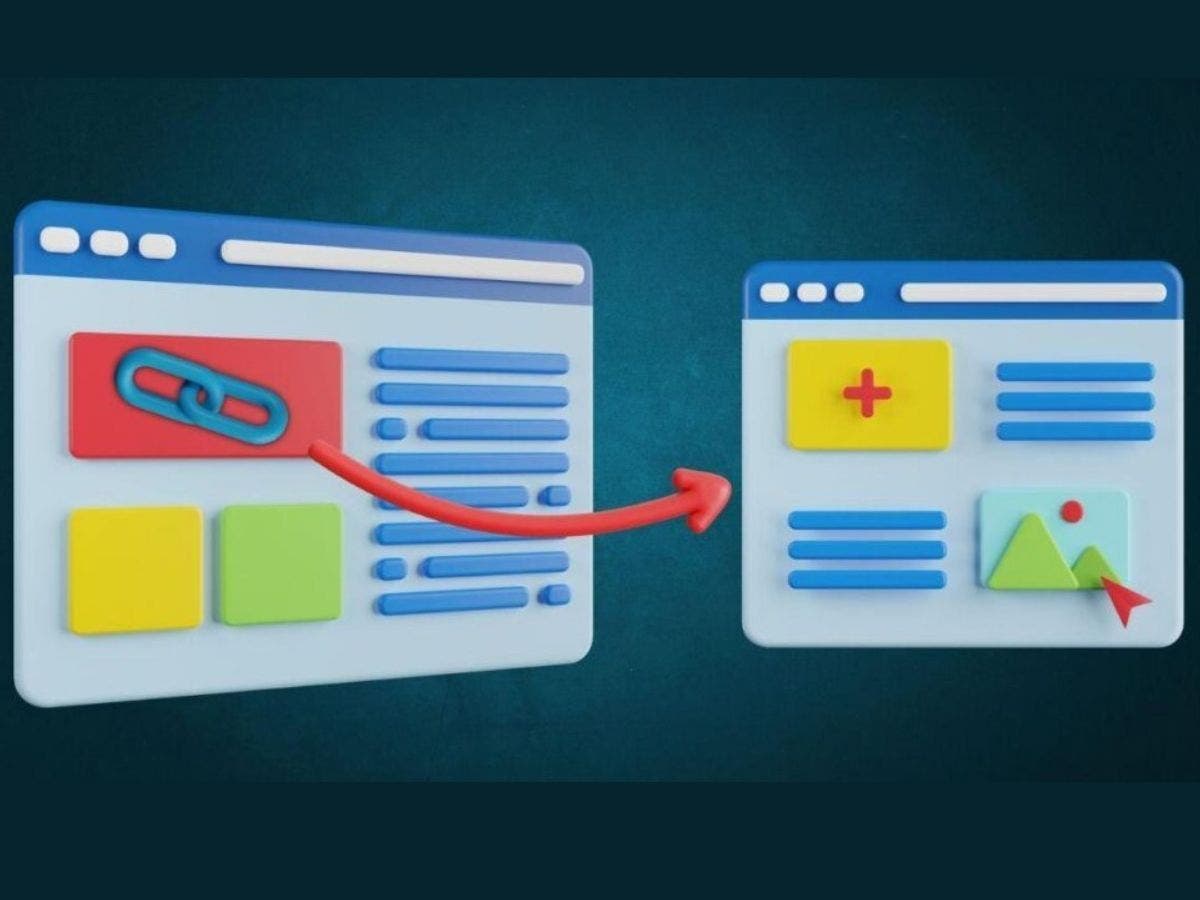
Internal links connect pages within your website and help distribute authority across your content.
They also:
- Guide users to related information
- Improve crawlability for search engines
- Strengthen topic relevance
A well-structured internal linking system can significantly improve overall site performance.
5. Image Optimization and Page Speed
Visual elements play a big role in user experience, but they must be optimized properly.
Large, uncompressed images can slow down your site, which negatively impacts rankings.
Optimizing images and improving load speed helps:
- Increase mobile performance
- Reduce bounce rates
- Improve Core Web Vitals scores
6. Mobile-Friendly Design
Google prioritizes mobile-first indexing, meaning your mobile site is the primary version used for ranking.
If your site doesn’t perform well on mobile devices, rankings will suffer regardless of desktop performance.
The Bottom Line
On-page SEO is the foundation of search visibility. Without it, even strong marketing efforts struggle to deliver results.
It ensures that your website is clear, structured, and easy for Google to understand—while also improving the experience for real users.
👉 Want Higher Rankings Without Guesswork?
Optifi AI helps businesses optimize their on-page SEO using AI-driven strategies that improve visibility, structure, and search performance.
Contact Optifi AI to start improving your website rankings today.
Read the original post here:
https://optifi.ai/on-page-seo-optimization/