Politics & Government
Bills Loosening Residency Requirements For Voting In NH Vetoed
Gov. Chris Sununu rejects rollback of residency changes approved in 2017-2018. Potential 2020 challenger state Sen. Dan Feltes slams vetoes.


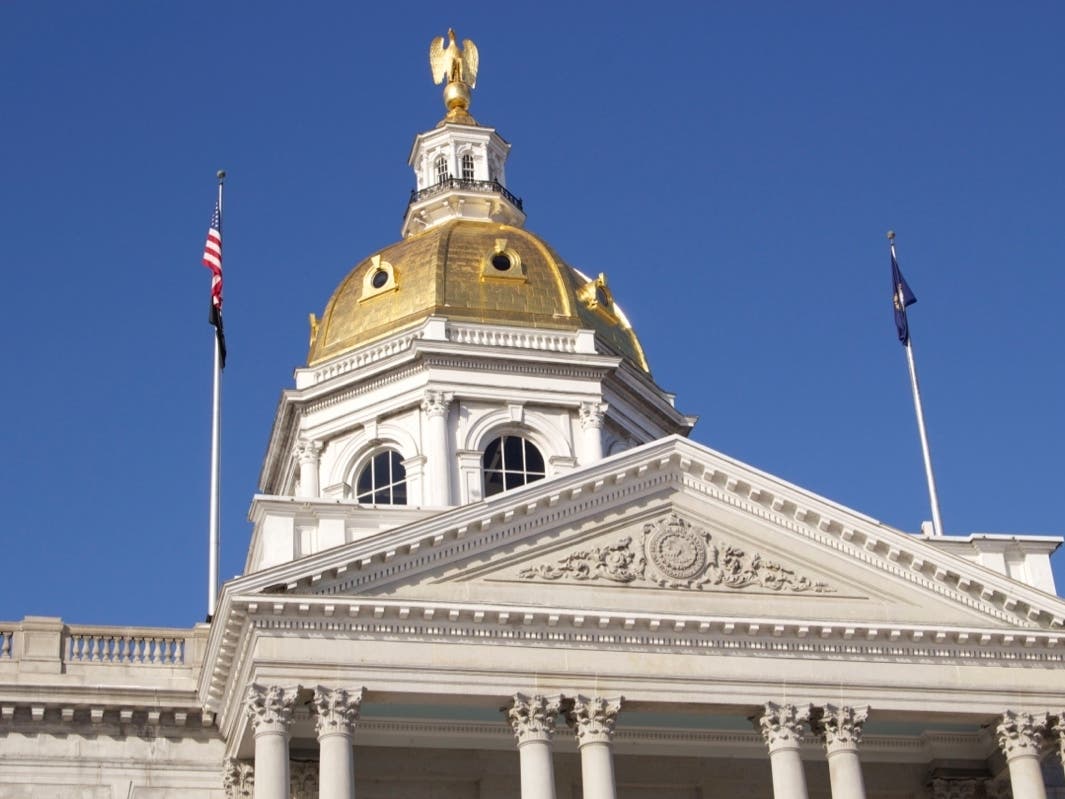
CONCORD, NH — Two bills that sought to rescind and loosen residency requirements when it comes to voting in the state of New Hampshire were vetoed Monday by Gov. Chris Sununu, R-NH. HB 105 and HB 106 – bills that attempted to reverse changes made by the Republican-controlled Legislature and approved by Sununu in 2017 and 2018 – were approved by Democrats in the House and Senate earlier this year. The previous bills – SB 3 and HB 1264 – clarified the definition of domicile for voting purposes and disallowed temporary visitors to the state from voting in New Hampshire if domiciled in another state.
In vetoing the bills, Sununu called the legislation made two years ago as "commonsense changes" to the voter registration to ensure integrity of state elections.
"Opponents of Senate Bill 3 made claims that this bill would discourage various groups of voters from participating in our elections," Sununu wrote in a veto message of HB 105. "In fact, in the 2018 general election, the state saw record turnout in many towns with high populations of those voters."
Find out what's happening in Concordfor free with the latest updates from Patch.
For HB 106, Sununu stated that the changes made two years ago "put every voter in New Hampshire on equal footing making all those who vote in New Hampshire subject to the same legal requirements." The change also "aligns with virtually every other state in requiring residency in order to vote."
State Sen. Dan Feltes, D-Concord, the body's majority leader and a potential challenger to Sununu next year, criticized the vetoes, and said Democrats were only trying to undo the damage caused by partisan legislation two years ago.
Find out what's happening in Concordfor free with the latest updates from Patch.
"Once again, Governor Sununu has decided to make voting more difficult for the people of New Hampshire," Feltes said. "Granite Staters should not have to worry about their ability to cast a ballot, especially in the first-in-the-nation presidential primary. Unfortunately, because of the governor’s vetoes today, some eligible voters, including college students and senior citizens, may be discouraged or even blocked by current law from exercising their right to vote."
GOP leaders, however, applauded the vetoes, especially in the wake of thousands of voters in New Hampshire discovered to be participating in the state's elections using out-of-state driver's licenses as identification and elections often being decided by a handful of votes.
"The mantra from Democrats is that they want clean and fair elections, but their legislation suggests they only want to remove reasonable provisions from our laws that provide for cleaner and fairer elections," said House Republican Leader Dick Hinch, R-Merrimack. "Within the last year, the NH Supreme Court issued an advisory opinion on HB 1264 stating there is nothing unconstitutional about requiring individuals to make a choice as to where they are residents … HB1264 and SB3 did not make us any different from our neighboring states. I am deeply disappointed that Democrats did not see through the conspiracies, misleading information, and classic fear mongering perpetuated by proponents of these bills."
A number of lawsuits concerning the original bills potential suppressing voters received a temporary injunction before the mid-term election in 2018, but later was rejected by courts in the state. College students were arrested at the Statehouse earlier this year protesting the bills.
At issue with both is a long simmering debate over "drive-by voting" – who should be allowed to vote in New Hampshire, a state which has some of the loosest voter registration laws in the country – while Senate races are being decided by 1,000 votes. While lawsuits by college students, residency, and voting date back to the 1970s, the issue has become more heated in New Hampshire since the adoption of same-day voter registration in the mid-1990s. The domicile loophole has allowed college students who don't qualify for in-state tuition rates, since those are based on residency, to vote, as a convenience, instead of filing absentee ballots in their home states, where they live. "Visiting professionals" – including political campaign workers who come to the state every four years for the first-in-the-nation primary cycle – as well as others have also cast ballots even though they don't live in the state.
The issue came to a head in 2014 after Secretary of State Bill Gardner, a Democrat, told the editorial board director of the New Hampshire Union Leader that he witnessed vote fraud, with his own eyes, in 2008, when a polling worker in Manchester allowed AmeriCorps volunteers to cast ballots even though they didn't live in the state and were leaving their assignments a few weeks later. Gardner's work educating the public about the loophole and the need to fix it, as well as his participation in the short-lived Presidential Advisory Commission on Election Integrity, caused a challenge to his job by another Democrat last year, former gubernatorial candidate Colin Van Ostern. Gardner was re-elected by the Legislature by four votes in December 2018.
Since 2010, the Legislature has gone back and forth with changes, tweaks, and updates to the state's laws, often based on which political party controls the bodies and corner office. Democrats have called any changes to the previous domicile status an attack on voting rights; Republicans have stated that non-residents don't have voting rights to cast ballots in states where they don't live in.
It is unknown whether or not the vetoes will be overridden but it looks unlikely, based on previous votes cast. HB 105 and HB 106 were approved by only 57 percent and 58 percent, respectively, of representatives in attendance in March, with to 33 to 36 not voting or absent. Even if all the representatives who were absent or didn't vote joined with supporters of the bills, both would still fall short of the two-thirds needed to override the vetoes.
In the Senate, if it's a party-line vote, the veto will be sustained.
Got a news tip? Send it to Tony Schinella at tony.schinella@patch.com.
View videos at https://www.youtube.com/user/tonyschinella.
Follow the New Hampshire Patch Politics Twitter account @NHPatchPolitics for all our campaign coverage.
Get more local news delivered straight to your inbox. Sign up for free Patch newsletters and alerts.