Politics & Government
Eliminating the Risk of CO Poisoning in the Home
November as Carbon Monoxide Awareness month in New Hampshire. Here are some things you need to know.


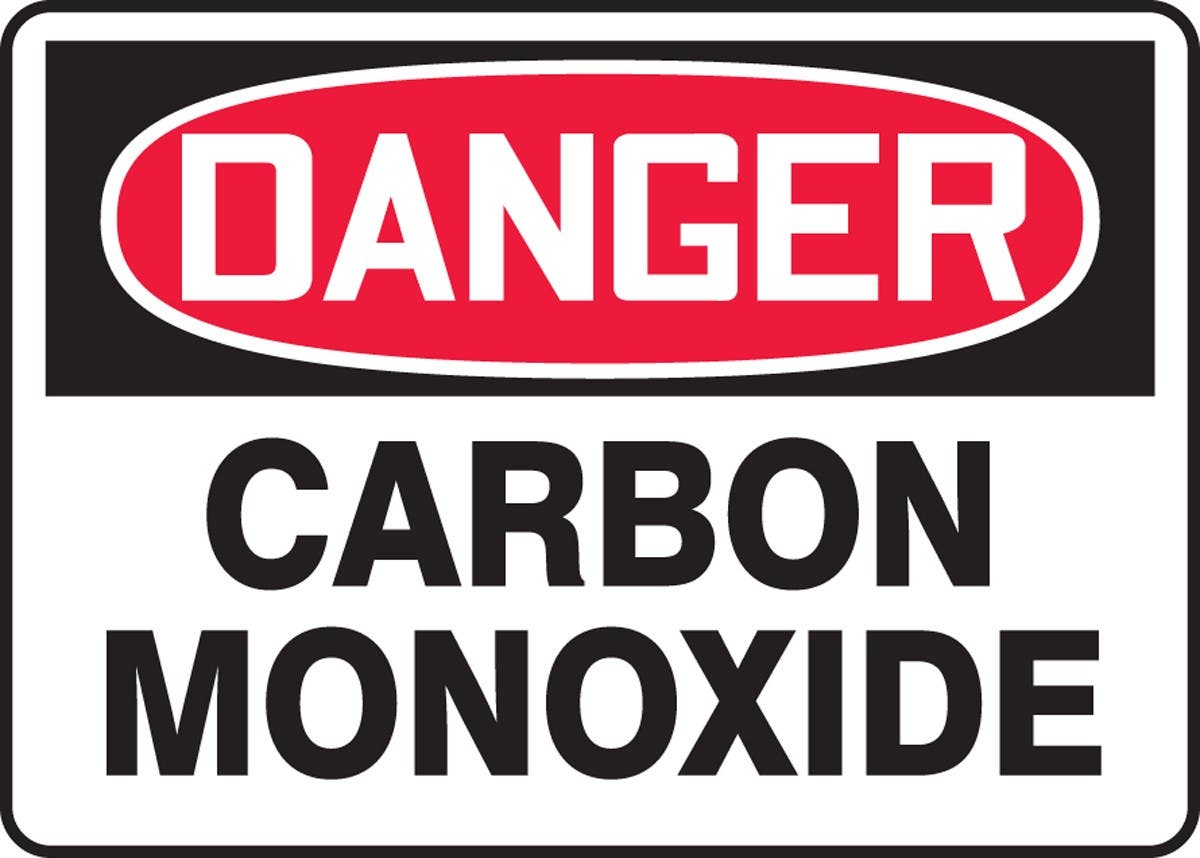
At the request of State Fire Marshal J. William Degnan and The Carbon Monoxide Work Group, New Hampshire Gov. Maggie Hassan, D-Exeter, signed a proclamation to declare November as Carbon Monoxide Awareness month.
Degnan and the New Hampshire Association of Fire Chiefs’ president and Goffstown Fire Chief Richard O’Brien want to remind residents about the dangers of carbon monoxide levels in your homes.
“Carbon monoxide (CO) is produced whenever any fuel such as gas, oil, kerosene, wood, or charcoal is burned. As the winter months come upon us, our use of fuel for heating increases thereby, increasing the potential for elevated levels of carbon monoxide,” Degnan said.
Find out what's happening in Concordfor free with the latest updates from Patch.
Nationwide, hundreds of people die accidentally every year from CO poisoning caused by malfunctioning or improperly used fuel-burning furnaces or appliances. This year in New Hampshire there was one reported fatality due to CO exposure.
O’Brien advised, “Unvented space heaters should never be used as a primary source of heat. Should your family need the extra warmth and use an unvented space heater, be sure to install a carbon monoxide alarm.”
Find out what's happening in Concordfor free with the latest updates from Patch.
Fire departments responded to 876 New Hampshire households for CO concerns and NH hospitals reported treating 117 patients. That is why CO alarms are so important. Infants, elderly people, unborn babies, and people with anemia or with a history of heart or respiratory disease can be especially susceptible. Symptoms of CO poisoning may include headache, dizziness, weakness, nausea, vomiting, sleepiness, and confusion. Do not ignore symptoms, particularly if more than one person is feeling them.
Degnan warned, “If you suspect CO poisoning, get outside to fresh air immediately, and then call 911.”
Techniques to reduce the risk of CO poisoning in your home when using fuel-burning devices include:
- Have a trained professional inspect, clean, and tune-up central heating system (furnaces, flues, and chimneys) annually. Repair any leaks promptly.
- Install CO alarm(s) with battery backup outside of sleeping areas.
- Test your CO alarm(s) frequently and replace dead batteries.
- Do not use a gas oven to heat your home, even for a short time.
- Keep gas appliances properly adjusted.
- Do not use any gasoline-powered engines, such as portable generators, in enclosed spaces, including your garage and locate them at least 10 feet from your house with the exhaust facing away from the building.
- Do not idle your vehicle inside a garage.
- Do not sleep in any room with an unvented gas or kerosene space heater.
- Make certain that doors on all wood stoves fit tightly.
For more information visit the websites nh.gov/co, nfpa.org , or email FMO@dos.nh.gov.
Get more local news delivered straight to your inbox. Sign up for free Patch newsletters and alerts.