Politics & Government
Medicinal Marijuana Advocates Hope For Success This Year [VIDEO]
Legislation has "strong, bipartisan support."


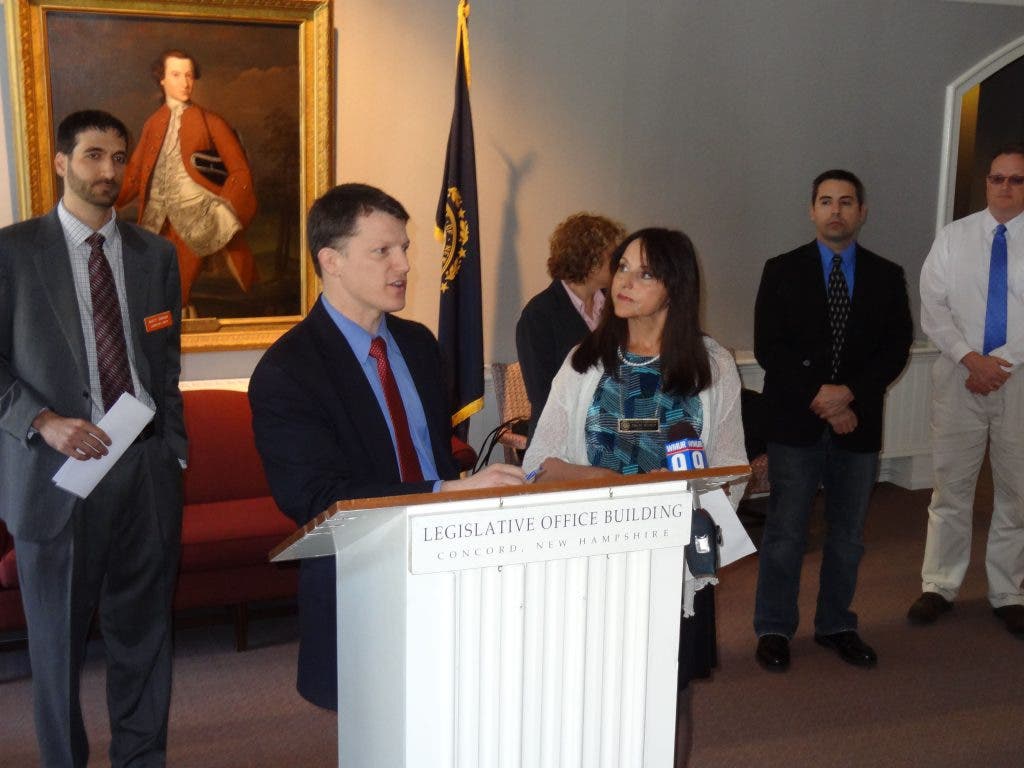

Advocates of under a doctor’s care in a highly regulated environment held a press conference on March 27, touting some changes to their legislation and the bipartisan nature by which they’ve been able to garner support for the bill.
State Rep. Evalyn Merrick, a breast cancer survivor, has been working on the issue for more than six years and said she proposed the legislation after becoming elected and being able to share her personal “very brief but life-saving experience” with medicinal marijuana use. Merrick said, while she didn’t discount other treatments, it was medical cannabis that helped her recover and “gave me the strength to live.”
Merrick said many of those who suffer from diseases like other cancers, glaucoma, MS, ALS, and other sicknesses have found relief from contemporary medicine side effects by using marijuana to relieve their symptoms.
Find out what's happening in Concordfor free with the latest updates from Patch.
“This legislation has strong, bipartisan support, in both chambers,” she said, noting that the full state Senate Health & Human Service Committee voted 5-0 to approve the bill. “It has time and time again passed with broad support.”
Merrick said she expected the bill, SB 409, to be approved in both houses. The issue also has strong support with the public.
Find out what's happening in Concordfor free with the latest updates from Patch.
“We look forward to having the governor’s support when it passes both houses,” she said.
State Sen. , R-Strafford, talked about some of the changes made to the proposal by law enforcement officials including regulations, compliance issues, and fines when people don’t obey the regulations.
“We tried to start this bill off as responsible as possible,” he said.
Qualifications are strict in the bill, Forsythe said. Law enforcement officials requested that the amount of transferrable marijuana be reduced to two ounces and that plant numbers be reduced to six, since plants can get very large. Caregivers involved in the cultivation and transportation would also need to have specific identification in their possession or they would be fined. The Health and Human Services Department also asked for changes, including fully funding the program through private donations so that no state money would be used starting the program up and making sure that no state employee was involved in breaking federal law. A sunset provision of three years has also been put into the bill, Forsythe noted.
“We’re very confident, as has happened in other states, that law enforcement, after this gets up and running, they will see that it’s not a safety concern,” he said. “In fact, it helps cut down on illegal drug use because patients aren’t going to illegal drug dealers.”
Forsythe said that he hoped opponents of the bill would listen to others who once were opponents but now were supporting the bill, due to all the tweaks and changes that had been made.
Matt Simon of the Marijuana Policy Project said as a legislative analyst, he has been able to look at both the good and the bad in other state laws and make the New Hampshire bill the best it can be. Two states right next door to New Hampshire, Maine and Vermont, both have programs that “seem to be doing well,” he said.
Tuftonboro resident Ted Wright called the bill “a no brainer” noting that his wife had been battling breast cancer for more than 18 years. She was on an experimental treatment recently but was withering away because she could not hold down food. Out of desperation, they tried the marijuana and now, she has gained weight back and been able to continue the experimental treatment.
Dennis Acton of Fremont, a cancer survivor, said he too had tried marijuana while under going treatment and it was the only thing that got him through.
“What it really boils down to for me is personal freedom and personal responsibility,” he said. “All the bases are covered here.”
Between 1981 and 1998, according to advocates, the state had a medical marijuana provision but it was repealed. Some bills have not made it out of the Legislature and even when they did, Gov. has vetoed them. Lynch has not made any public statements about this new medicinal marijuana bill. However, advocates believe they will have a veto-proof majority with the new bill.
Get more local news delivered straight to your inbox. Sign up for free Patch newsletters and alerts.