Politics & Government
NHDES Declares Air Quality Action Day
Unhealthy air pollution levels predicted for Aug. 17, 18, around the Granite State, according to officials.


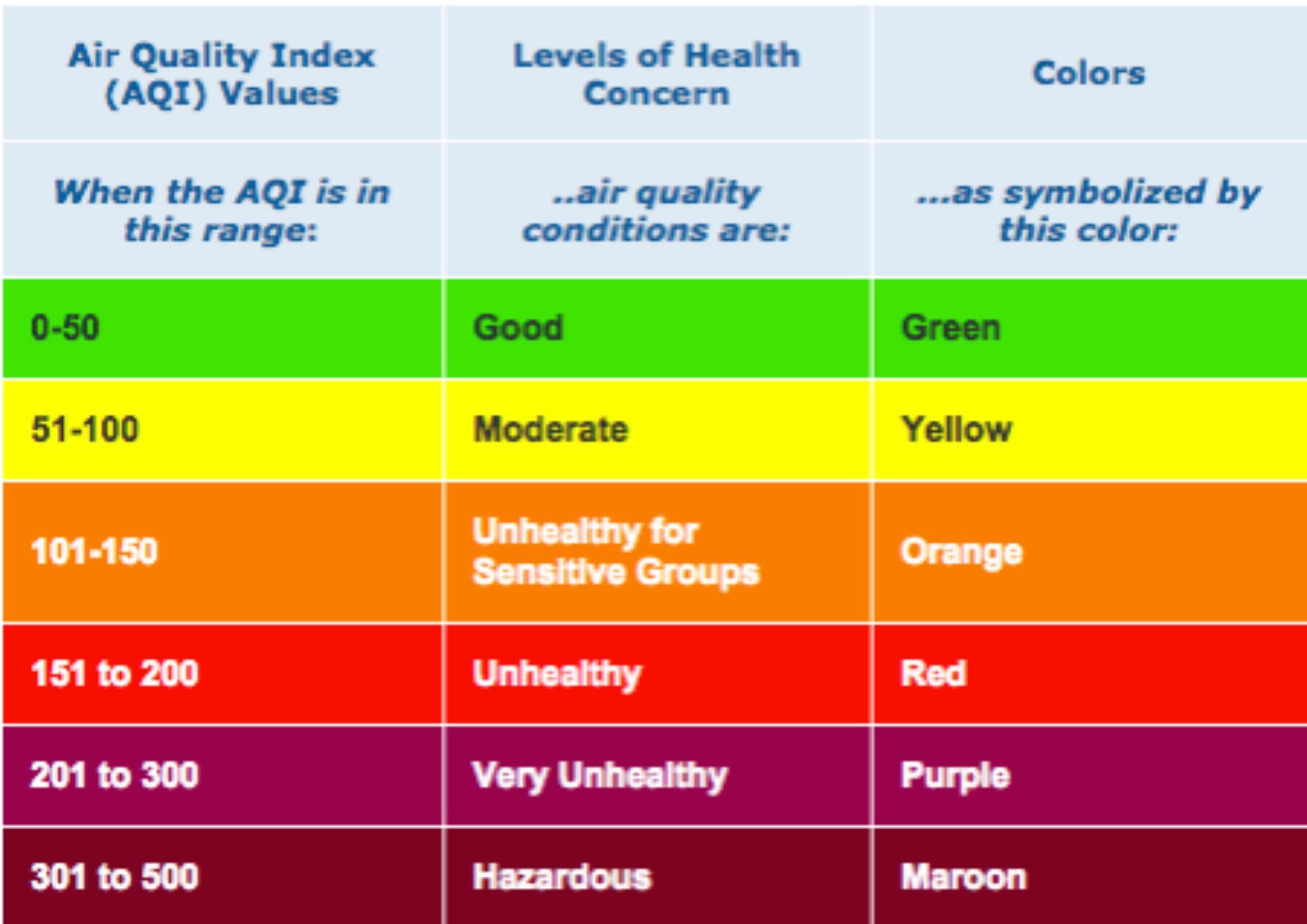
The New Hampshire Department of Environmental Services (NHDES) is expecting air pollution concentrations to reach unhealthy levels for sensitive individuals in individuals in coastal Rockingham County and at elevations above 3,000 feet throughout New Hampshire on Aug. 17, and Aug. 18, 2015, according to a press statement.
NHDES officials are calling for an Air Quality Action Day and advise sensitive individuals in these areas to take precautions to protect their health by limiting prolonged outdoor exertion. Sensitive individuals include children and older adults, anyone with lung disease such as asthma, emphysema, and bronchitis, and people who are active outdoors. Even healthy individuals may experience mild health effects and should consider limiting strenuous or prolonged outdoor activities.
DES forecasts unhealthy concentrations of ground-level ozone (the main component of smog) for sensitive individuals in the above-mentioned regions. In addition, concentrations of fine particle pollution are forecasted to be moderate throughout the state. The combination of the two pollutants may intensify health effects.
Find out what's happening in Concordfor free with the latest updates from Patch.
The expected unhealthy air quality is due to the persistence of high temperatures under sunny skies and light winds transporting pollution into New Hampshire from surrounding areas. Air quality conditions should improve on Wednesday with an expected wind shift bringing slightly cleaner air into the region.
Symptoms of ozone exposure include coughing, wheezing, chest tightness or pain when inhaling deeply, and shortness of breath. Symptoms of particle pollution exposure for people with heart disease may include chest pain, palpitations, shortness of breath, and fatigue. People with existing lung diseases may not be able to breathe as deeply or vigorously as normal and may experience symptoms such as coughing and shortness of breath. The severity of the health effects increases as ozone and fine particle concentrations increase. In addition to harmful health effects, fine particle pollution may create hazy conditions that reduce visibility.
Find out what's happening in Concordfor free with the latest updates from Patch.
For further information, contact NHDES at 603-271-1370.
For air quality forecasts and current air pollution levels in New Hampshire, call 1-800-935-SMOG or visit the NHDES website at airquality.nh.gov.
Get more local news delivered straight to your inbox. Sign up for free Patch newsletters and alerts.