Politics & Government
NH House Seeks Bans On Obscene And Harmful Materials
HB 434 develops a procedure for schools to determine if a parent's objection is legit; SB 430 creates educator reporting requirements.

CONCORD, NH — The House Thursday passed yet another bill to ban books and other materials in public schools as well as a bill mandating educators answer almost all parents’ questions regarding their children.
Book Ban
House Bill 434 requires school districts to develop a procedure to determine if a parent’s or individual’s objection to material in public schools should be removed from schools.
Find out what's happening in Nashuafor free with the latest updates from Patch.
Supporters say the bill follows the long-standing guidance from the “Miller test” used to legally determine if material is obscene or harmful to minors.
The test is if it appeals to prurient interest, is patently offensive, and lacks serious literary, artistic, political or scientific value.
Find out what's happening in Nashuafor free with the latest updates from Patch.
Rep. Kristin Noble, R-Bedford, said the bill provides “a bright line (to indicate) material that is primarily pornographic and lacks value.”
But opponents said school districts currently have policies in place to decide complaints concerning materials used in public schools, and the proposal would allow one parent to have material removed from schools without the knowledge of other parents who may not object to the material.
They also said the bill would also expand educational materials to include such things as pamphlets, records, pictures, drawings, photographs, figures, statues, plays, or dances.
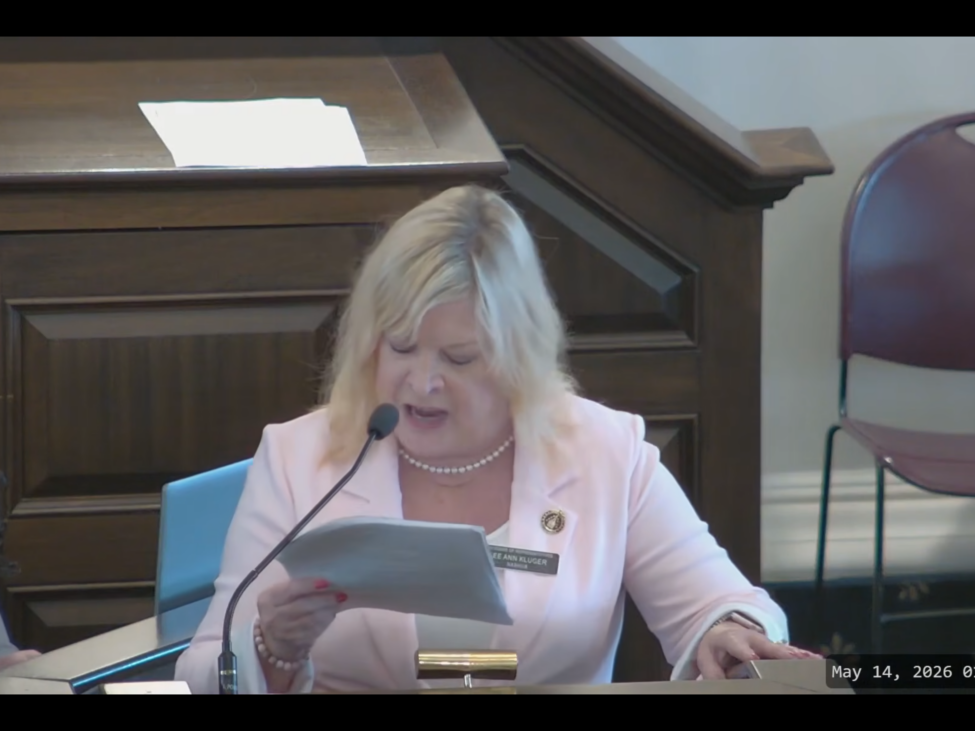
That is government overreach far beyond the bill Gov. Kelly Ayotte vetoed last year saying lawmakers should not be determining the literary or scientific value of materials and would open the state to litigation said Rep. Lee Ann Kluger, D-Nashua.
Rep. Megan Murray, D-Amherst, said the bill would override local policies currently in place based on community standards and would move into censorship.
The bill passed on a 188-161 vote and will go back to the Senate due to the changes the House made in the bill.
Mandatory Disclosure
The House passed a bill that would require teachers and other public school personnel to “completely and honestly” respond to parents’ and guardians’ written requests for information about their child.
School personnel would have 10 days to respond to a request under Senate Bill 430 and could work with administrators if the student would be at risk of abuse, neglect or physical harm due to the request, but would require the teacher to meet mandatory reporting requirements to the Department of Health and Human Services concerning child abuse.
Supporters of the bill say it meets the principle that parents have a right to know what is happening with their own child at school.
But opponents of the bill say it violates students’ rights and privacy and destroys the trust that is foundational to the public school environment between students and educators.
Rep. Stephen Woodcock, D-Conway, said students often share something with a trusted teacher they are not comfortable sharing with their parents.
It is the student’s right to determine when to share that information with the parent, he said.
Rep. Loren Selig, D-Durham, said teachers and counselors can help students who are struggling with issues and help guide them, if they seek help.
Students will be less likely to share information with educators if the bill becomes law, she noted.
But Rep. Melissa Litchfield, R-Brentwood, said it is a simple bill that requires teachers to answer a parent’s or guardian’s question, and they can say no if it would put the student in danger.
“We are the parents,” she said. “Aren’t we supposed to give them the support?”
The House passed the amended bill on a 193-163 vote and has to go back to the Senate because of the changes the House made.
Garry Rayno may be reached at garry.rayno@yahoo.com.
This article first appeared on InDepthNH.org and is republished here under a Creative Commons license.