Community Corner
Pretty But Painful Purple Jellyfish Stinging Swimmers At Jersey Shore Beaches
Purple meanies, also known as the mauve stinger, are stinging people up and down the New Jersey coast. Here's what to know.


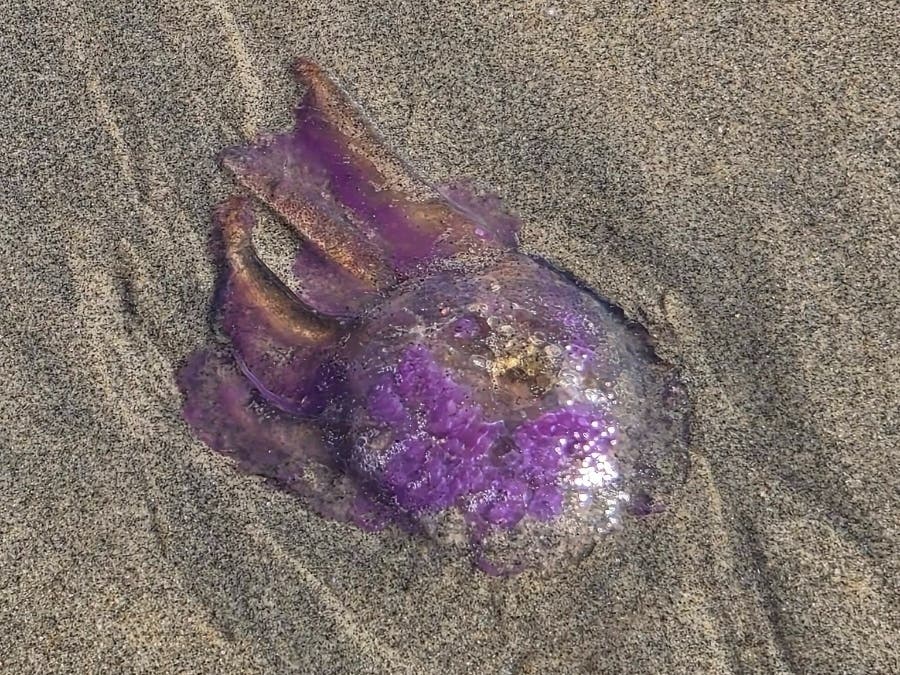
If you're planning to swim or wade at the Jersey Shore this weekend, bring a jellyfish sting kit, as reports are coming in from up and down the coast about painful stings from purple jellyfish.
The jellyfish, known as mauve stingers or purple meanies, have been reported from Sandy Hook to Cape May, according to posts in the New Jersey Jellyspotters Facebook group.
Posts about mauve stinger sitings started showing up in the group in late August, but in the last week they have expanded substantially, with reports from Sea Bright, Asbury Park and photos and video from Ship Bottom and Beach Haven among the many comments, and multiple reports of people being stung.
Find out what's happening in Across New Jerseyfor free with the latest updates from Patch.
The group, created in 2015 by Paul A.X. Bologna, a marine biologist and the director of the marine biology and coastal sciences program at Montclair State University who is a jellyfish expert, is a public resource where people can share sitings and ask questions.
Mauve stingers, also known by the species name Pelagia noctiluca, are widespread in the North Atlantic and South Atlantic, but are primarily an offshore pelagic species that lives in deep water, Bologna said in an email to Patch.
Find out what's happening in Across New Jerseyfor free with the latest updates from Patch.
"They are relatively uncommon along the shore," he said.
When they are present, it's the result of an upwelling event that pushes the jellyfish up to the surface and tides and currents that bring them closer to shore, Bologna said.
"This is the same process which brings the Portuguese man o war to our coasts once in a while," he said.
"In 15 years of studying jellyfish in New Jersey, I have seen them (mauve stingers) maybe 2 other times," he said, "but never in this abundance; so that is what makes it so unusual.
Given how many people have seen and posted their pictures, including the nasty stings, this is a real thing."
The mauve stinger is small, from 1 to 4 inches across and with tentacles up to 11 inches long. While purple is a common color, they can appear in shades of pink, purple, yellow, or tan, often marked with distinctive wart‑like spots across its bell, according to the Marine Conservation Society, a site based in the United Kingdom, where mauve stingers have wreaked havoc on fish farms.
In 2007 and in 2017 massive blooms of the jellyfish killed hundreds of thousands of salmon in fish farms off Ireland, according to BBC reports.
The last time they were seen in large numbers at the Jersey Shore was in September 2022, according to the New Jersey Jellyspotters group.
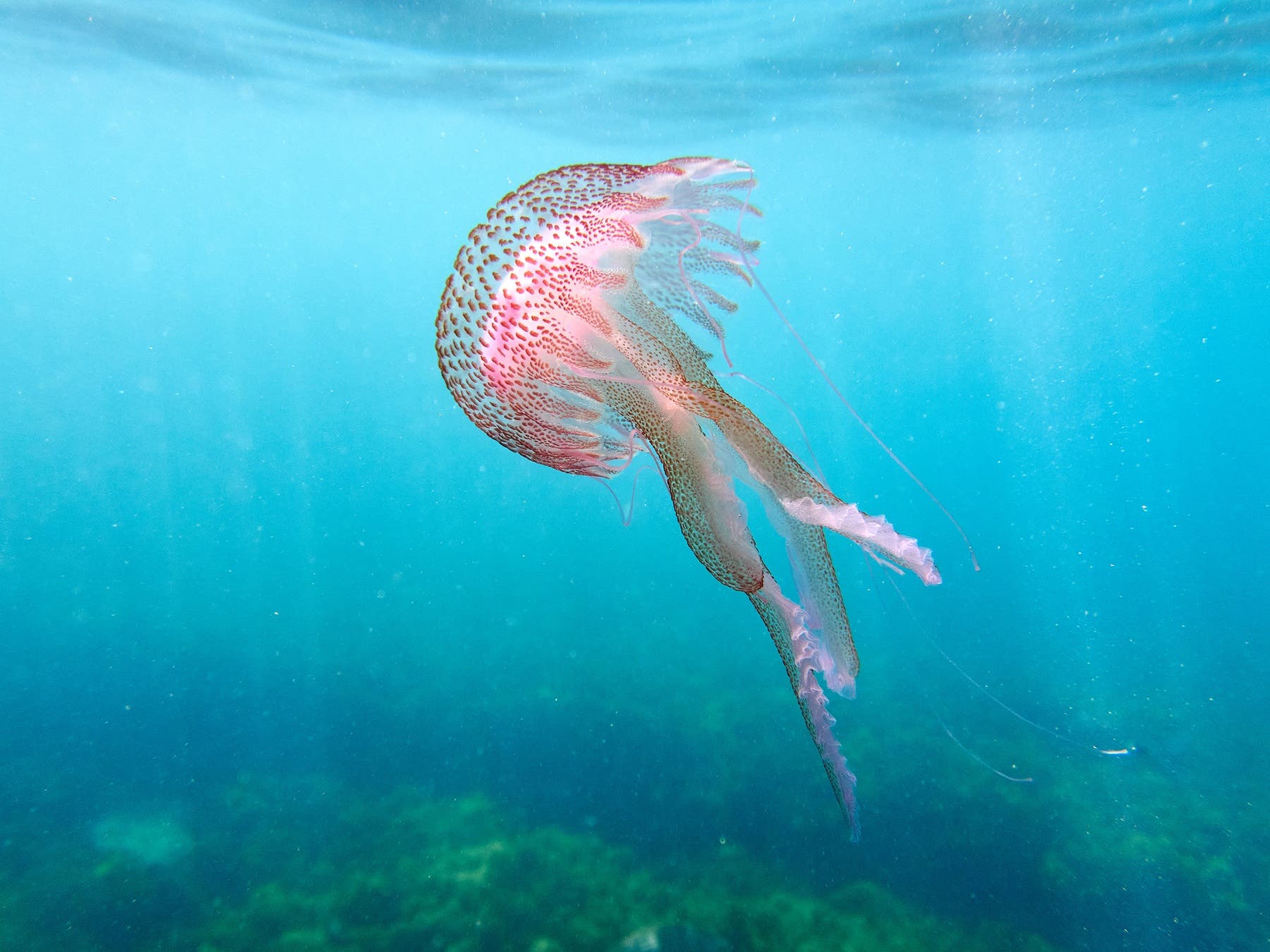
The jellyfish also "puts on an underwater light show by giving off quick flashes of bioluminescent light whenever it’s disturbed, making it appear to glow in the dark," the site said.
The purple meanies pack a powerful sting that causes lasting pain and itching, several posters said.
"I got stung 5/6 times on my legs in Bay Head while surfing last week," one commenter wrote. "Hurt like hell and it took 4 days for the pain to go away. Then the swelling and itching started. Not fun at all."
"They are very painful!!!" Bologna said in reply to one commenter. "I tested a small one about a decade ago and it killed the surface layer of living cells and I had a nice circle of necrotic tissue the next day. I won’t do that again."
While they are primarily being seen on oceanfront beaches, one commenter reported seeing them in Barnegat Inlet, which Bologna said was an effect of the tides and currents.
If you are planning to surf, wade or swim in the ocean, here are tips Bologna has provided in the past regarding treating jellyfish stings:
- Pour white vinegar on the stinging area immediately. This stops any stinging cells that have not fired.
- Rinse the sting area with the salt water you are in to wash away tentacles.
- "Do not use bottled water to rinse as osmotic shock will cause stinging cells left behind to fire and continue to sting," he says.
- Wipe the area clean with a clean towel or cloth.
- Benadryl or calamine lotion can help with itching, and over-the-counter pain medicines can be used for pain from the stings, depending on the severity.
Get more local news delivered straight to your inbox. Sign up for free Patch newsletters and alerts.