Barnegat-Manahawkin, NJ|Local Classified|Announcement|
A Woman’s Journey to Lifelong Bone Health
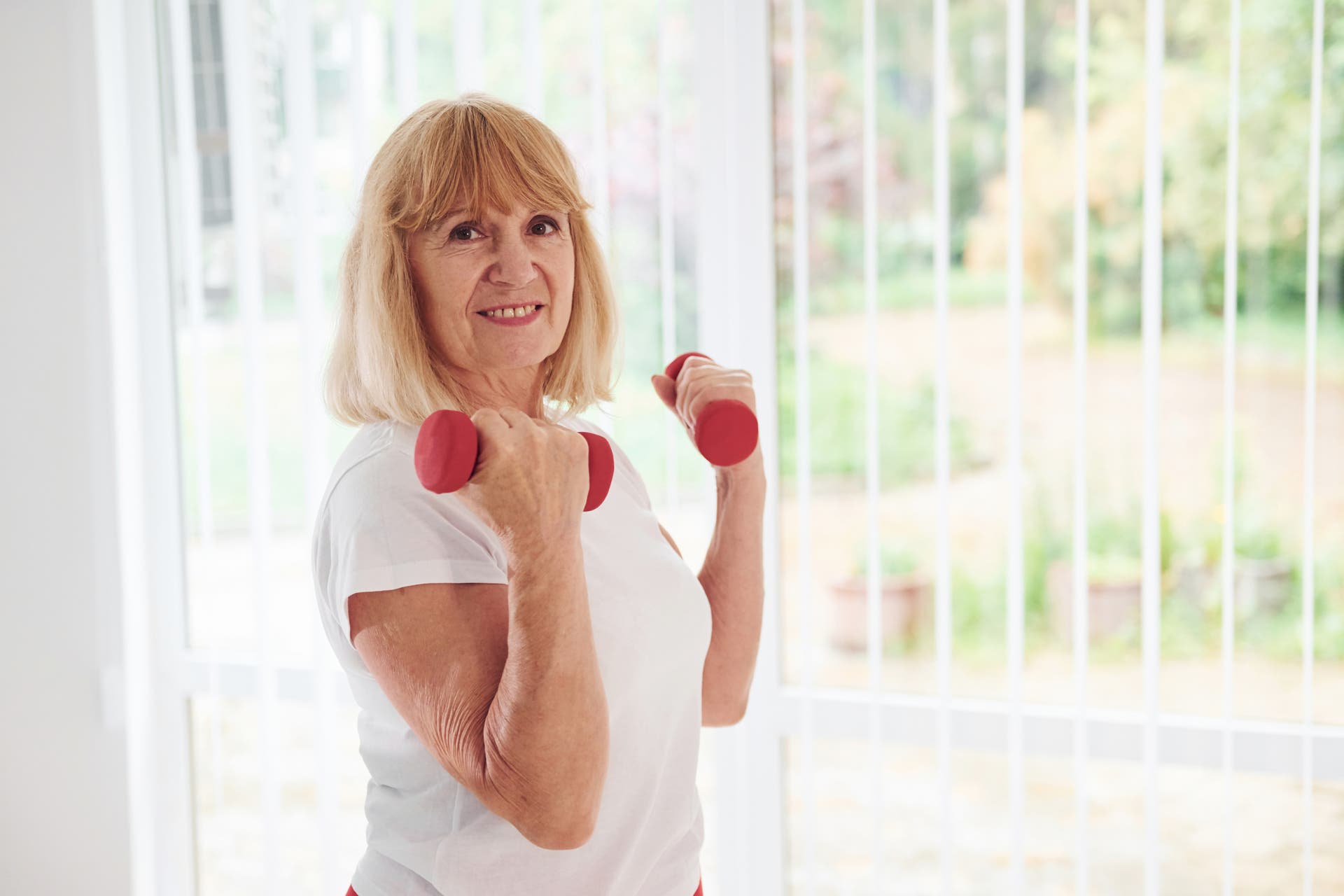
A Hackensack Meridian Health expert provides tips during Menopause Awareness Month
Manahawkin, N.J. - October 20, 2026 - Women often hear a lot about the importance of bone health, but the medical guidance on exactly when and how to take action can often feel conflicting. You might have been told by a doctor that you don't need to worry about getting a bone density scan until you hit age 65. However, Soma Mandal, M.D., medical director of Women’s Health at Hackensack Meridian Jersey Shore University Medical Center, is weighing in to change that narrative.
“There is a growing conversation to address bone prevention much earlier than 65,” Dr. Mandal shares. She emphasizes that taking proactive steps to protect your bones should be a lifelong journey – and one that begins well before menopause.
According to recent data from the Centers for Disease Control and Prevention (CDC), nearly 1 in 5 women (18.8%) aged 50 and older have osteoporosis. Furthermore, the National Institutes of Health (NIH) reports that osteoporotic fractures account for more than 2 million new cases per year.
Here is how you can navigate your bone health journey through the decades, understand the screening discrepancies, and take control of your fracture risk.
Your 40s and 50s: Advocacy and Establishing a Baseline
The current U.S. Preventive Services Task Force (USPSTF) guidelines state that women should get their first DEXA (bone density) scan at age 65 if they have no known risk factors. But here lies a critical discrepancy: 65 is the age when fracture risk begins to steeply climb, but the most significant bone density loss actually happens around age 52, the average age of menopause.
“We don’t usually associate menopause with changes in our bones,” she says. “Estrogen helps protect our bones from breakdown, but as we lose estrogen during menopause, we start to lose that protection.”
To bridge this gap, Mandal utilizes the FRAX (Fracture Risk Assessment) tool, which estimates a 10-year fracture risk by incorporating factors like BMI, prior fractures, family history, smoking, alcohol consumption and steroid use. This helps determine who needs a DEXA scan before 65. The scan provides a T-score, which compares your current bone density to the peak bone strength of a healthy 30-year-old.
What you can do now:
- Advocate for yourself: Ask your doctor if your risk factors warrant an early scan.
- Consider Hormone Replacement Therapy (HRT): While previous studies caused a generation of women to fear increased breast cancer risks, Mandal stresses that HRT is highly effective and requires a personalized conversation with your doctor.
- Lifestyle interventions: Engage in weight-bearing and resistance exercises, take Vitamin D supplements, avoid smoking, and limit alcohol intake.
Your 60s: Taking Action and Targeted Treatments
If you reach your 60s and a DEXA scan reveals low bone density, do not panic. "It is never too late," Mandal encourages. "Bone is a living tissue. You still have opportunities to strengthen your bones and reduce your fracture risk." At this stage, your doctor will closely monitor your T-score. If your risk is elevated, they may recommend non-hormone medications designed to build bone or slow its breakdown.
What you can do now:
- Explore medication options: First-line treatments often include bisphosphonates, though some women may benefit from SERMs (Selective Estrogen Receptor Modulators) or certain anabolic agents.
- Understand the goal: The objective isn't necessarily to get you back to "normal" bone density. Instead, doctors use these medications for a targeted time frame (usually 5 to 7 years) to significantly reduce your risk of a fracture from happening.
Your 70s and Beyond: Fracture and Fall Prevention
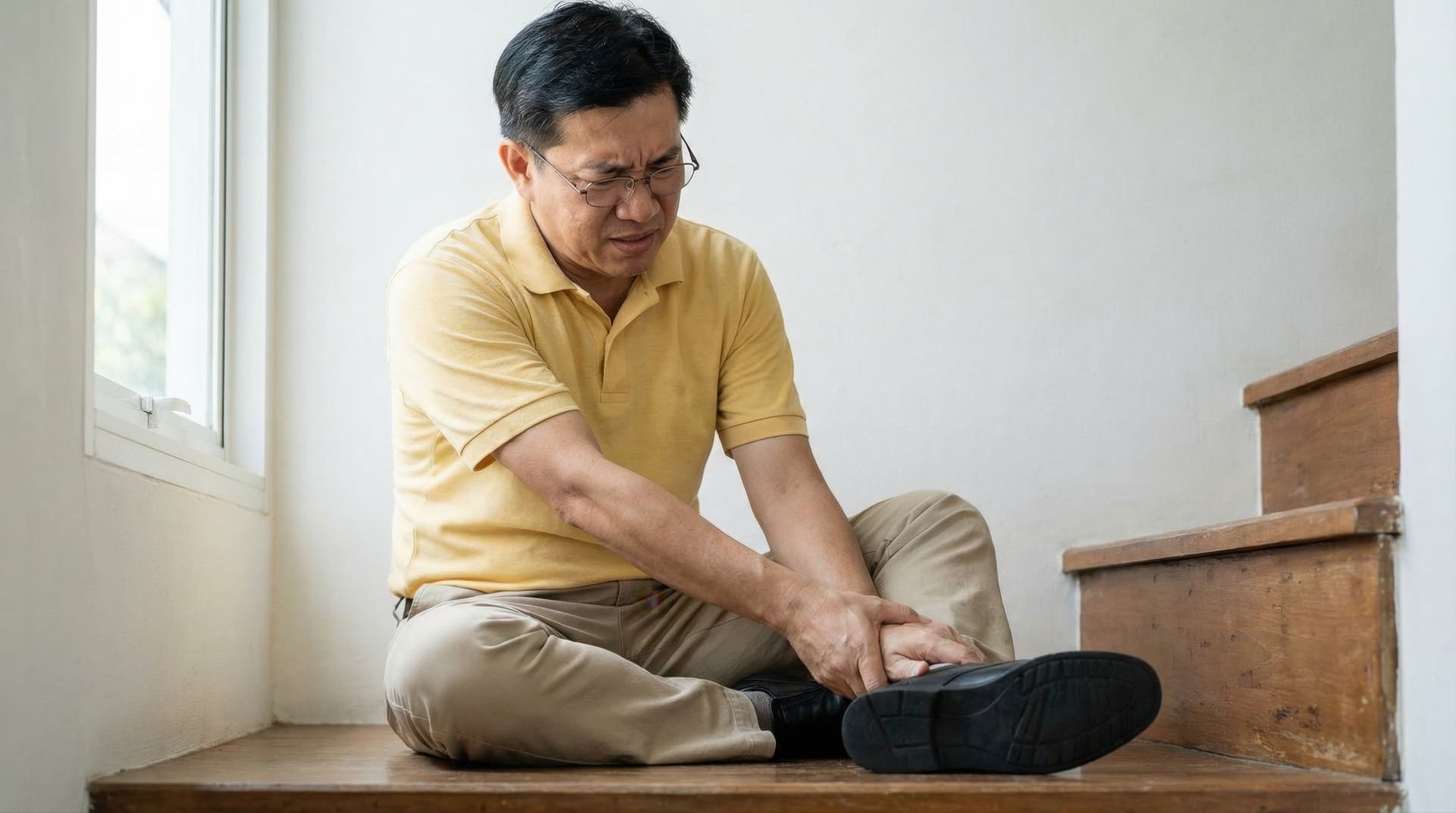
As you enter your 70s and beyond, the primary focus shifts heavily toward preventing falls. According to the CDC, falls are the leading cause of fatal and nonfatal injuries among adults aged 65 and older, and they cause over 90% of hip fractures. Treatment at this age is highly individualized based on your FRAX score.
What you can do now:
- Assess home safety: Don't walk in slippery socks on hardwood floors, ensure your rugs are secure, and install grip rails in the shower and on stairs.
- Enhance mobility and vision: Regular eye exams are vital, and do not hesitate to use a walker or cane regularly if you need one.
Osteoporosis and severe bone loss are preventable diseases, and it's time to shift the conversation. Don't wait until you're 65 to think about your bones. Be an advocate for your own health, understand your risk factors, and start building a foundation of strength today.
To learn more about bone health and bone density scanning, visit https://www.hackensackmeridianhealth.org/en/services/radiology-and-imaging.
###
(photo: vecteezy.com)