Barnegat-Manahawkin, NJ|Local Classified|Announcement|
Why Halloween Can Be a Psychological Minefield for Kids – and How to Help
A Hackensack Meridian Children’s Health expert weighs in
Manahawkin, N.J. - October 21, 2026 - As a child psychiatrist and a mother of five who has navigated this firsthand, I know that while most of us think of Halloween as a sugar-fueled night of make-believe, it can actually be a psychological minefield for many children. For kids dealing with anxiety, trauma, grief, or neurodivergence, the spooky season doesn't just cause a few goosebumps – it can trigger genuine distress and sensory overload.
There is a marked biological difference between a fun fright and real panic. Most kids love a safe scare. They scream, they laugh, and they are fine, because they ultimately feel in control. However, Halloween becomes distressing when a child loses that sense of safety. Jump scares, being chased, or gore they cannot make sense of can easily set off a real fight-or-flight response.
Part of the issue is a developmental disconnect. Preschoolers literally haven't mastered the difference between fantasy and reality yet, so to them, a person in a mask may really have become a monster. While school-age children know Halloween sights and sounds are pretend, those scary images can still stick with them at bedtime. For tweens and teens, the risks shift to horror movies, extreme haunted houses, and peer pressure. Children with anxiety, a history of trauma, or neurodivergence are especially vulnerable at any age.
We also don't often think about unexpected trauma and grief. Tombstone props and skeletons can be incredibly painful for a child mourning a recent loss. Similarly, fake blood, weapons, and even hospital costumes can deeply trigger kids who have survived real-life accidents or scary medical procedures. When you add in the sensory overload of scratchy costumes, loud crowds, and the pressure to perform by talking to strangers in the dark, the environment can quickly overwhelm a child's nervous system.
So, how can we help? My number one mantra is that preparation beats reassurance after the fact. I encourage parents to walk past scary houses in the daylight to demystify the decorations, or show young kids how a mask goes on and off. You can also preview the evening in advance with a simple social story using plain, calm language so they know exactly what to expect.
It is also crucial not to shame your child. Avoid telling your child not to be a baby if they act fearful or are hesitant to participate. Shame doesn't make fear go away; it just teaches kids to stop telling you about it.
Instead, let the child set the pace, and never force a haunted house or a jump scare for fun. I saw this with my own five kids. When they were younger, some didn't like to wear complicated costumes, some got worn out from walking too long, and some didn't like people in scary costumes. It is completely normal for kids in the same family to react very differently. Create a safe opt-out word, allow partial or no costumes, offer sensory supports like noise-canceling headphones, and remember that it’s okay to pivot to predictable, autumn-based themes like pumpkins and harvests instead.
Ultimately, the goal of Halloween isn't to force participation in traditions that cause distress, but to create joyful, safe memories for your family. By tuning into your child's unique needs and prioritizing their sense of safety over neighborhood expectations, you can help them navigate the spooky season with confidence – ensuring the holiday stays a treat, rather than a trick.
Stacy Doumas, M.D., MBA, is chair of Psychiatry for the Southern Region of Hackensack Meridian Health and chair of the Department of Psychiatry at Jersey Shore University Medical Center.
For more resources on supporting your child's mental health and well-being, visit Hackensack Meridian Health Children's Health at HackensackMeridianHealth.org/kids.
###
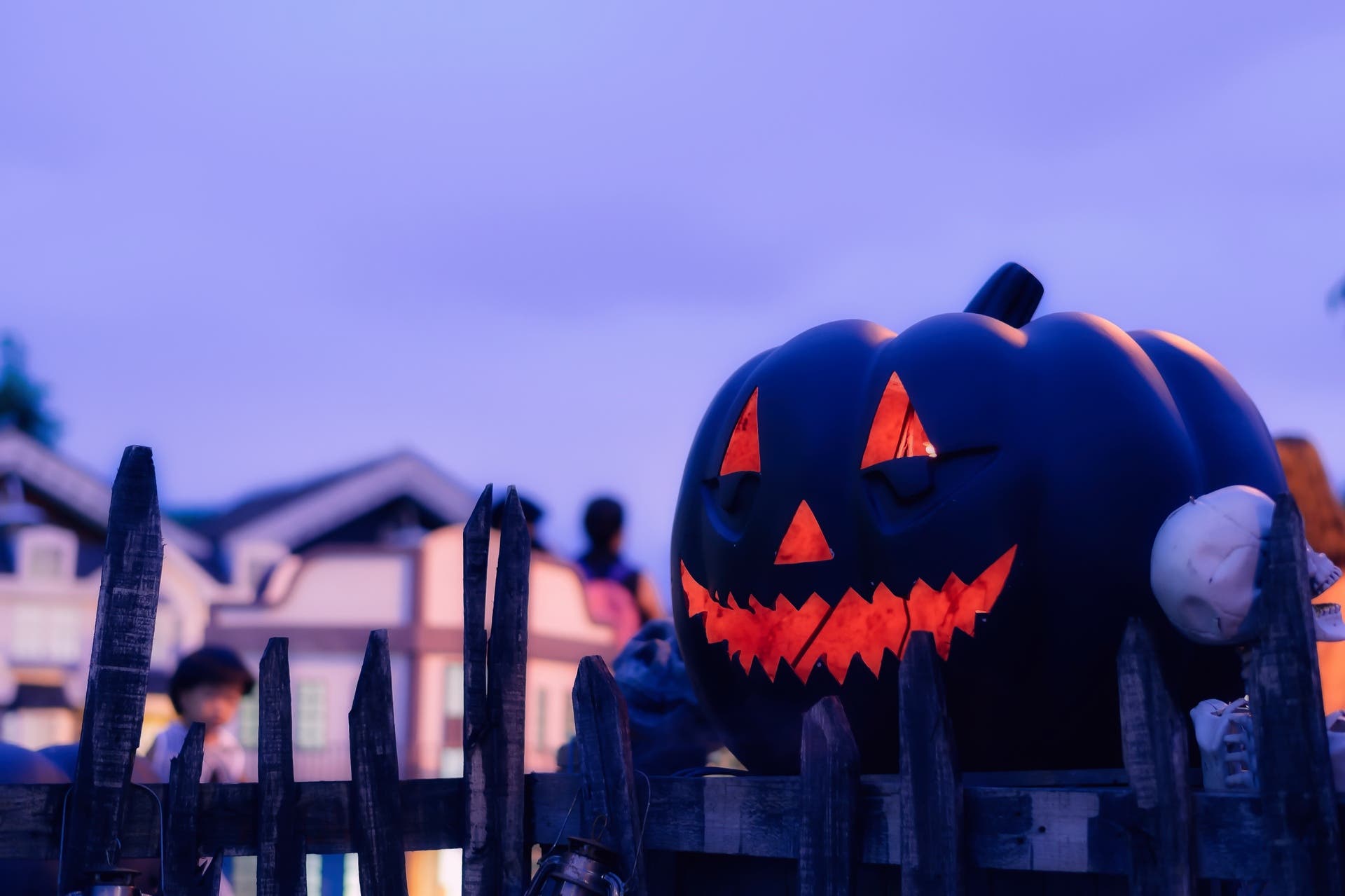
(photo: vecteezy.com)