Weather
Huge Glacier Could Make Jersey Shore Uninhabitable In Next Century, Study Says
A huge glacier could become trouble for the Jersey Shore and make sea levels rise 9 feet within next century, a study says.


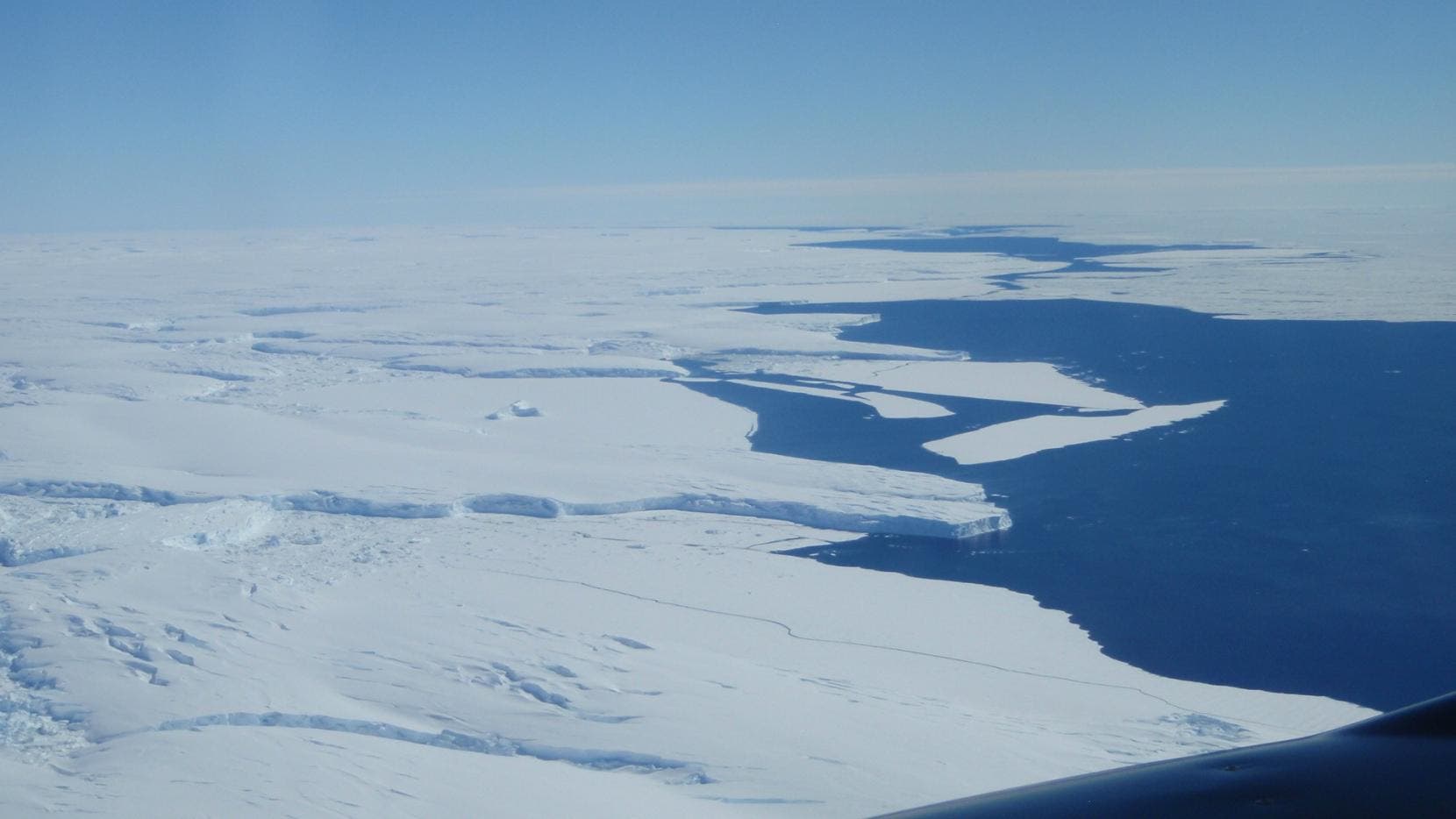
A huge glacier could become trouble for the Jersey Shore if climate change and melting continue on their current pace, a new study warns.
The May study from the scientific journal "Nature" says sea levels could rise as much as 9 feet over the next century because the Totten Glacier in the Antarctic region is melting and "unstable."
The sea rise would potentially flood out low-lying areas along the East Coast and the Jersey Shore, which took its heaviest pounding during Superstorm Sandy in 2012.
Find out what's happening in Berkeleyfor free with the latest updates from Patch.
A March study published in Nature has also said rising sea levels could force New Jersey residents from their homes, particularly those those living on barrier islands such as Long Beach Island.
Totten Glacier is the most rapidly thinning glacier in East Antarctica, and this study raises concerns that a repeat transition between stable and unstable states could be underway as the climate warms, according to a University of Texas release.
Find out what's happening in Berkeleyfor free with the latest updates from Patch.
An international consortium led by The University of Texas at Austin’s Institute for Geophysics (UTIG), a unit at the university’s Jackson School of Geosciences, led the research and data collection for the study.
Totten Glacier is East Antarctica’s largest outlet of ice and a key region for understanding the large-scale and long-term vulnerabilities of the Antarctic Ice Sheet. Until now, knowledge of the region's glacial history has been very limited.
While other studies have indicated that this region of the ice sheet may have retreated in the past, this study reveals direct linkages between the modern Totten Glacier and the eroded landscape currently buried in ice hundreds of kilometers inland, according to the release.
“We now know how the ice sheet evolves over the landscape in East Antarctica and where it is susceptible to rapid retreat, which gives us insight into what is likely to happen in the years ahead,” Donald D. Blankenship, lead principal investigator of International Collaboration for Exploration of the Cryosphere through Aerogeophysical Profiling and a senior research scientist at UTIG, said in the release.
Totten Glacier’s catchment is a collection basin for ice and snow that flows through the glacier.
Totten Glacier’s catchment is covered by nearly 2.5 miles of ice, filling a California-sized sub-ice basin that reaches depths of over one mile below sea level, Blankenship said in the release.
“This study shows that this system could have a large impact on sea level in a short period of time,” he said.
“If this was to happen again, with a warmer climate than today, it could lead to a rapid rise in sea level of over a meter,” Aitken said.
Get more local news delivered straight to your inbox. Sign up for free Patch newsletters and alerts.