Community Corner
Storm Chronicles: Going Up After Superstorm Sandy
What's it like to try and elevate your home? Not fun.

It's been almost three weeks since I reluctantly left my Bayville home to move to a rental, to begin the dreaded elevation process.
I tried to cheer myself up. After all, each day out of my home was one day closer to coming back, right?
I pulled into my driveway today to get the mail. It's a depressing sight. All of the utilities are off. The electric and gas meters have been removed. The mini-sinkhole where the water meter is and the disconnected sewer pipe is getting bigger with each passing week.
Find out what's happening in Berkeleyfor free with the latest updates from Patch.
The weeds are getting higher. The summer - the best time to elevate - is on the wane.
My Sandy story - which I wrote about for over a year after Oct. 29, 2012 in a column called "Storm Chronicles"- described what it was like for many of us who made this journey through the monster storm that decimated Ocean County on Oct. 29, 2012.
Find out what's happening in Berkeleyfor free with the latest updates from Patch.
Now I am writing about what it's like to go through the home elevation process and travel through the state Department of Community Affairs' Reconstruction, Rehabilitation, Elevation and Mitigation program, more fondly known as RREM.
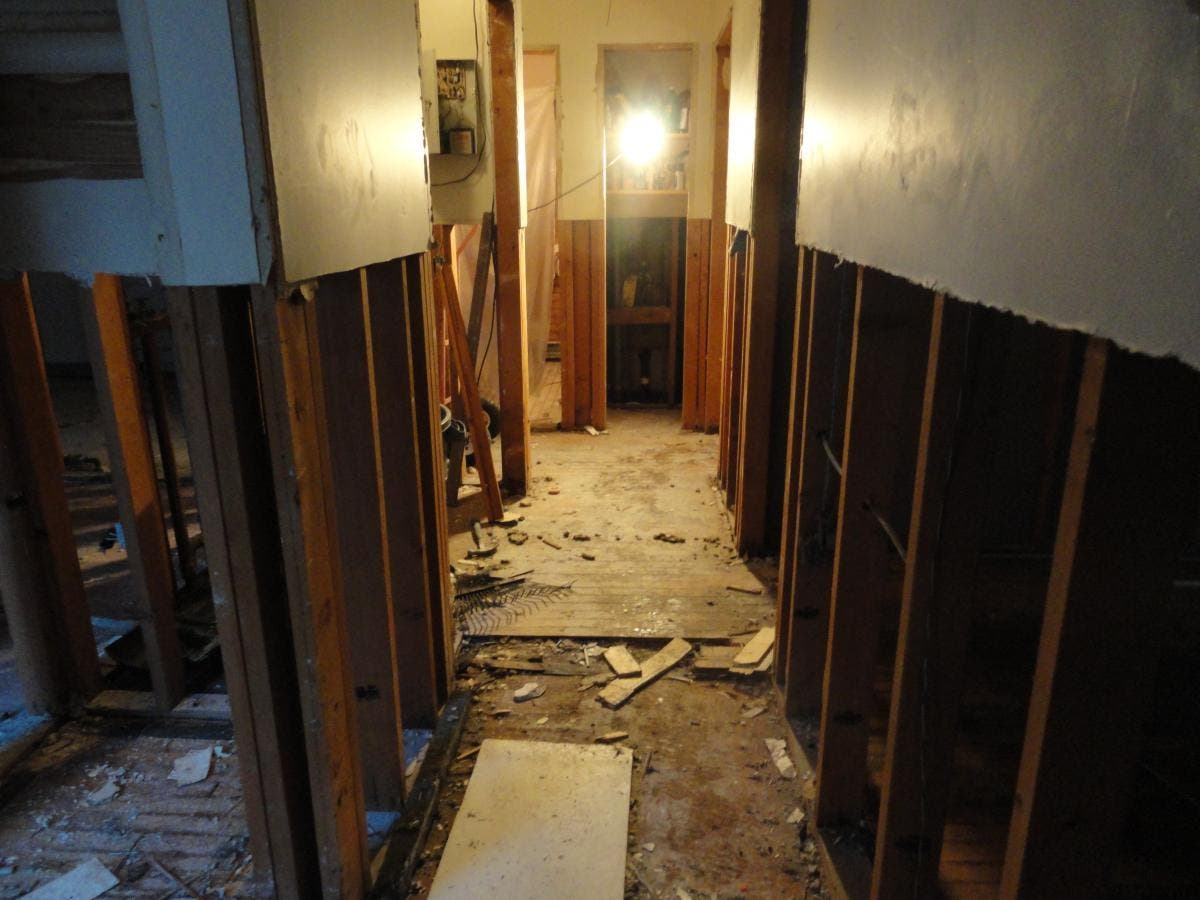
We were fortunate, unlike many after the storm. The insurance money came quickly, in several installments. The interior of the house had to be completely redone - sheetrock walls cut four feet up from the floors. The floors were removed down to the crawl space, plumbing torn out. You name it, it was replaced.
My fiance and I lived in my son and daughter-in-laws' basement for seven months. It was a joyous day when we moved back home.
I knew we had until the end of December 2016 to elevate the house. But Tom got sick, very sick last summer. He died four days after Christmas, of metastatic lung cancer. To say my world turned around would be an understatement.
But I still had to raise the house. This year.
Fortunately I had received the full RREM grant of $150,000. I was lucky, unlike many others, who didn't get the full amount or timely insurance payments.
So I hired a lifting company earlier this year with a good reputation and an experienced general contractor. I've given them both partial payments.
I was told by a number of people that the best time to lift a house was in the summer, believe it or not, because elevation companies are not as busy in the summer. People with waterfront homes want to enjoy the summer and put off the big work until the cooler weather.
So you submit your plans, make arrangements to cut off utilities, find another place to live and figure out how to pay for it. That's assuming you managed to wind your way through the massive amounts of RREM paperwork required to get the grant. Some have compared it to a second job and they are right.
Utility shutoffs sound easy, right? Nope.
You can't live in your house without utilities while you wait for your permits to be approved. Utility companies must be notified and shutoff dates arranged. But they don't come out the next day. It can be weeks before they show up. So stretching out the days you can remain in your home is a crapshoot.
"They could come on the shutoff date," one utility company employee told me. "Or they could come 15 days from the shutoff. If they drive by and it looks like someone's home, they will just drive by. Then you'll have to reschedule."
Don't forget the letters of intent - notification from utility companies that they are off. Then you wait for the township to act on the paperwork your general contractor has submitted.
I moved out on July 21, hoping I would be back before the leaves turned. That timetable is looking less likely with each passing day.
My general contractor's wife - who runs the paperwork side of the business - called me in July to tell me she hadn't been able to get ahold of the township zoning officer for almost two weeks. She had submitted plans in late June and needed an answer.
She didn't get one. Turns out the zoning officer had denied the plan on July 1, then gone on vacation for 12 days, without getting back to us. The delay was infuriating. I also lost a $100 deposit from the moving company, because I had to cancel at the last minute. The movers were 30 minutes from my home when I found out about the denial.
So that mess got straightened out fairly quickly. Apologies were made. Let's move on, even though it set the return home back 12 days.
Tuesday night I'm going through my e-mails and see one from the township flood mitigation officer.
The subject line in the letter says "Flood Plain Development Permit Application - REJECTED."
"The construction permit application will not be approved prior to the submission of the required documents," it states.
It said the ductwork in my home must be elevated above the Design Flood Elevation. The air conditioning condenser must also be elevated and details provided.
But there is no ductwork in the house. It's a small three-bedroom ranch with hot water baseboard heating. There is no central air conditioning because there are no ducts.
To make things worse, the flood mitigation officer says he reviewed the plans on June 15. The rejection letter is dated August 9, almost two months later. Township Administrator John Camera said today the June 15 date was a clerical error.
The permit was rejected, he said, because it didn't have those items listed on the plans.
My engineer and contractor don't know what to make of this. Neither do I. No wonder some people just walk away.
Story by Patricia A. Miller
Photo credit: Patricia A. Miller
Get more local news delivered straight to your inbox. Sign up for free Patch newsletters and alerts.