Business & Tech
JCP&L Planning To Move More Osprey Nests In 2017, After Brick Birds' Deaths
Four ospreys were electrocuted at one nest, including 2 in two weeks; two osprey nests were successfully moved, the company said.


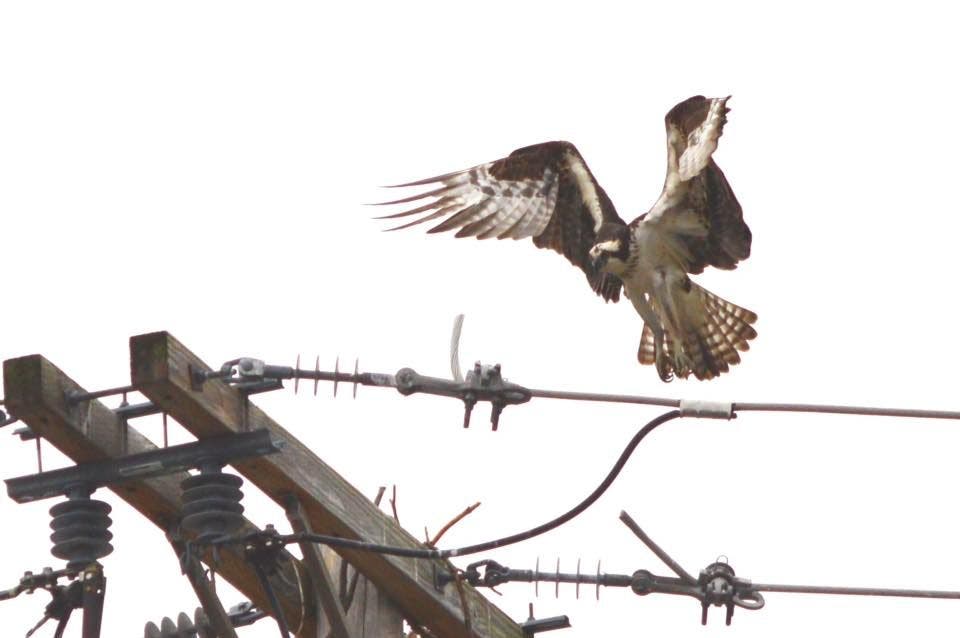
BRICK, NJ — The work is tricky and delicate: moving an osprey nest with eggs from a highly energized utility pole to a safer spot for the birds.
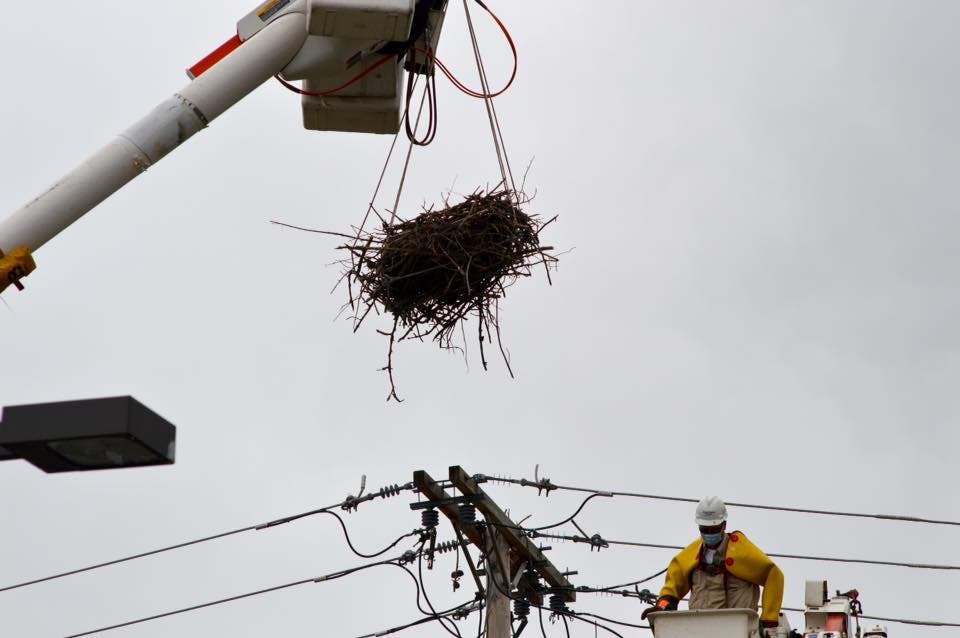
Jersey Central Power & Light crews did it twice in 2016 — moving nests in Brick and in Union Beach — in an attempt to protect both the birds and prevent potential power outages, company officials said.
Those successful moves, and the deaths of four ospreys near an energized utility pole near Beaton's Boatyard in Brick, including two in early 2016, have prompted the company to expand its efforts to relocate osprey nests, ideally before the nests become active, company officials said.
Find out what's happening in Brickfor free with the latest updates from Patch.
"With this expanded initiative, our goal is to move as many nests as possible before birds are injured or it causes a service interruption for customers," said Tony Hurley, JCP&L vice president of operations.
The comprehensive program includes surveying all the locations where ospreys have started nesting, or given indications of future nesting, on JCP&L poles and other equipment. New nesting platform locations will be identified and built that do not pose a hazard due to proximity to electrical equipment, company officials said.
Find out what's happening in Brickfor free with the latest updates from Patch.
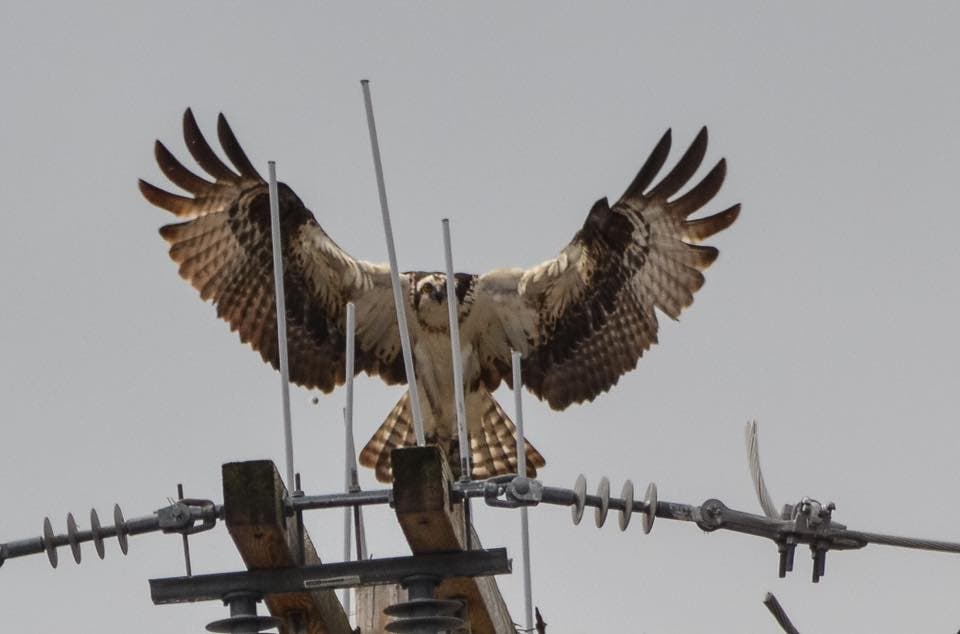
In addition, specialized equipment will be installed to divert and discourage ospreys from nesting in potentially hazardous locations, they said.
That was the process undertaken last June in moving a nest near the Sailors Quay development in Brick, captured by photographer Judy Colagiovanni Tunis, who lives nearby. There were two eggs in the nest, which workers carefully removed while the nest was being transferred, and then replaced when it was settled on the new platform the company built nearby.

"As the osprey population continues to grow, we appreciate the proactive protection work being done by JCP&L," said Ben Wurst, habitat program manager with the Conserve Wildlife Foundation of New Jersey. "To an osprey, a utility pole near the coast seems like an ideal spot to perch or build a nest, but it could jeopardize their health. This comprehensive JCP&L program will help ospreys coexist with the demands of our modern society."
Last April, JCP&L had to make repairs to the pole near Beaton's after employees of the boatyard found two dead ospreys in less than two weeks, according to an Asbury Park Press report. The nest that was moved near Sailors Quay nearly caught fire after the osprey's nesting materials apparently made contact either with electrical hardware or conductive rainwater on the utility pole, company officials said. That pole was de-energized and electricity rerouted to protect the birds and their eggs until the nest was moved, an APP report said.
The ospreys die when they land on the utility poles and their wings brush the electrical conductors, experts say.
"This program showcases JCP&L's commitment to protecting ospreys and other nesting raptors while also taking steps to help ensure the reliability of our electric system," Hurley said.
Ospreys once were endangered, with just 53 known nesting pairs in 1973. In 2015, there were 534 active osprey nests documented in the state, including 63 around Barnegat Bay, according to the New Jersey Division of Fish and Wildlife. The division's 2015 Osprey Project report for New Jersey said there were 31 new nests documented last year, giving the state roughly 600 nesting pairs. Of nests where they knew the outcome of the nesting, there were 737 young produced; 432 young were banded by volunteers and staff with USGS leg bands for future tracking, the 2015 report said.
The report also noted that Barnegat Bay-area osprey young are receiving a second leg band to help track specifics on the birds nesting in the Barnegat Bay area. Called Project RedBand, the main goal of the project is to engage the public in osprey management and conservation along the Jersey Shore while collecting data based on resightings. As of June 2016, 95 of the red bands have been deployed, the division said, and the project was continuing in 2016.
JCP&L officials said plans are in the works to address more nests in 2017, including:
- Removing nesting materials and placing nesting deterrents on a distribution structure in Brick Township, Ocean County
- Moving nests on distribution structures in Oceanport, Monmouth Beach and Spring Lake Heights in Monmouth County
- Moving a nest on a distribution structure in Bayville, Ocean County
- Moving nests on transmission structures in Ocean Township and Oceanport in Monmouth County.
Photos of the Brick osprey nest move used with permission of Judy Colagiovanni Tunis
Get more local news delivered straight to your inbox. Sign up for free Patch newsletters and alerts.