Health & Fitness
Tim's Journal: Patti Delgado Meets Them Where They're At
Patti Delgado discusses the role of nurses in psychiatric treatment.
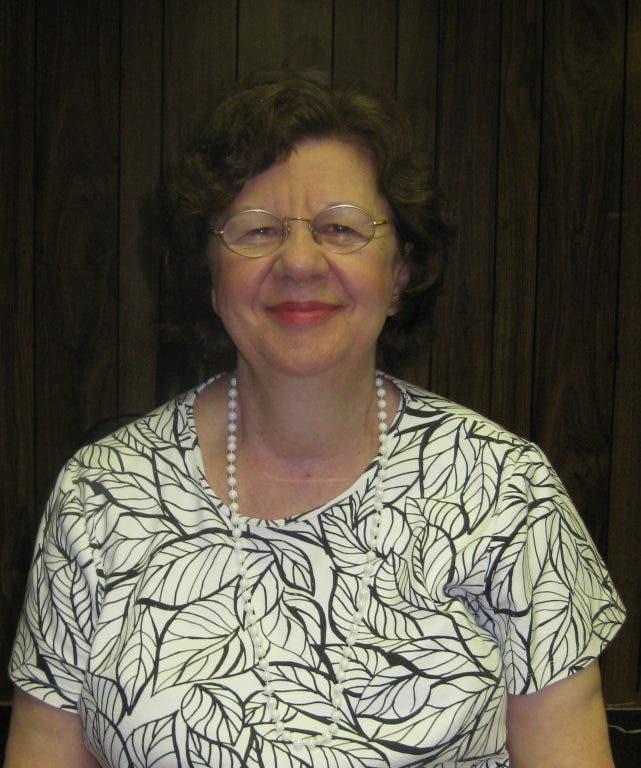
When Patti Delgado was “a little girl” she used to visit her “pop,” the grandfather of one of her cousins, at Trenton Psychiatric Hospital.
He had begun to wander off, “and in those days that was what they did,” send him to a psychiatric hospital, she said.
Find out what's happening in Clark-Garwoodfor free with the latest updates from Patch.
“We would go to visit on Sundays and I remember there was an older women there who had a child-like manner. It bothered me that the staff would talk to her like a child, because she was an adult,” Patti recalls.
Find out what's happening in Clark-Garwoodfor free with the latest updates from Patch.
This stayed in her mind. Years later, when she was doing her rotations in nurses’ training, she found she enjoyed the psychiatric duty. A job opened up, and 33 years later she is still working as a nurse for people with mental illness.
Patti is Nursing Coordinator for Union and Middlesex Counties for SERV Behavioral Health System, an agency that operates group homes and supervised apartments for people with serious mental illness.
Nursing, she finds, is a critical part of the array of services that SERV provides to its residents. She trains the three nurses on her staff in Union County to recognize not only side effects and symptoms, but also medical conditions that often also come into play.
Early intervention can often be the key to preventing hospitalization, she said.
“Many of our residents have other medical conditions we need to address,” she says. She gave the example of a man who was becoming increasingly agitated, but through the intervention of a nurse, it was eventually discovered that the agitation was due to a brain tumor rather than a psychiatric cause.
Patti answers quickly when asked about her biggest challenge: “The System.” It can be difficult to find adequate follow-up medical care for many residents because of insurance issues, she said. “We have to advocate for them not to get lost in the system.”
A cancer survivor, Patti goes out of her way to counsel residents faced with difficult decisions about treatment.
She recalls the approach she took with an older African-American resident who had been traumatized about medical treatment after spending years in a psychiatric hospital.
“We were able to find him an African-American doctor about his age, and began by visiting the waiting room. The doctor would greet him every time he called in a new patient,” she said. Taking a gradual approach like that worked, and the man eventually received the treatment he needed.
“It’s all about meeting the patient where he’s at,” Patti said.
In many ways, her job is about education. Educating residents, family and the public about diseases of the brain.
“Mental illness is an equal opportunity disease,” she says. “I try to help the patient understand that they’re a human being that has a right to all the joys and pleasures of life just like anyone else.”