Community Corner
Homelessness In Union County: Nonprofit Talks Challenges, Welcomes New COO
Trust and fatigue are major issues facing those trying to pull themselves out of homelessness, Bridges said.


UNION COUNTY, NJ — As the dangerous cold temperatures continue to ravage the Garden State, the homeless population and others in need are even more at the forefront of Rich Uniacke and Michael Callahan's minds.
While it doesn't take a winter weather warning, or "code blue," to call them into action, Uniacke, President of the nonprofit "Bridges Outreach" for nearly eight years, and Callahan, its new Chief Operating Officer, are also up against the constant threat of being frozen out of funds and other outside factors facing communities in 2026.
Bridges, a leading provider of homelessness services and prevention for Essex, Union, and Somerset Counties, works every day to reduce that friction through street outreach, intensive case management, housing navigation, and housing sustainment support.
Find out what's happening in Cranfordfor free with the latest updates from Patch.
Along with inflation and other economic strains, the organization said that Somerset, Union, and Essex Counties are all seeing more people fall into homelessness for the first time as compared to other years, and many are becoming unsheltered rapidly.
Poverty, rising housing costs, evictions, growing mental health issues, substance use, and medical needs are also contributing to the crisis.
Find out what's happening in Cranfordfor free with the latest updates from Patch.
According to the Goodwill Rescue Mission, an estimated 24,519 men, women, and children are homeless in New Jersey. The number of chronically homeless has risen 21.2 percent in just the last five years.
"There simply isn't enough permanent housing, and what is available is often not affordable," said Uniacke. "There's insufficient access to safe, dignified temporary placements, including shelters. When you combine those gaps with fragmented systems, households are forced to navigate a convoluted ecosystem of providers, applications, and requirements at a moment when they're already in crisis."
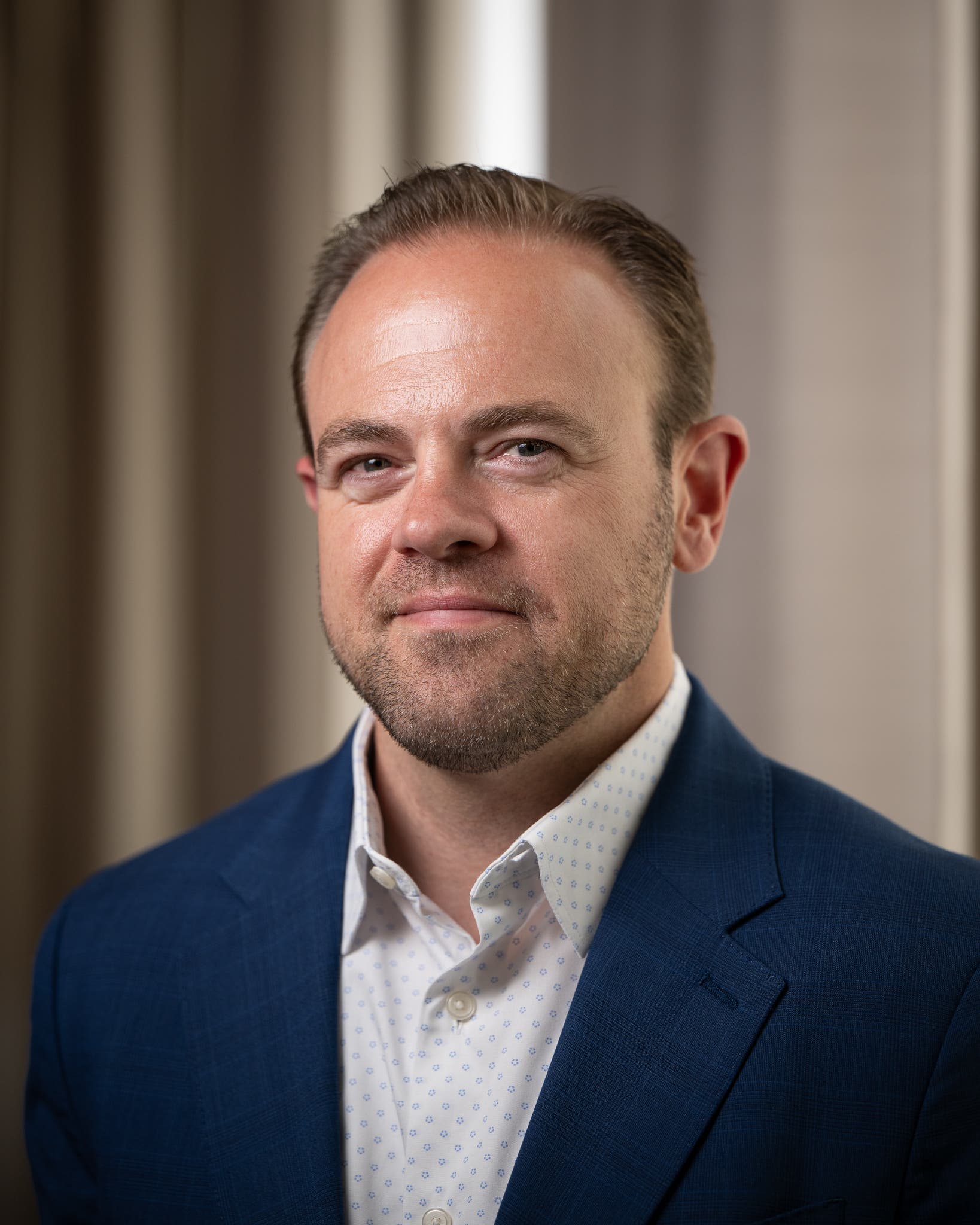
Of the main challenges North Jersey faces in 2026, Uniacke said, "inflow, paired with a need for greater coordination across the homelessness response system," is holding families back.
Callahan, a familiar face from his time as Director of Programs and Impact, will take over as Bridges' new COO on Feb. 17 at a time when the region and state are in a heightened period of question marks.
He returns to the nonprofit after serving as Director of the Office of Homelessness Prevention at the New Jersey Department of Community Affairs (DCA) with a valuable first-hand look at issues from the state's perspective.
"I had a full view," Callahan said, "from policy and funding decisions to how those decisions play out on the street. One of the clearest lessons was that coordination and speed matter just as much as resources."
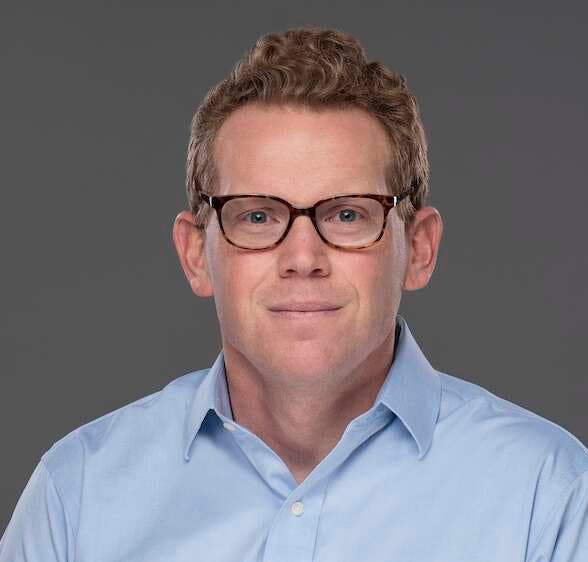
During his time in office, Callahan led initiatives like the "Bringing Veterans Home" program to end veteran and National Guard homelessness, grew street outreach, and championed Medicaid-supported housing integration.
"Michael's return comes at a pivotal moment for homelessness response in New Jersey and nationally," added Uniacke. "His experience translating evidence-based housing strategies into executable systems while navigating increasingly complex federal and state policy environments is exactly what Bridges needs as we scale our impact."
One of the nonprofit's main focuses is bringing people from a state of "crisis to stability," a chain of events that Callahan said he will be looking to enhance right away.
"I'm eager to build on that foundation: strengthening systems, partnerships, and pathways that move people safely and sustainably into housing," he said.
Callahan will oversee Bridges' core operational functions, such as program efficiency, systems and data strategy, cross-agency coordination, and organized scaling.
"I'm bringing that system-wide perspective to Bridges with a focus on collaboration across providers and reducing bottlenecks," he added, "...using data to support accountability and learning, not bureaucracy."
Bridges is going into 2026 supporting the growing awareness that relying on emergency responses alone isn't sustainable, citing long-term progress as a result of better coordination efforts, stronger prevention, and more access to both permanent housing and safe, dignified temporary options.
When talking to the homeless population, Uniacke said the most common theme is fatigue.
"People are worn down by systems that are hard to navigate...many also talk about fear of losing stability, fear of unsafe environments, and fear that help will not last," he added.
To learn how you can get involved, additional information is available on the Bridges Outreach website.
MORE FROM PATCH: Community Rallies Around Girl Battling Cancer In Cranford
HAVE A STORY IDEA OR NEWS TO SHARE? Contact Editor Eddie Callahan at edward.callahan@patch.com to connect with Patch in your area.
Get more local news delivered straight to your inbox. Sign up for free Patch newsletters and alerts.